Category Archives: Deepavali Sweets and Savouries

Poli – a different story!

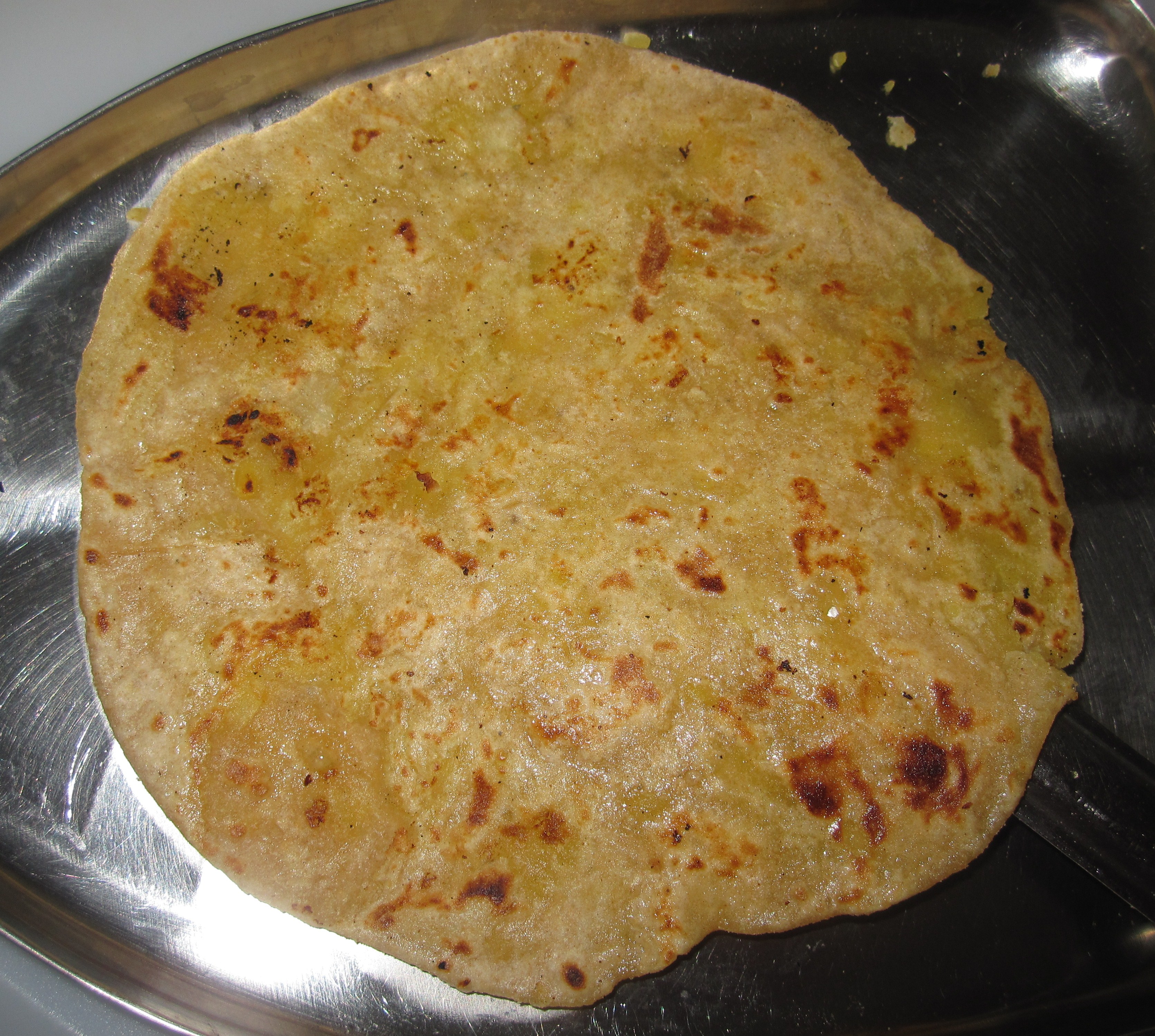
Poli can be called a roti with a sweet filling inside. It is popularly called Puran poli in Maharashtra. The filling inside is called puran and in tamil, puranam. It can be made in various combinations – paasi paruppu/split green gram and white sugar stuffed poli, kadalai paruppu/Bengal gram and white sugar poli or coconut-jaggery stuffed poli are a few.

My grandma – aachi is an expert in making polis. Since the time I understood the speciality of grandma’s cooking, quite young though, I have seen aachi prepare poli with the same passion and energy, as I saw her prepare for me and my husband a couple of months ago. It was never prepared in small quantities.. Only in fifties or hundreds and stored or specially made for other close relatives.

This aachi is my father’s mother and my mother’s father used to like poli a lot. (Her nei urundais are even more popular https://dosaikal.com/2011/08/02/paasi-paruppu-nei-urundai-yellow-lentil-sweet-balls/). So, she used to make it for him whenever we were traveling to see my maternal grandparents. This act of a sambandhi to another sambandhi was really touching for me as a youngster. This was only a relationship by marriage but the affection between both the parents is something that I cherish even today, and always feel lucky to be born in such a loving and caring family. (Sambandhi – sambdhan in hindi – is one’s son-in-law/daughter-in-law’s father/mother. I am not skillful enough to explain in English.)

Annaachi (brother) and Madhini (sis-in-law) as she would address them (Sambandhi) and other chithis and mamas (aunts and uncles) living in the big family of my mother would just love it (of course polis and the affection behind it)! Such was the warmth and love exchanged between those relatives by marriage…

Now, moving on to Poli..

When one wants to share many things and many more exotic things with friends around the world, surely there tends to be some over- enthusiasm and quite often over confidence too. That is the story of this Poli. I made this Poli with such enthusiasm and confidence, mind and heart filled with many old memories of aachi and poli. I completed it noting down details of the recipe with some photos too and felt quite happy of the result though not as perfect as aachi’s.

I spoke to amma, proudly told about the polis that I had made by myself and that the aroma was the same as those had in Chennai. She was happy too – just that she informed me aachi’s polis were made of kadalai paruppu/Bengal gram. I wouldn’t say I felt bad, I felt really very bad….that particular feeling is unexplainable – it was something more than embarassement and disappointment – my husband with a broad smile and daughter inquisitive to know what my reaction meant. But amma said, paasi paruppu poli would also be good – it is also healthy! I felt better.

I also read in Wikipedia that ‘Sometimes toor dal is used in Gujarat. In other places, even moong dal is used, even a mix of different lentils is used in some recipes’ (http://en.wikipedia.org/wiki/Puran_Poli). I felt even better.

Then that’s okay.. some blunders can also be wonders. The poli actually came out well – kind of flawless – just different in the lentil stuffed inside. Poli has all purpose flour as roti base. I thought I could substitute maida with atta/wheat flour. It didn’t make much difference – rather, without any guilt of having an empty calorie base, I was satisfied in the fibre rich base.

Paasi Paruppu Poli/Split green gram Poli

Ingredients (makes approximately 15 polis – might differ with the size of poli and quantity of pooranam)

  • paasi paruppu/split green gram/moong dal – 1 cup
  • sugar – 1 cup
  • cardamom powder – 1/2 tsp
  • dry ginger powder – ¼ tsp
  • wheat flour – 2 cups
  • ghee – as needed
  • rice flour – 1 tsp


Method of Preparation

Pooranam/filling

  1. Wash and pressure cook paasi paruppu/dal with just enough water till done
  2. In a heavy bottomed vessel, take cooked dal and sugar with cardamom powder and dry ginger powder
  3. Cook well till the mixture thickens and can be made into a ball
  4. Keep aside.


Roti base

Knead wheat flour with water and little oil into a fine dough to make rotis


Making Poli

1. Take a small portion of kneaded flour and roll it to a thin flat bread

2. Place a small portion of pooranam/filling
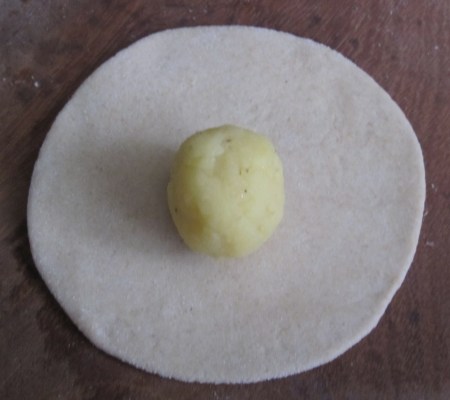
3. Fold in two positions as in picture

4. Fold the other two corners as in picture
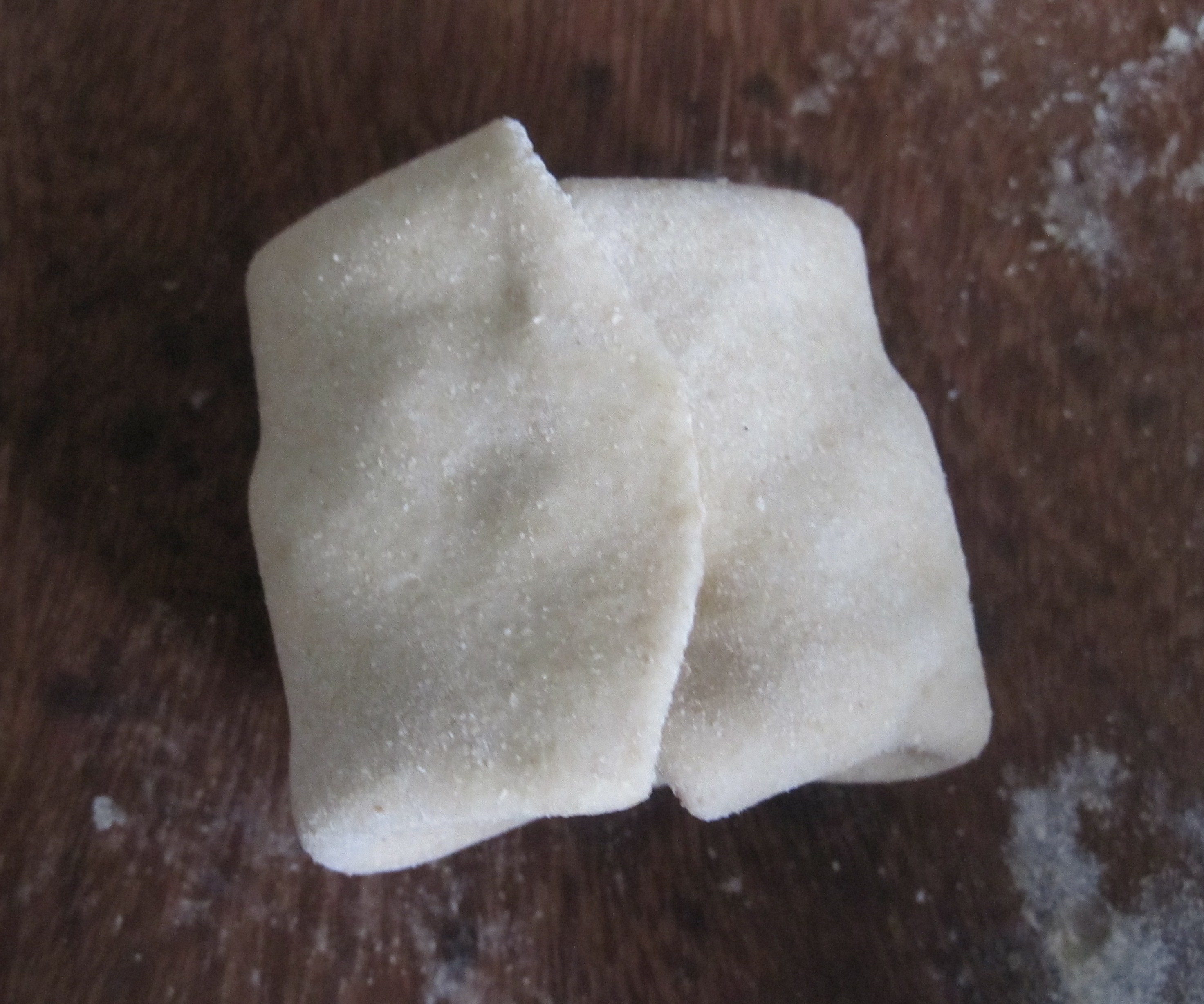
5. Make a ball carefully and take out the extra flour – this helps in even distribution of filling

6. Roll into even flat breads by sprinkling rice flour

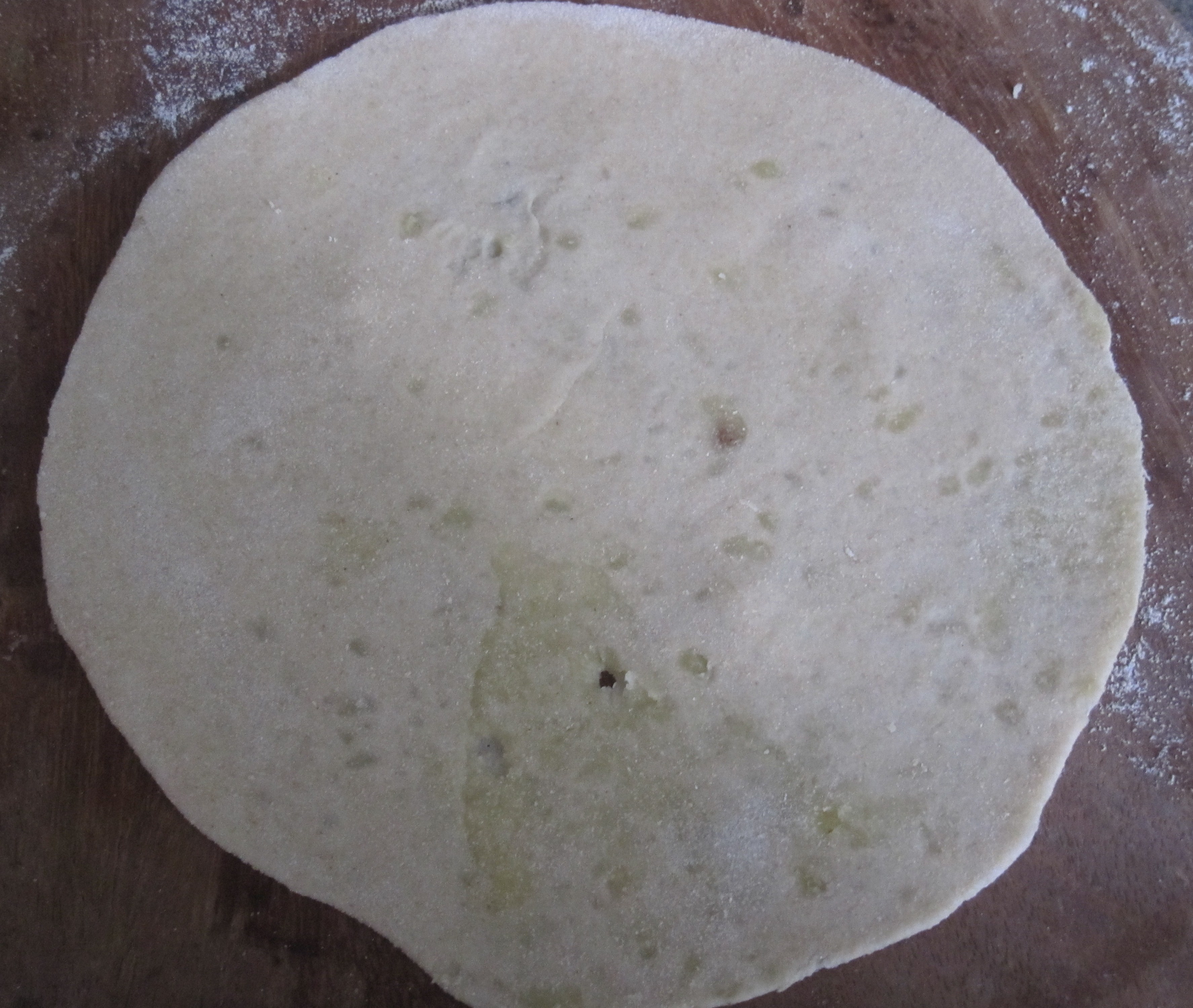
 

7. Heat a tawa/griddle and place the rolled poli
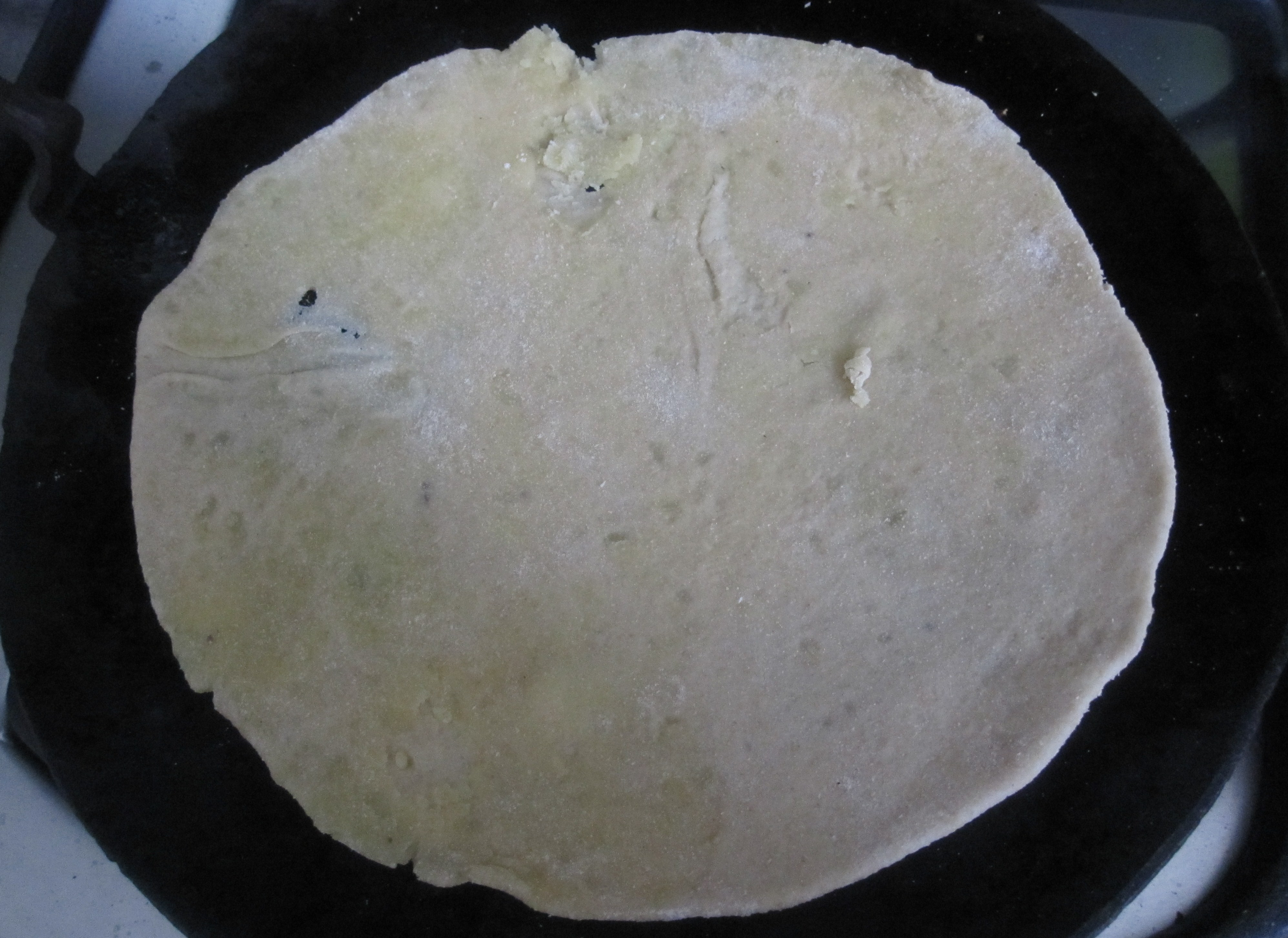
8. Let it cook on one side and then turn it to the other side

9. Apply generous amount of ghee for better polis or just as needed

10. Always apply ghee to the cooked side

11. Turn it again. Apply ghee on the other side too

12. Do not turn poli many times or else it might get burnt or become extra crispy

13. Serve hot and store the rest after cooling them well

14. Serve it hot with a spread of ghee every time.


Note:

  1. Generally polis made with the filling of lentil and white sugar can be stored even for 10 days.
  2. Original channa dal poli will be posted shortly.
 

Deepavali – the sweets and savouries story!


India and the festive spirit

India is rightly called the land of festivals. Its multi ethnical, multi lingual, multi cultural population and the vast geographical territory are some of the reasons for its festivities and celebrations that knows no boundaries.

All the festivals are celebrated with so much vigor and colour. And the energy with which the people rejoice and glorify each event is a splendid sight. Till today these festivals are celebrated by each household with the same spirit not only because of the sheer joy and happiness involved, but mainly because of those people who want to take forward these unique traditional customs to the next generation.

With each celebration, when it comes to the customs and rituals involved, there are so many questions asked and probed by the younger ones and answers explained by the older ones. But when the younger ones become older, the same spirit of celebration with customs and rituals comes active again with some or many changes in life style. Deepavali is one such celebration. It is celebrated in many parts of India in different ways.


Deepam and Tamilnadu

I am unable to track the origin of Deepavali in Tamilnadu. If anyone has any kind of detail regarding this, please do communicate. In Tamilnadu, karthigai deepam is called the festival of lights. Karthigai Deepam is celebrated in the tamil month of karthigai which falls in November-December.

‘Karthigai Deepam’ is one of the oldest festivals celebrated by the Tamil people. One of the earliest references to the festival is found in Ahananuru, which dates back to the Sangam period (200 B.C. to 300 A.D.) The Ahananuru clearly states that Kaarthigai is celebrated on the full moon day of the Tamil month of Karthigai and mentioned that it was the primary festival of the ancient Tamils. Avaiyyar, the renowned poetess of Sangam age portrayed the festival in her songs………… Unlike many other Hindu festivals, Karthigai Deepam is basically a Tamil festival and is virtually not known in other parts of India’(http://tamilnadu.com/tamilnadu/main/common/tamilnadufestival.jsp?festival=Karthigai%20Deepam).

Tolkappiyam, The earliest tamil grammatical treatise, the dating of which has been debated among various scholars also mentions about deepam –

‘Evidence from Tamil literature proves that this festival is one of the oldest in the state. In ancient Tamil literature, the oldest available work Tolkappiyam gives in concise verse form rules for Tamil grammar as well as other topics. Scholars agree that this work dates back to 2,000 or 2,500 BC. In one of the formulae Tolkapiyar in his treatise uses the phrase “like the lamp’s flame pointing upwards.” This phrase, says one of the commentators, refers to the beacon lit on the Annamalai Hill, which burns brightly without flickering in the wind, and flares up towards the sky’ (http://www.kerala-tourism.net/tamilnadu/tamilnadu-fair-festivals.html).

According to Wikipedia, ‘Some scholars prefer to date it not as a single entity but in parts or layers which are estimated as written between the third century BCE and the fifth century CE’ (http://en.wikipedia.org/wiki/Date_of_the_Tolkappiyam).

We shall talk about karthikai deepam after Deepavali celebrations.


Deepavali and Tamilnadu

Karthigai Deepam can be called the traditional deepam festival of the Tamils. Though Pongal, Tamil Puthaandu (New Year) and Karthigai Deepam are the major tamil festivals, Deepavali has a special place.

In so many years now, Deepavali has also taken its place among the major festivals. Deepavali is a culmination of the two Sanskrit words Deepam and Avali. Deepam means light and avali means a row. The display of the row of lamps at home and crackers throughout the day and few days before and after is a fascinating sight. It is regarded as the celebration of the victory of good over evil.

It is celebrated as the victory of Lord Krishna over the demon Narakashura. It is marked by new dresses, sweets and savouries distributed to friends and relatives and bursting fire crackers.

After marriage, the first Deepavali of the newly married couple is called ‘Thalai Deepavali’ and is celebrated with extra pomp and pride. If one is married in December, then Deepavali in somewhere October or November the next year is the Thalai Deepavali for the couple though they might not fall under the ‘newly married’ category!


The Deepavali Day

The day starts very early with an oil bath – applying gingelly oil on hair and shampooing with shikakai – the traditional shampoo powder made of herbs. Then the new dresses purchased would be kept in front of God and the auspicious turmeric powder would be kept like a dot in an unknown corner and the dresses transferred to each member of the house.

After dresses, comes food – special deepavali pujai snacks are prepared fresh in the morning (athirasam, appam and a few more). Morning pujai with all the sweets and savouries made – kids eyes closed and hands put together in vanakkam position (greeting the tamil way), but mind wandering on which sweet or snack to taste first!

Then comes tasting – that seems to be beyond words.. After tasting and having breakfast, comes distribution of sweets and savouries to neighbourhood and friends and family. This is mainly the task of the girls of the house. Some of the houses we go and some guests come home to deliver. It is basically exchange of goodies and good wishes – and we greet each other – ‘Deepavali Vaazhthukkal!’

Deepavali would be incomplete without crackers.. Irrespective of the age, there is a cracker or firework for all.


Deepavali and dosaikal

I thought of starting this as a Deepavali Sweets and Savouries special series! In most of the houses, preparation for Deepavali in terms of sweets and savouries starts about two or three days before. Apart from the fresh sweets made for the pujai or worship on the special day, there are a lot more sweets which have to be made before hand and these can be stored for weeks, and especially savouries for even months. After distributing to friends and relatives, it would be a daily evening snack or throughout the day snack and would be ultimately over within days is another different issue.

My memory goes many years behind, where the grinding of kadalai maavu/bengal gram flour for kara sevu, arisi maavu and ulundha maavu/rice flour and urad flour for murukkus, paasi paruppu maavu/yellow lentil flour for nei urundai, plain arisi maavu for athirasam would start nearly four days before Deepavali. The dining area would be filled with thookuchattis (tall vessel with handle to store flours and snacks later) with different flours in them. The aroma of the snacks would start spreading the house two days before Deepavali. I would be sitting on the floor with aachi and amma, watching them make Pathirpeni (deep fried flat cakes covered in powdered sugar), Poli (channa dal-sugar mixture filled flat cakes), Gulab Jamun (deep fried sweet dumplings in sugar syrup) – to mention a few of the sweets and different kinds of murukkus, thattais and mixtures – some of the savouries. That is how I learnt to make the very special kai-murukku.

When I was thinking of explaining Murukku, I just visited Wikipedia and got a beautiful definition. Murukku is made out of a combination of rice and urad flour. ‘The mixture is made into a batter, mechanically extruded, formed into a spiral or coil, and fried to a crisp. Murukku can also be rolled into a flat ribbon (ribbon murukku) or shaped by hand (kai murukku). Kai suthu murukku (Hand spun) is prepared by getting a string of dough and twisting it while winding it into a ring. This process is very hard, requires patience and is highly technical work.’

This is the speciality of kai murukku. Though I have half forgotten the art of kai murukku, learnt from aachi (my paternal grandmother), the next sentence in Wikipedia definition made me think of practicing it again seriously – ‘This profession is in high demand and is paid very well’ (http://en.wikipedia.org/wiki/Chakli)!

Any festival or celebration comes with a teaching note.. Deepavali I think in our households has taught us patience and self resistence. The sweets and savouries prepared and ready but lids closed, would not be allowed to be tasted till pujai on the day of Deepavali. The aroma of the sweets and murukkus spread over the whole house and the whole locality (each house’s speciality), everyone waits eagerly and patiently for the first bite – allowed only after it is displayed in front of the Gods and tasted by them!

Nowadays, with both members of the family working, and less time to spend in kitchen, youngsters becoming more conscious of the fat content, children of many families working or settled abroad and eventually lonely parents, buying sweets and savouries – both traditional and modern(?!) from sweet shops has become common. Distribution among friends is still a living element – thankfully. Though some important sweets for pujai are made at home.

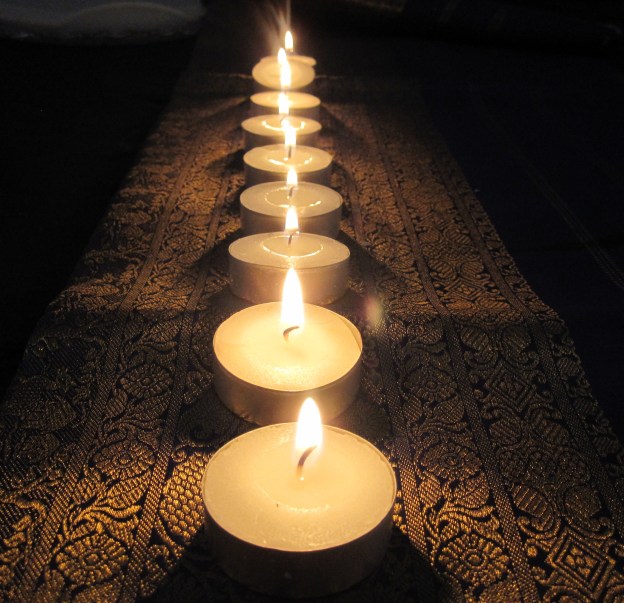
deepams arranged on traditional kolam


Why Deepavali series so early?

I know this is going to be a great learning experience for me – trying to make those mouth watering sweets and savouries – some for the first time! That is why I thought, if I could start a little early, might be I could make more goodies in a relaxed way – experimenting stress free.. I would also be happy to learn new recipes from any of you – my friends!

So let us celebrate Deepavali together!! This year Deepavali falls on October 26th (2011).