Author Archives: dosaikal

Unknown's avatar

About dosaikal

A simple person who believes strong roots and values build up stronger generations; and good food and good food habits are one of the best gifts that one can give to their off springs.

Tale of five cities – Part II

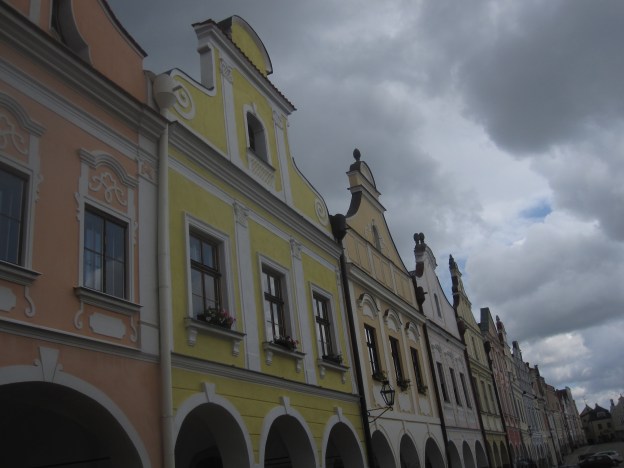
We said a big bye to Prague and moved towards Bratislava. While I was searching the net to find details on Prague and Bratislava, I came across this beautiful place called Telc (pronounced telsh). Mesmerised by the pictures in the website, we decided not to miss this special spot. We were truly wise and lucky this time too!!


The historic centre of Telč was added to the UNESCO list of world cultural heritage in 1992, thanks mainly to the chateau and beautifully preserved town square. Though it’s a colourful, busy place ringed with outdoor cafes and restaurants, the Telč square has essentially kept the same appearance for centuries and is one of the best examples of Renaissance architecture north of the Alps. http://www.myczechrepublic.com/telc/


A place so calm and peaceful – would let one forget the busy – ‘running with the wind’ kind of lifestyle!


regarded most beautiful in the republic
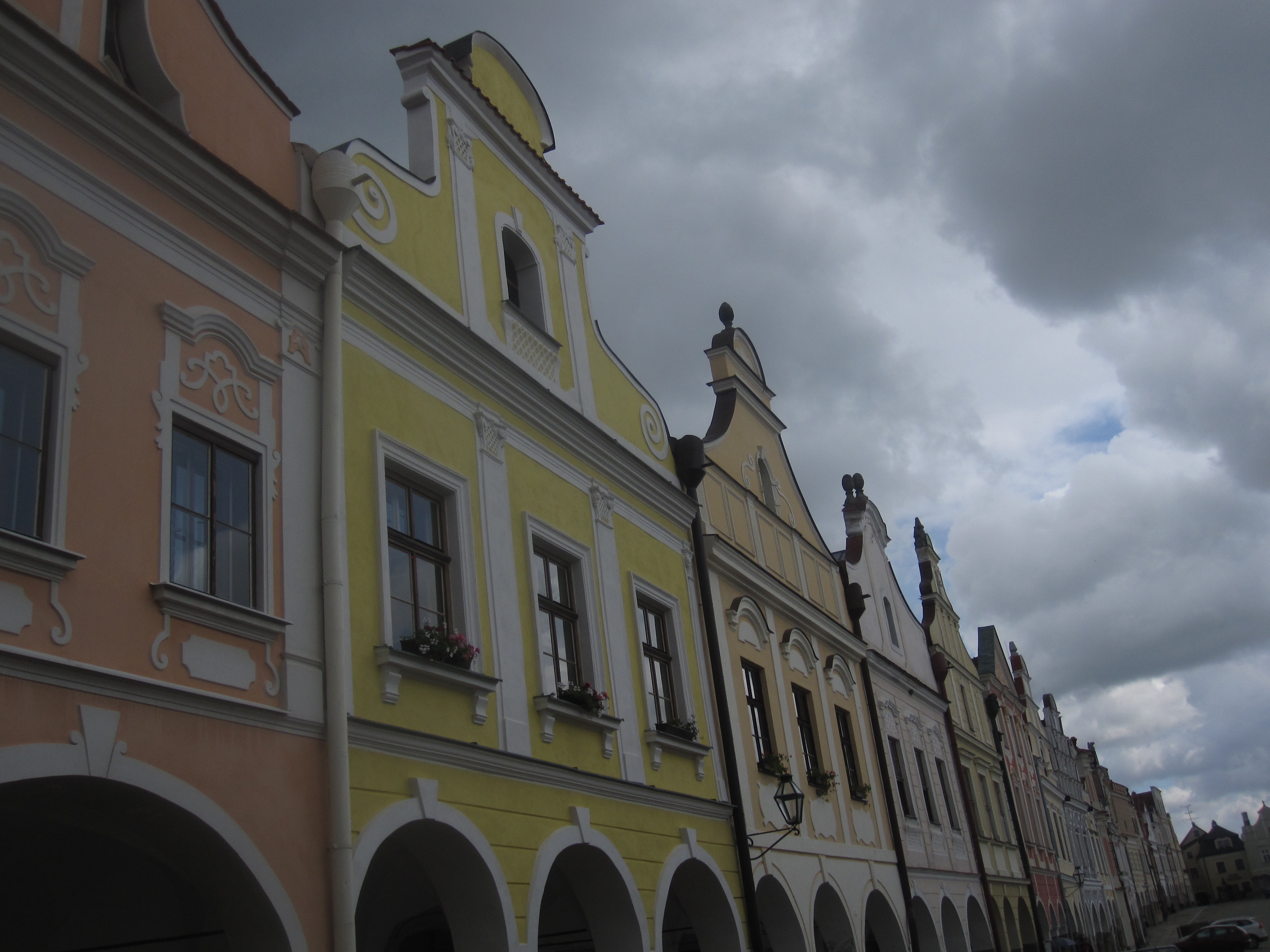
very impressive
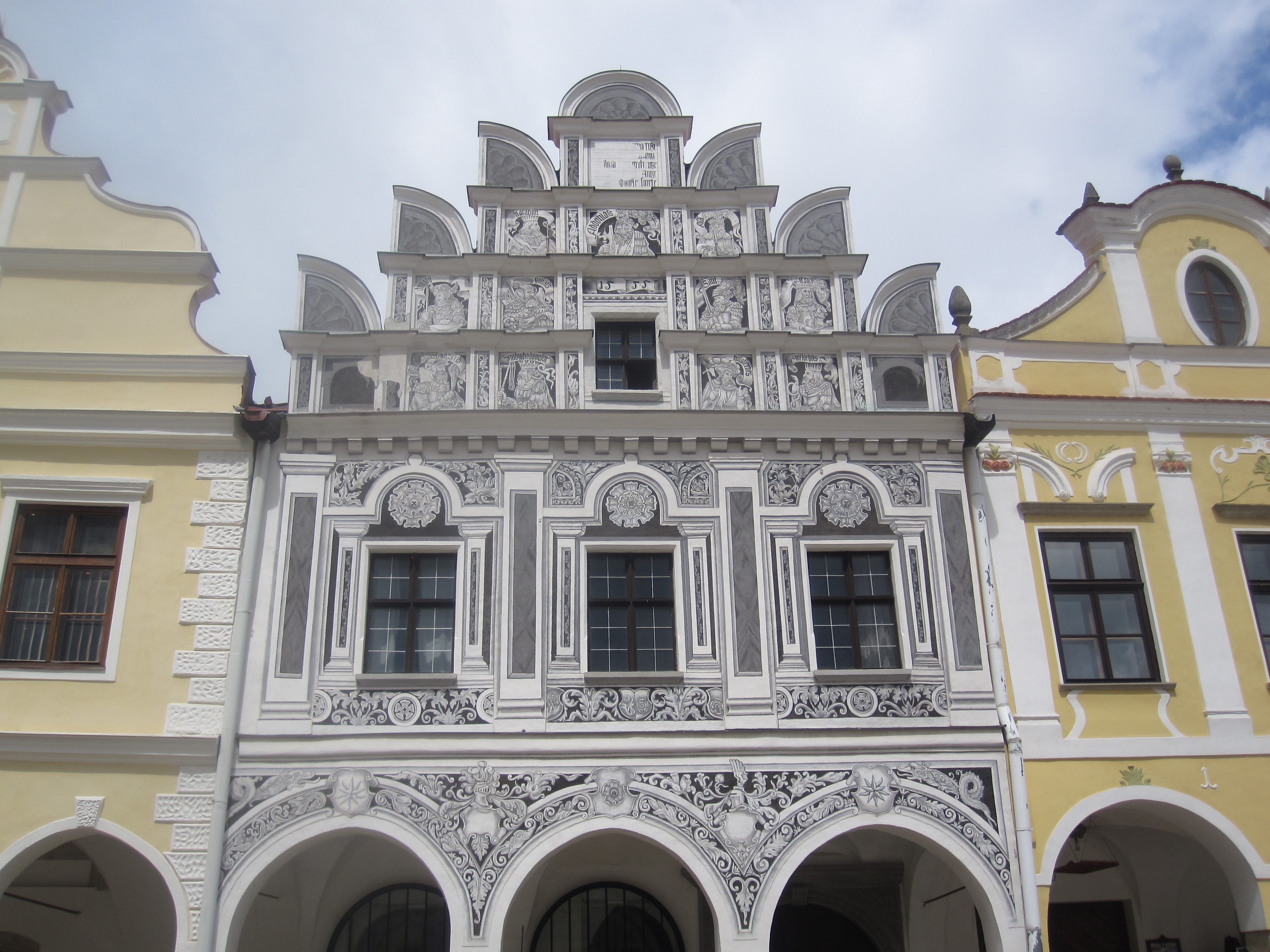
So, if you plan to visit Prague, Telc is a ‘not to miss’ zone, with the State Chateau of Telc and the historic square. You will be mesmerised by its stunning beauty!

Shopping tip: I could also find some classy Bohemian Crystal Vases and many more collector’s items at much lesser cost in Telc than my search in Prague.


BRATISLAVA

Then, we continued our journey towards the capital of Slovakia – Bratislava. It is also called the small big city of Europe – small in size but big in its importance of historical sites.


Known as Pressburg to German-speakers or Pozsony to Hungarian-speakers, Bratislava got its present name only 90 years ago.  But the city has a long and proud history that dates back to pre-Roman times. http://visit.bratislava.sk/en/profil.asp?p1=810

Since we stayed in the old city, all historical attractions were at walkable distance.

After a quick visit to the Information Office, we went to the Primatial Palace – which is the former archbishop’s winter palace.

primatial palace
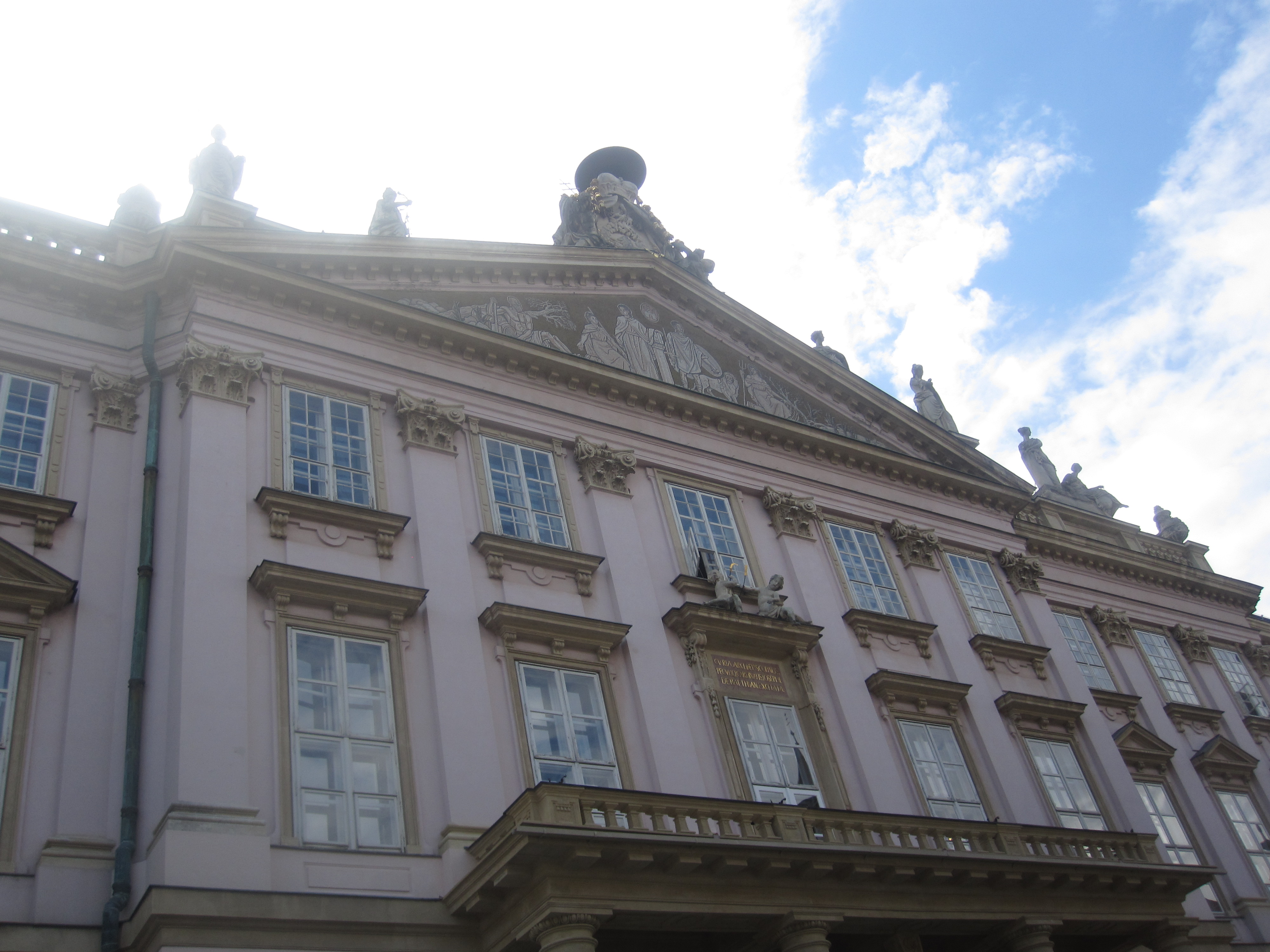
Today, the palace serves as the office of the Mayor.

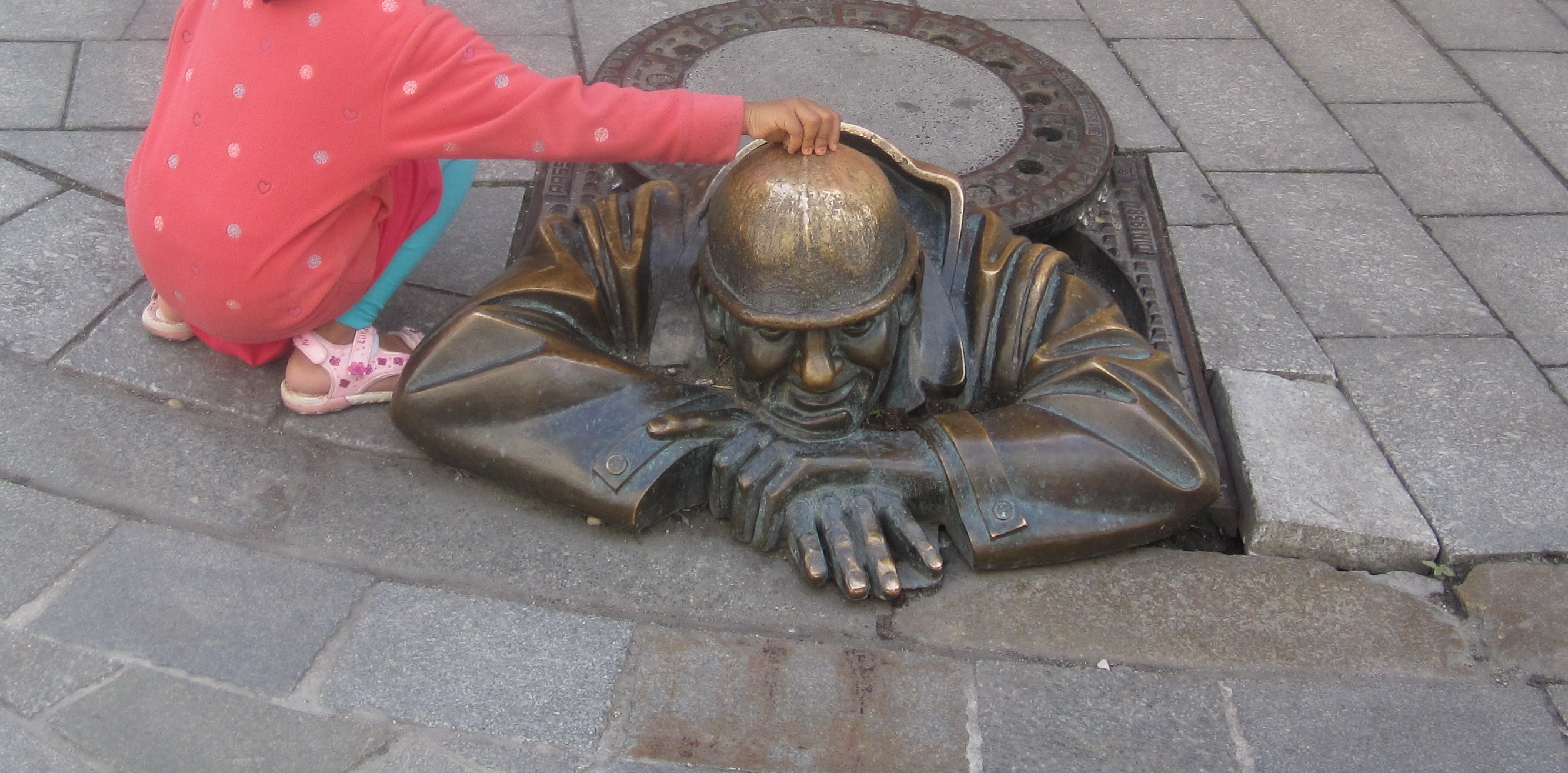
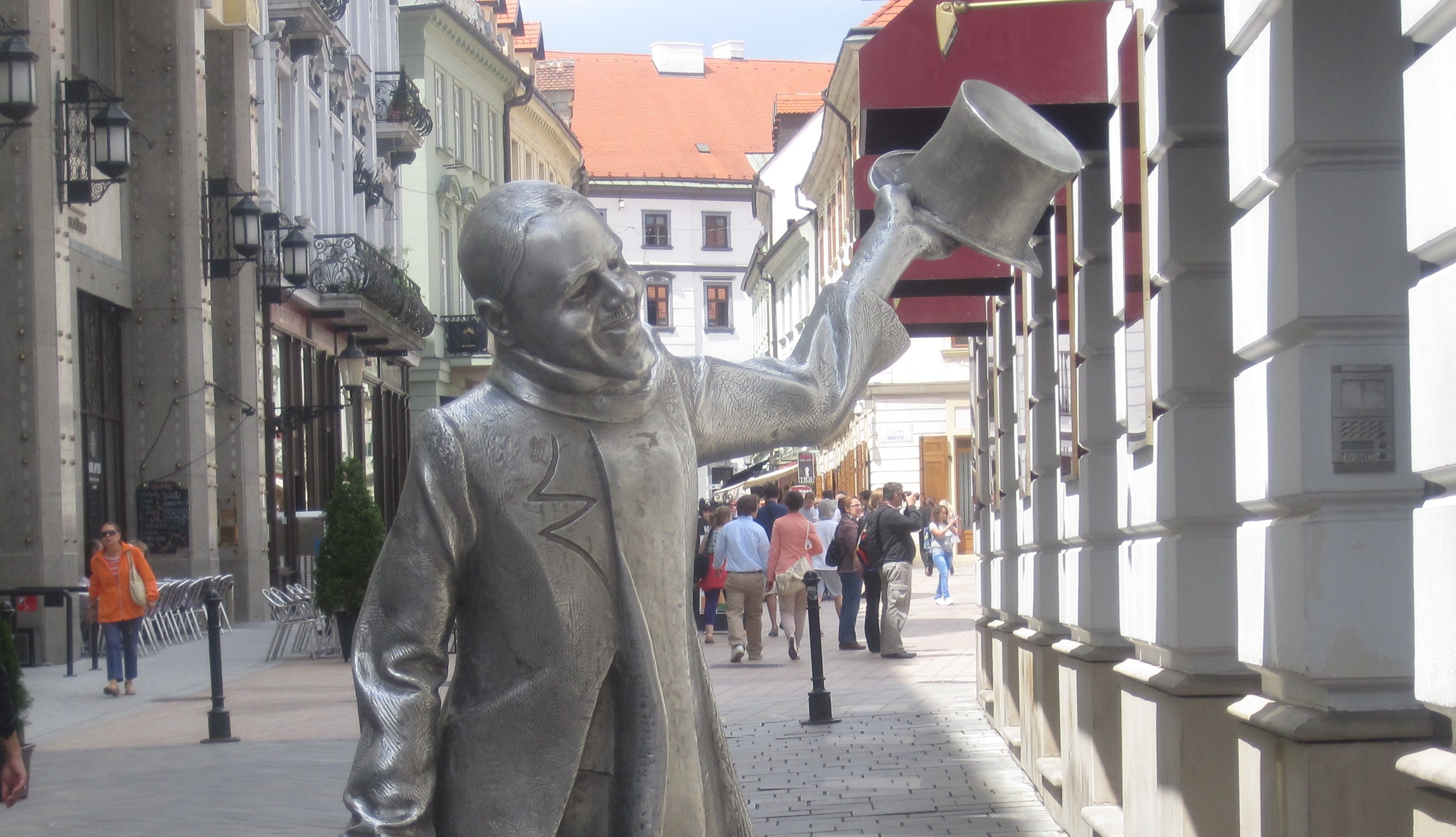
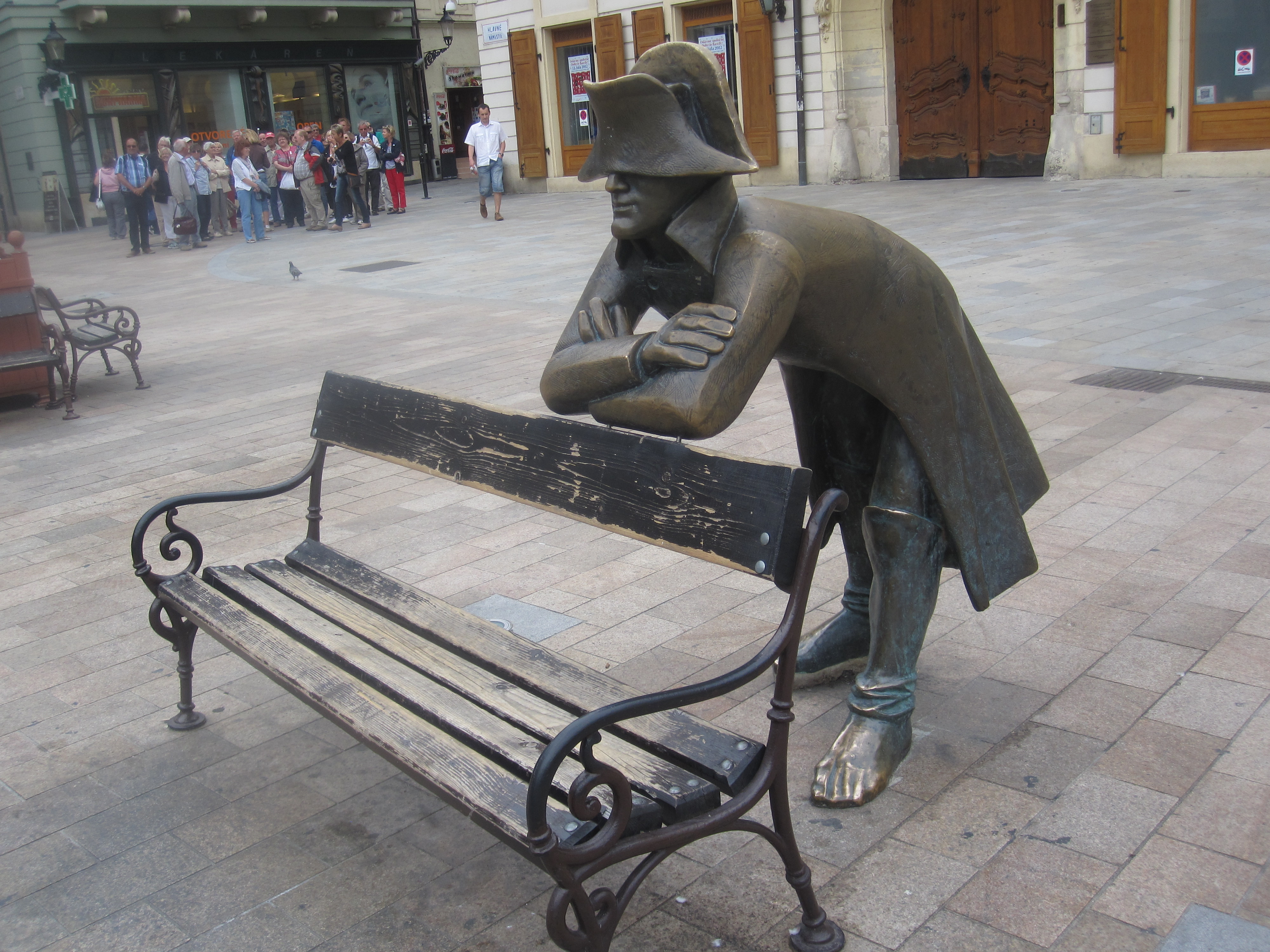
Walking in the old city is really an interesting one, with many surprises – like these-

statue sticking out of a hole
man with a hat
relaxed man in the square
Proceeding towards some serious historic places, on the way towards the Bratislava Castle, stands tall the National Theatre

St. Martin’s Cathedral

St. Martin’s Cathedral is the most sacred building in the town, where there used to be a Roman Church. 11 Hungarian Kings and 8 consorts were crowned in this Gothic Church between 1563 and 1830. The tower of the Church has a huge crown on it.

St. Martin’s Cathedral
and the crown

Bratislava Castle

Bratislava Castle stands above the river Danube. At present, the castle houses expositions of the Slovak National Museum and some of its premises are used by the Slovak Parliament.

Castle
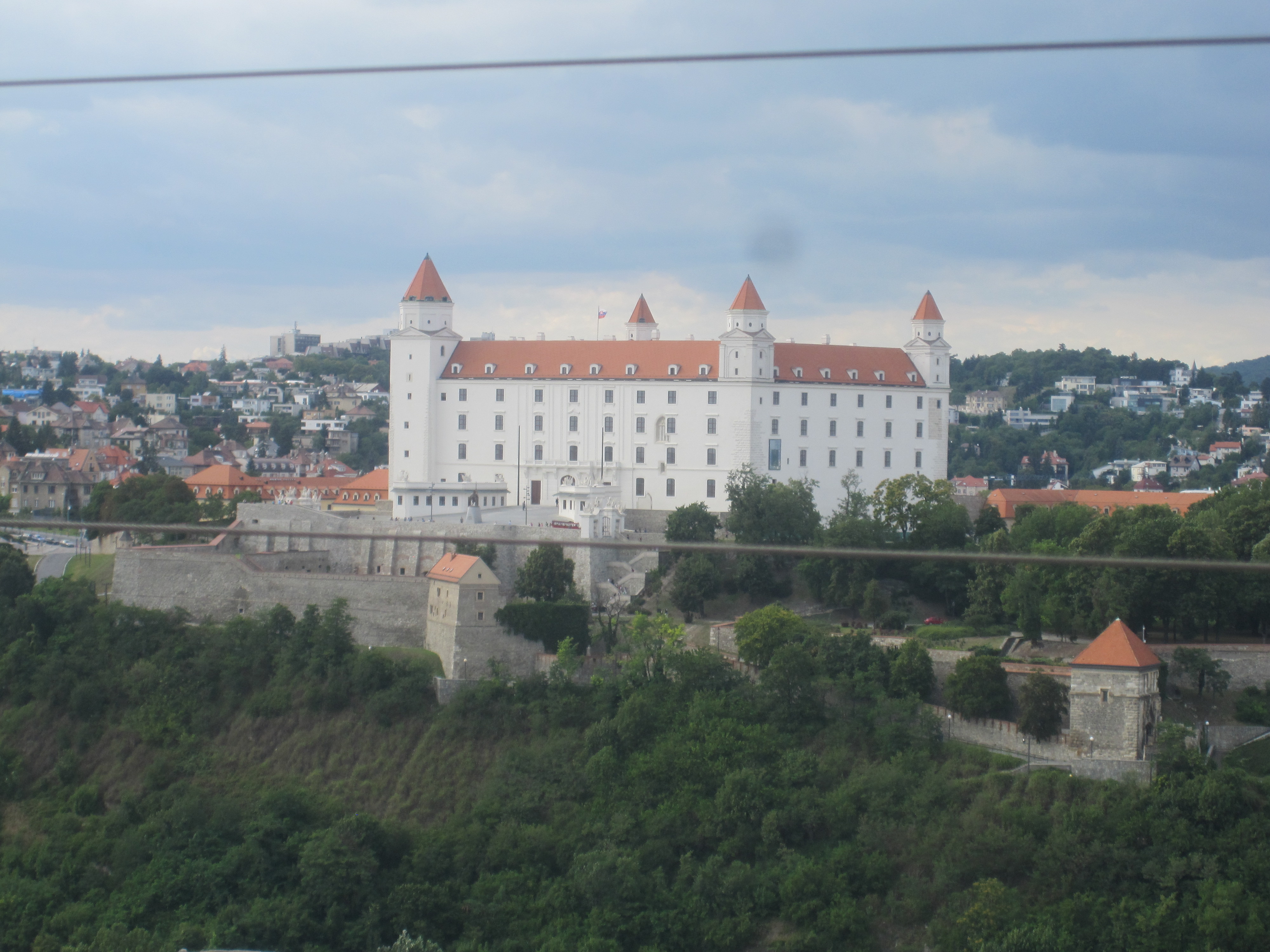
The Roman settlement on the Castle mount dates to the end of 1st century A. D. After the territory fell under the rule of Germanic tribes that came to conflict with the Roman empire.

The Castle Hill in Bratislava and its Slavonic castle were of importance in the period of the Great Moravian Empire. Archeologists have found a great number of Slavonic deposits originating from that time – foundations of both civic and ecclesiastic architecture. http://www.slovakheritage.org/Castles/bratislava.htm


Towards the castle, one has to take a breath taking walk to reach to the top. Some clicks on the way –

the steep path
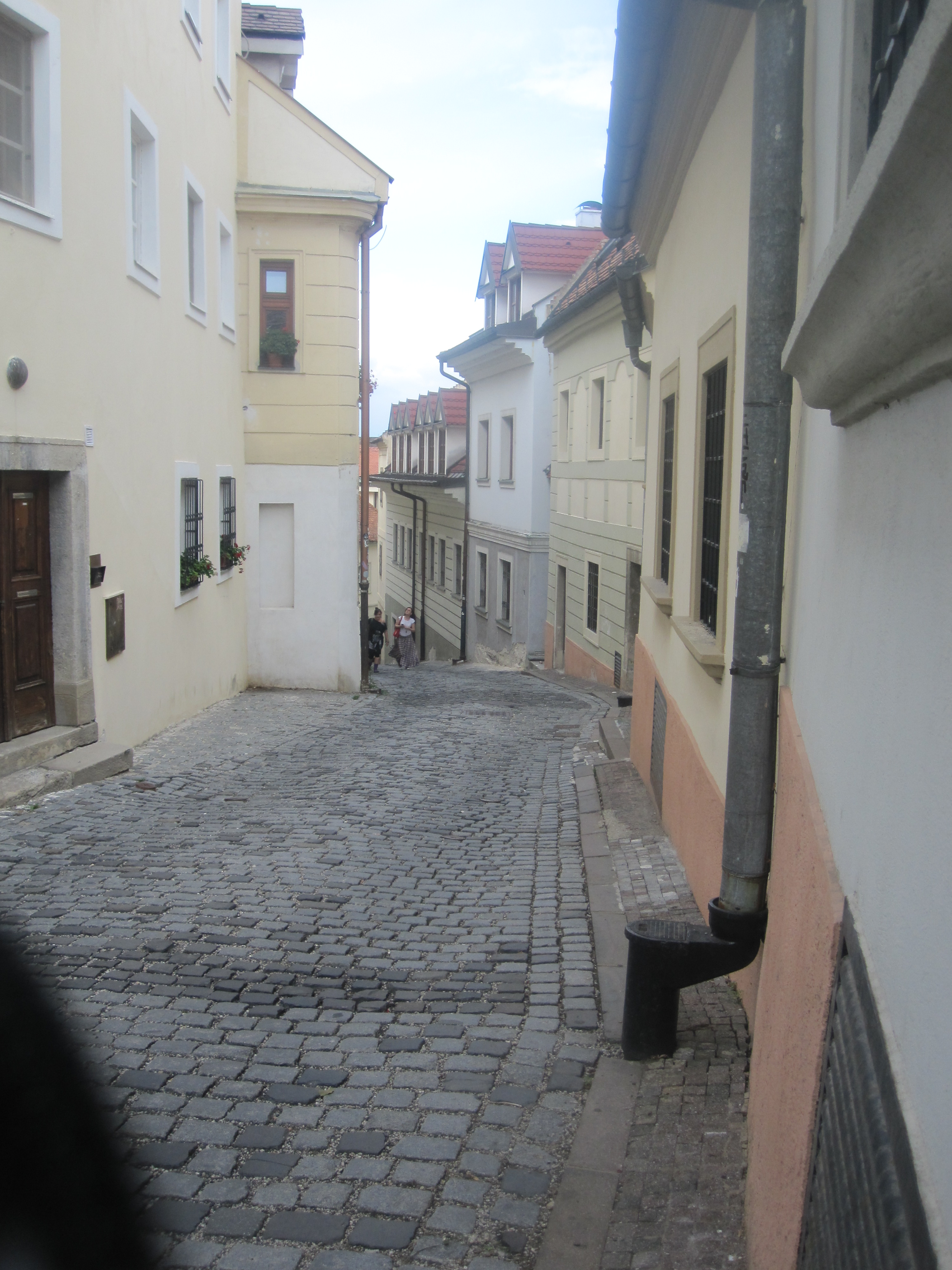
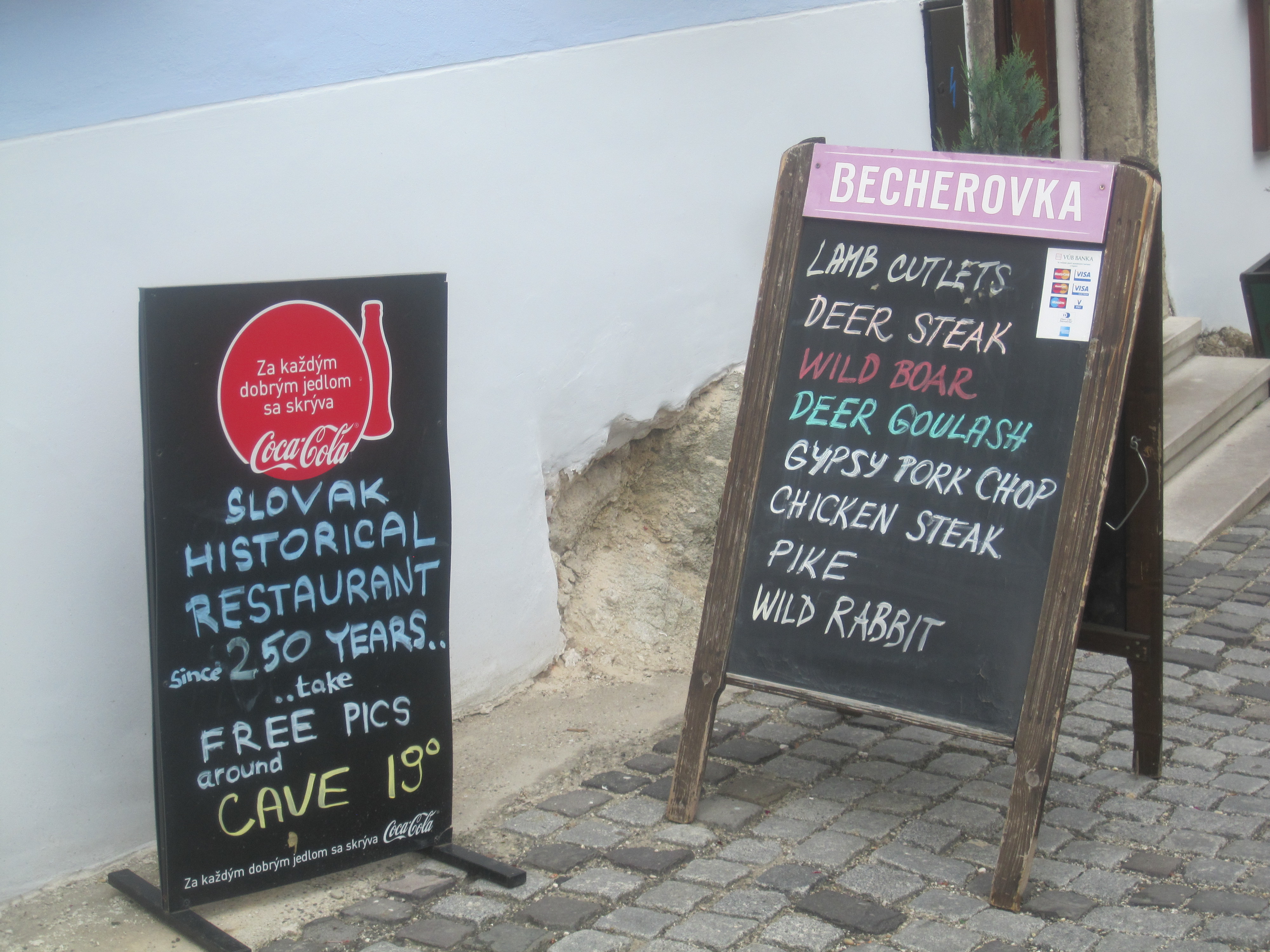
an interesting menu on the way
river danube and cruise ships seen from top of the castle

BUDAPEST

Next destination was Budapest, Capital of Hungary. When we entered Budapest, it was late night.  We were astonished by the well lit Chain Bridge and Buda Castle, and the whole of the mainland city made us feel we had entered a Royal City.


Chain Bridge


Built in the middle of the 19th century the stone bridge with the lion bridgeheads was the first permanent connection between Buda and Pest.http://www.budapest-tourist-guide.com/chain-bridge.html

fascination by day missed to capture at night
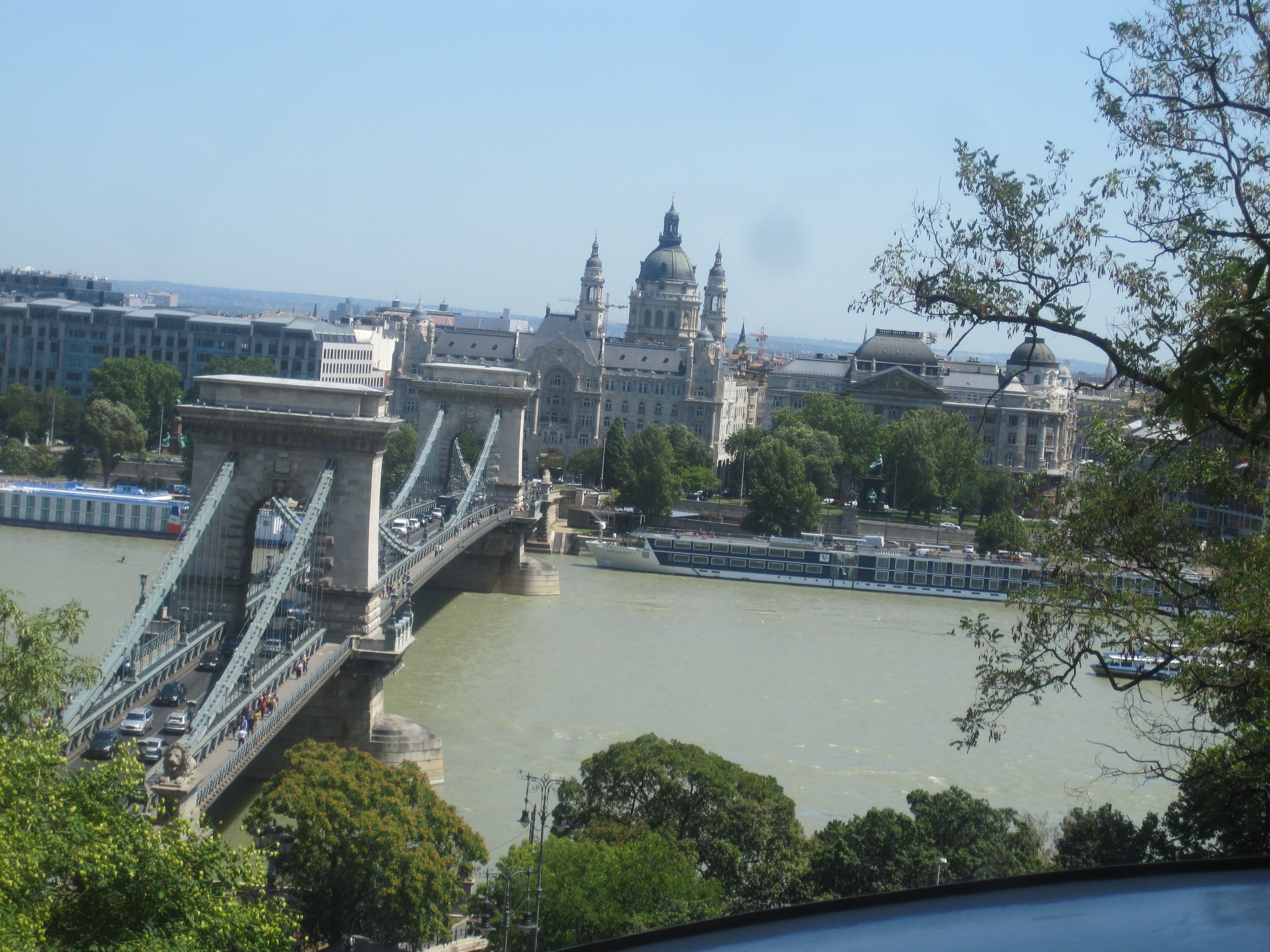
The UNESCO World Heritage Committee has listed the view of the Danube embankments and the Buda Castle District – which is one of the most beautiful and romantic parts of the city of Budapest – as a World Heritage site on the 11th of December, 1987. The latter is an ancient town district, giving home to some of the most important historical monuments in Hungary. While nearly 800 years passed since it has been originally founded, its beauty still stands unparalelled, despite earthquakes, fires, sieges and world wars. The buildings themselves in Budapest bear tell-tale signs of recent and ancient history.http://www.budapest.com/city_guide/attractions/world_heritage_sites.en.html

We took a hop-on-hop-off tour and could do a bit of justice to the most important places in Buda and Pest.

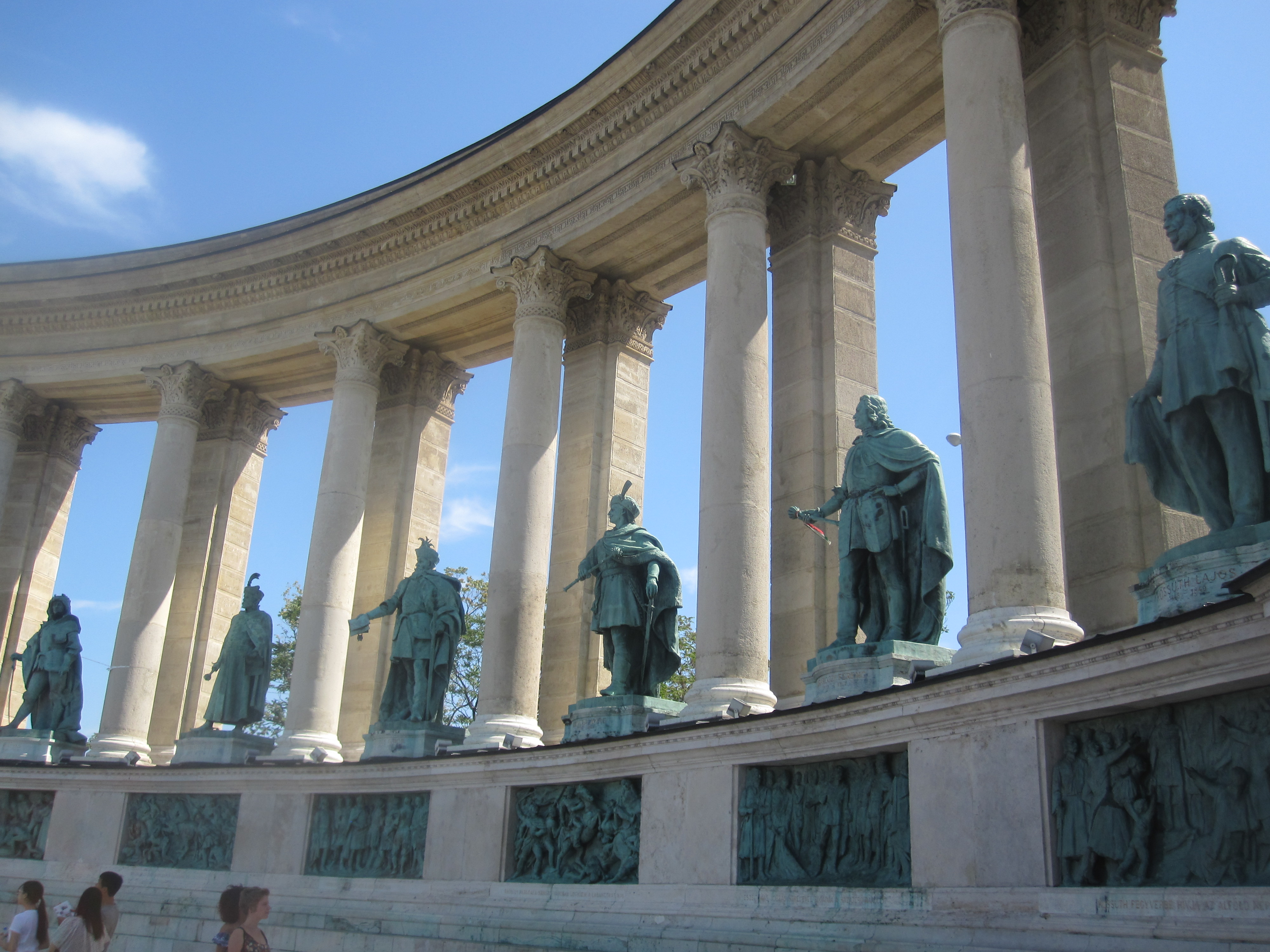
Heroes Square

The millenial monument was built in 1896 to commemorate the 1000th anniversary of the arrival of Hungarians in the Carpathian Basin.http://www.budapestinfo.org/herossquare.html
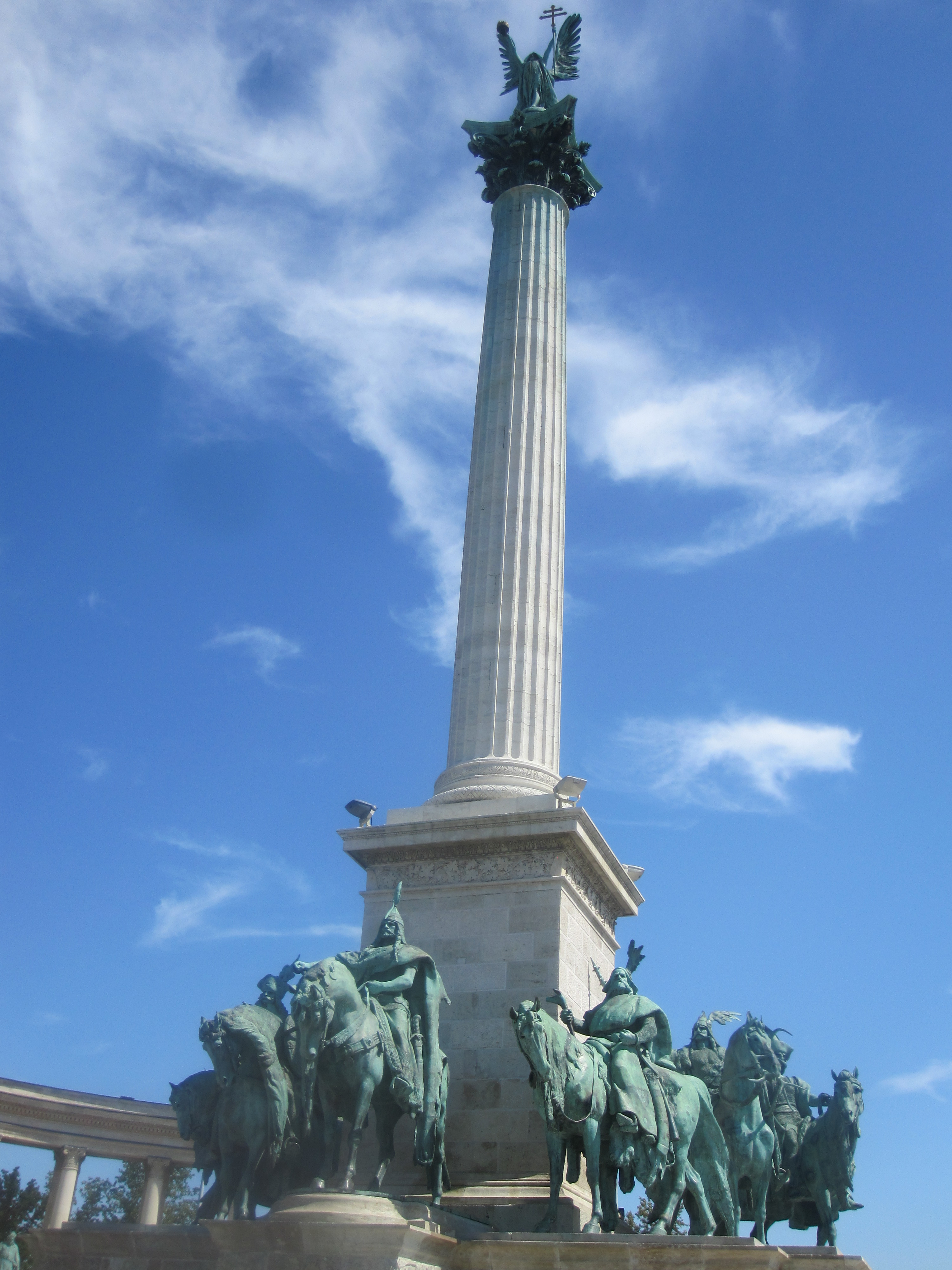
statues of kings, govenors and famous characters of Hungarian history
Shuttle Boat

This boat is a part of the hop-on-hop-off tour. The view of the beautiful buildings from the boat in the River Danube was certainly a memorable affair.

Parliament

The Hungarian Parliament is certainly the most impressive monument that I have seen in Budapest. The view of the Parliament from the river Danube is amazing!

The building stretches 268 meters in its length, along the Danube embankment. Ornamented with white neo-gothic turrets and arches, it forms the most outstanding landmark of the Pest side horizon. Statues of Hungarian monarchs and military commanders decorate the outer walls.http://www.budapest-parliament.com/

St. Stephen’s Bascilica

The Bascilica is named after the first Hungarian King Stephen, who helped Christianity enter Hungary. This is the largest church in Hungary.

The most famous article inside, is the right hand of exactly, King Stephen.

Another interesting thing is that the heaviest church bell weighs more than 9 tons. The former bell was taken away during the Second World War, and its successor only arrived in 1990. http://www.hungarybudapestguide.com/budapest/st-stephens-basilica

truly very impressive

inside the bascilica

Matthias Church

Mathias Church is a very different landmark – also called the Church of Our Lady, the colourful exterior and interior walls are very unique.

the church

the colourful roof

and the interiors

VIENNA

Now, we move on quickly to our next destination – Vienna, capital of Austria. The first thing that comes to our mind when we think of our trip to vienna is their excellent connectivity through metro stations. All the main destinations are very well connected that makes a tourist feels so much at ease and comfort.

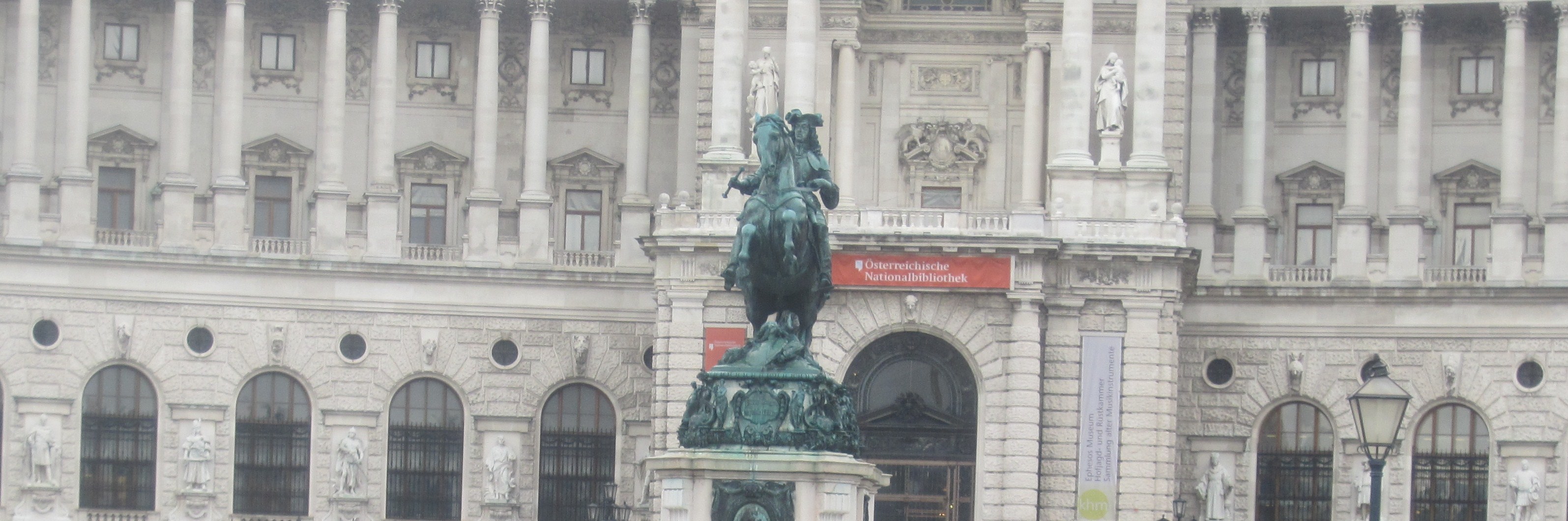
Hofburg Castle

This was originally a medieval castle and now is home to the National Library, Imperial Treasury, and has a collection of musical instruments and weapons and many other exotic things.
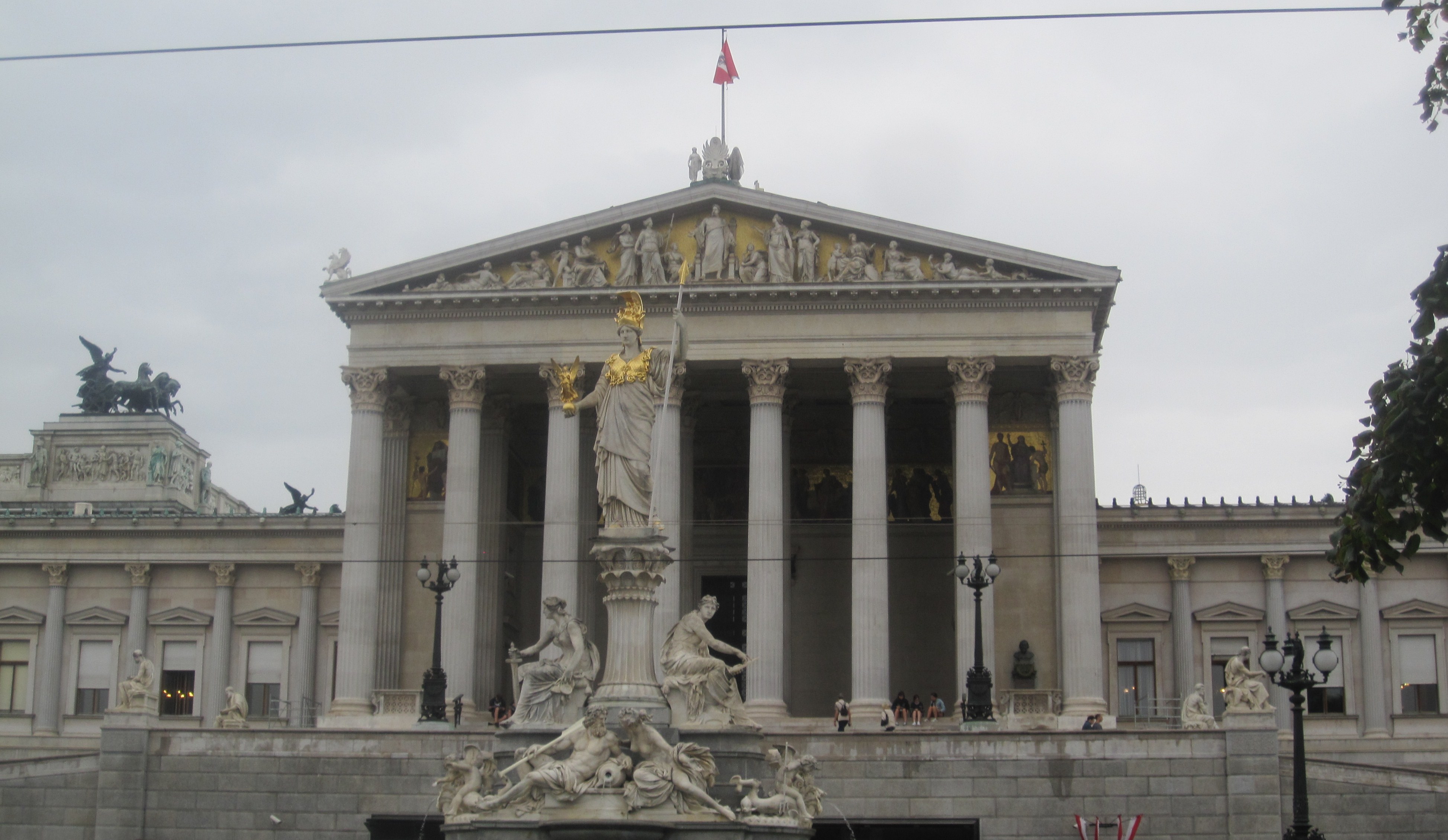
The Austrian Parliament

The main entrance is a copy of the doorway of Erechtheion on the Akropolis in Athens. The walls are decorated with marble and Greek statues. Behind the entrance the visitor encounters the Great Hall of Pillars. The 40 m long hall has 24 Corinthian style marble pillars. The capitals of the pillar are gilded with 23 carat gold and the marble floors are polished to perfection.http://www.gothereguide.com/austrian+parliament+building+vienna-place/
The Town Hall

the seat of the mayor of vienna and city council

Karlskirche

the biggest cathedral in baroque style, north of the Alps

The church has a panoramic lift, which offers a spectacular view of the city. A lift inside a church was quite interesting!

Schonbrunn Palace

Schonbrunn Palace was the summer residence of Austrian Emperors and used to be the summer residence of the royal family until 1918.

The castle was build to rival French Versailles in Baroque beauty and importance but House Habsburg lacked funds to outdo its rivalling nation France.  In earlier times it served as summer residence to various Habsburg rulers.http://www.aboutvienna.org/sights/schoenbrunn_palace.php

St. Stephen’s Cathedral

St. Stephen’s Cathedral is the seat of Arch Bishop of Vienna. It stands on the ruins of two earlier churches, first consecrated in 1147.

The highest south tower (136 m) took 65 years to build – from 1368 to 1433. The two Roman towers at the main entrance are 65 m tall. The roof is extraordinary with its colorful mosaic and is covered by 230,000 glazed tiles.http://www.gothereguide.com/st+stephens+cathedral+vienna-place/

NUREMBURG

After the spell binding tour, we travelled towards our fifth city, Nuremburg in Germany.
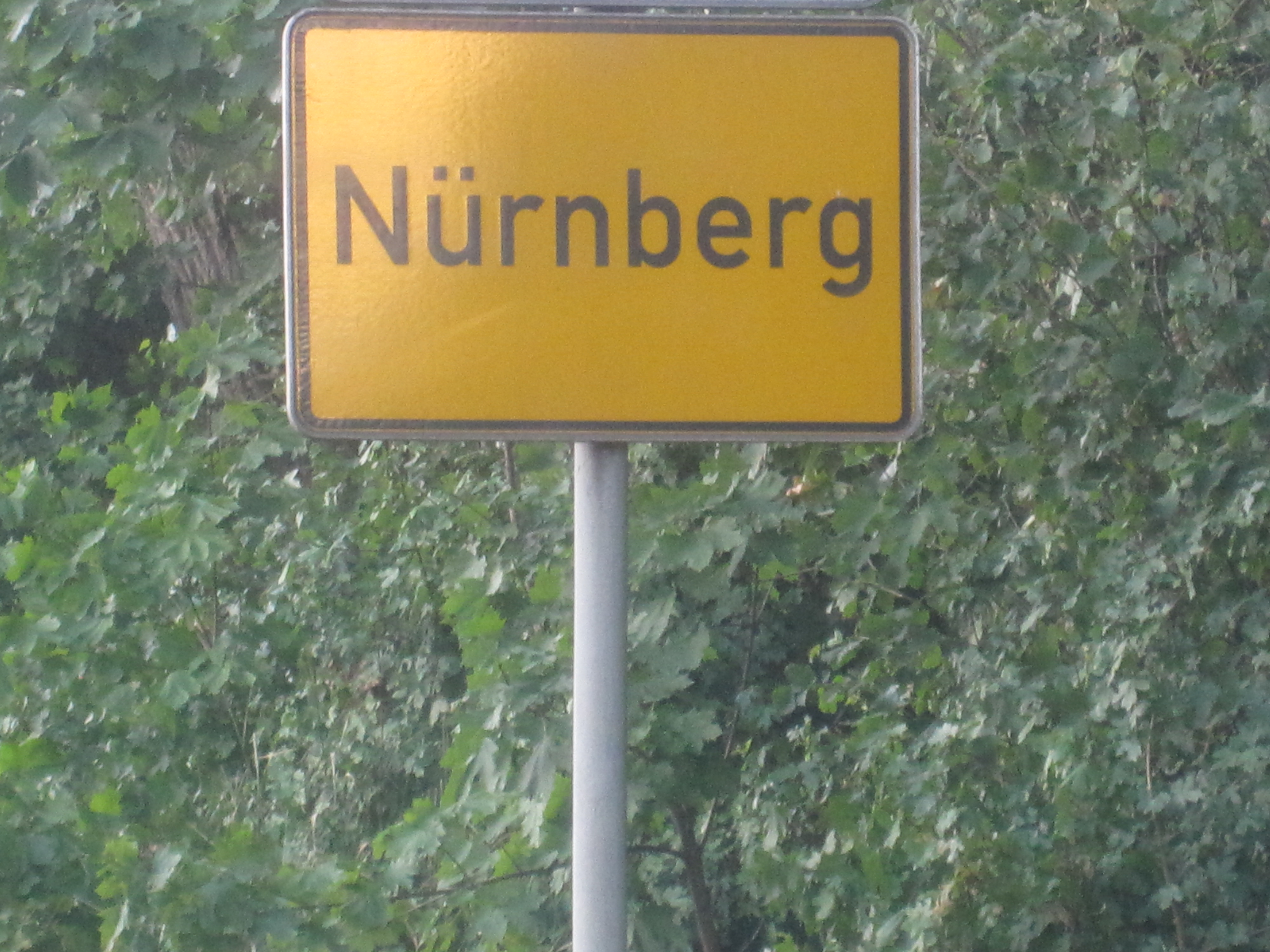
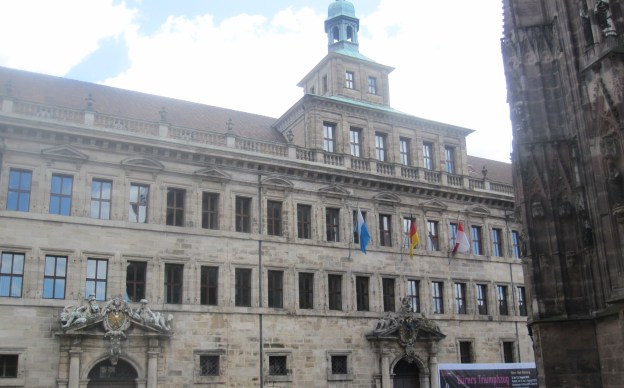
We did nothing of the nuremburg trial related tourism.  We chose Nuremburg as a stop gap destination to proceed towards holland, after a long drive from the previous place Vienna. It turned out not only to be a relaxing but also a lively and picturesque city. We visited the Kaiserburg Castle and the Main Square of the city – the Town Hall Square.

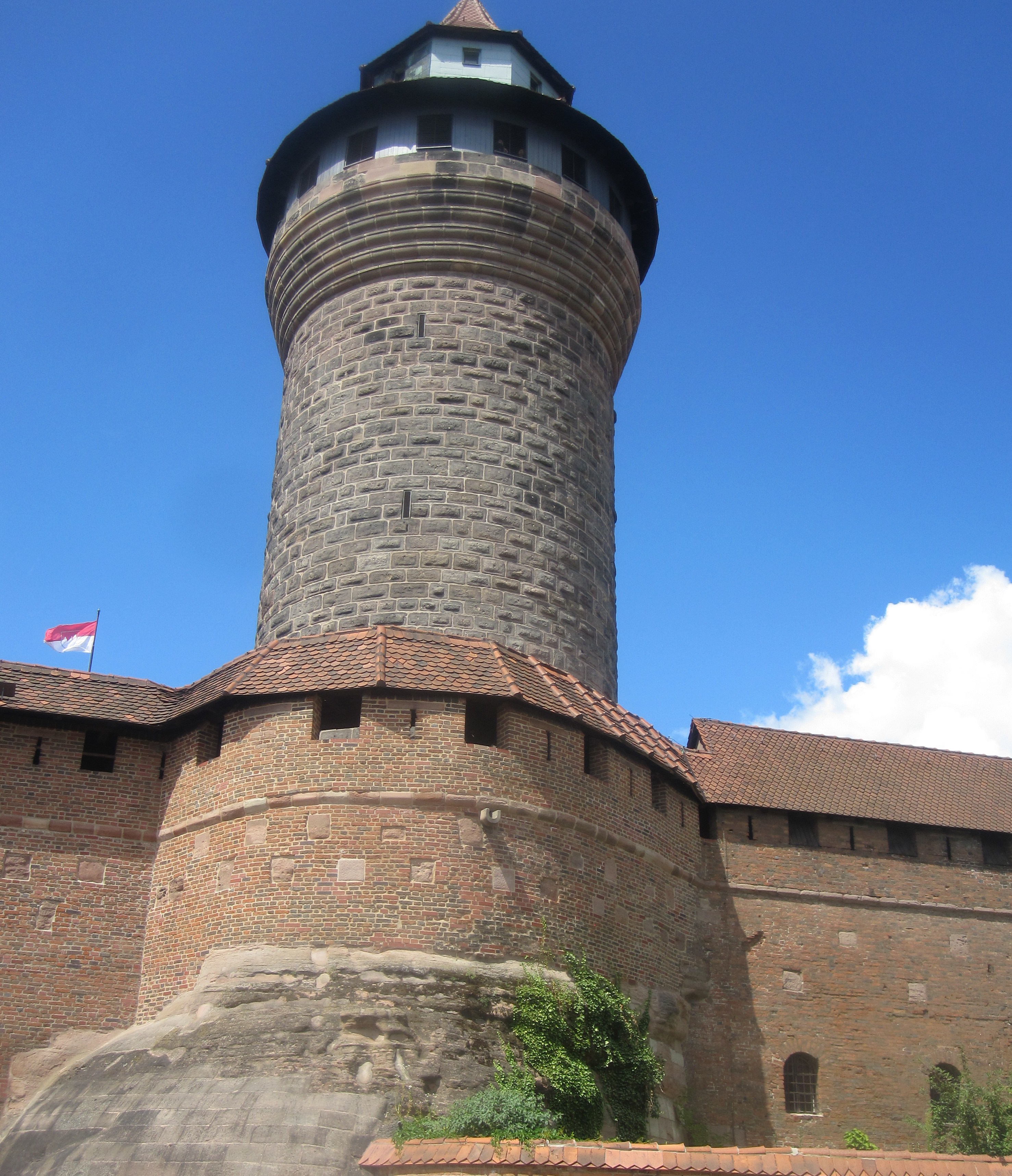
Kaiserburg Imperial Castle

This was one of the most important fortified imperial palaces of the Old Holy Roman Empire.

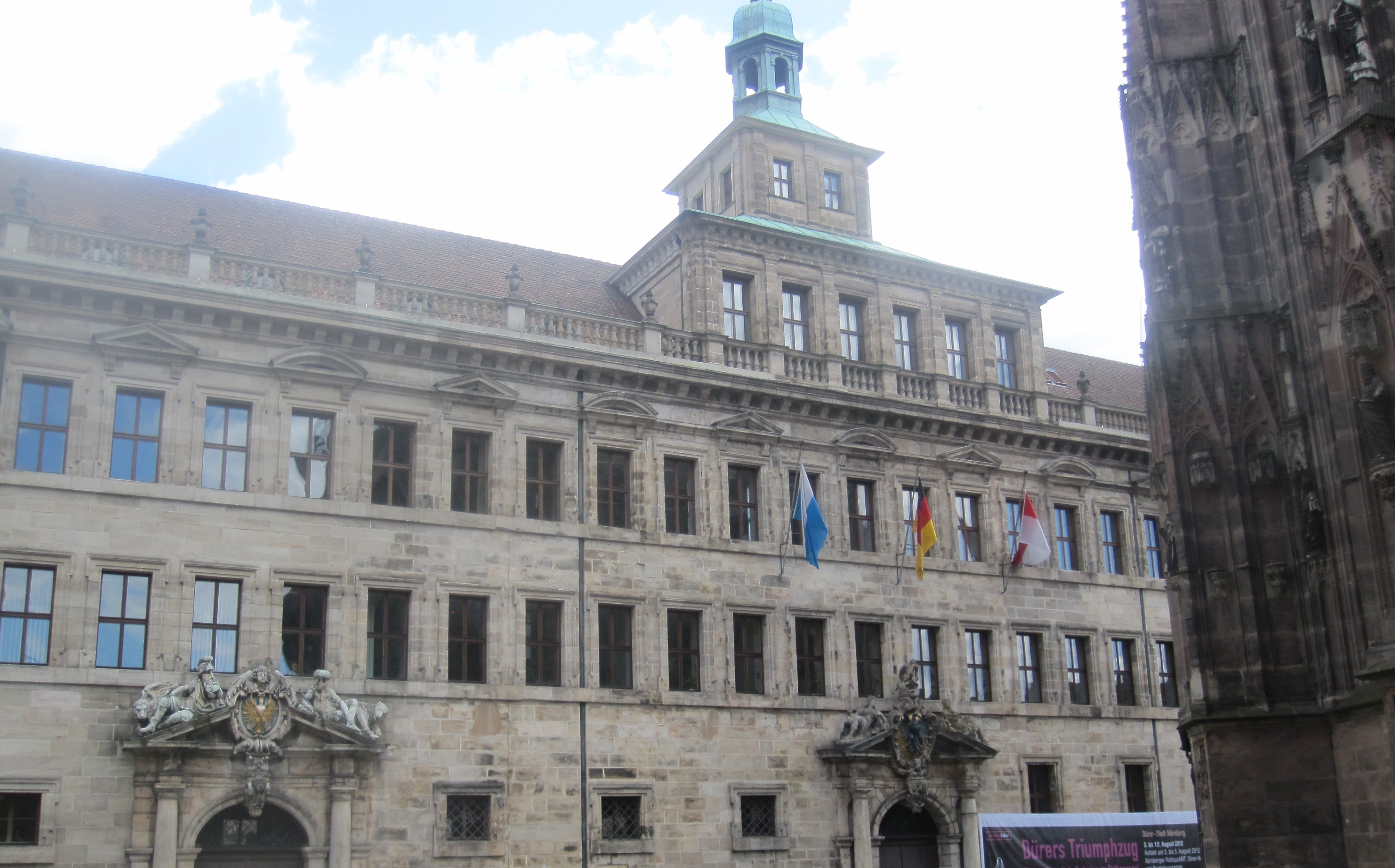
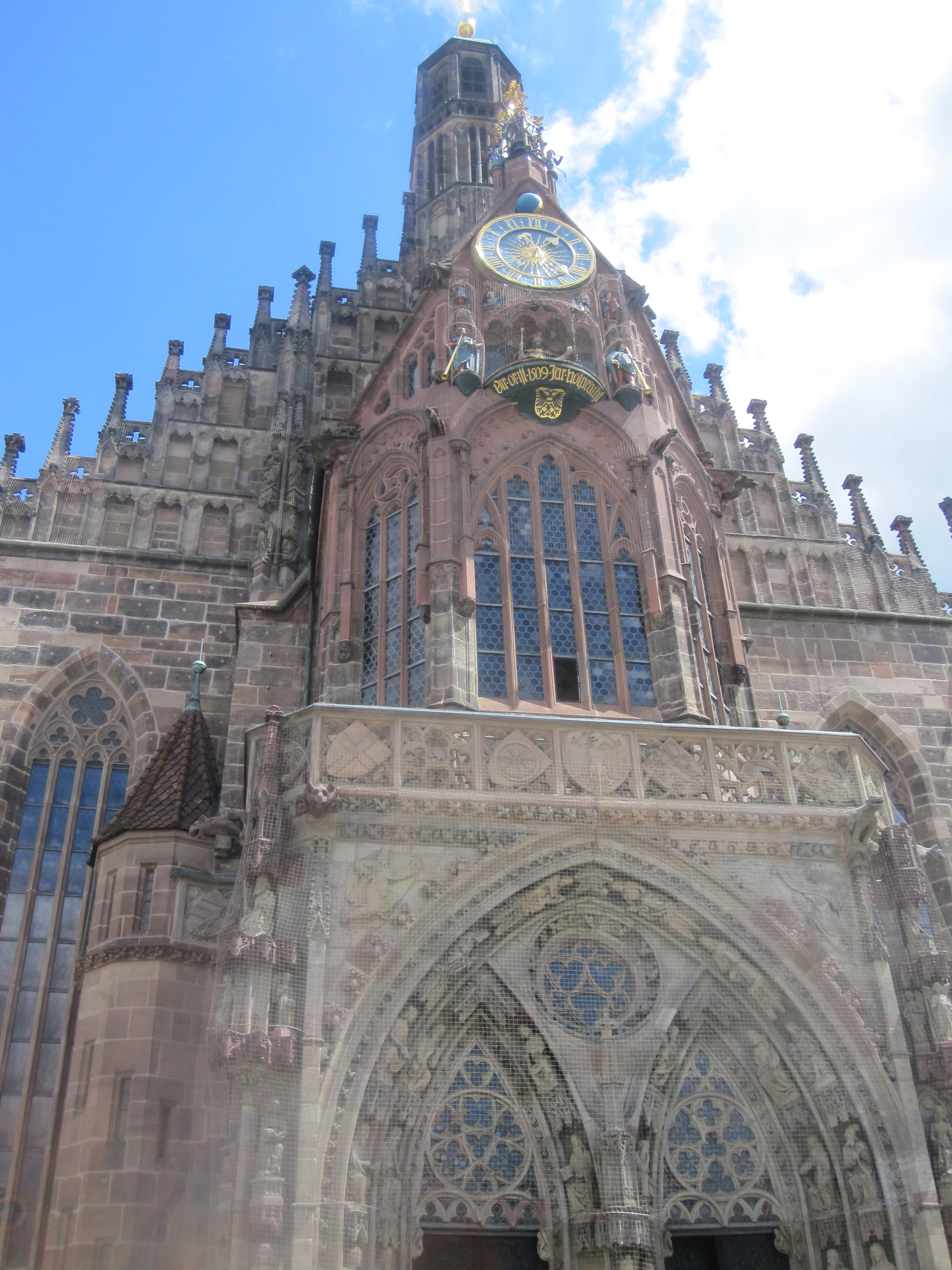
The Town Hall Square is marked by historic buildings and monuments inclusive of the Town Hall, St. Sebald’s Church and the Church of our Lady.

The Rathaus – Town Hall
St. Sebald’s Church

This is the oldest city parish church built in 1215.

Destroyed during World War II like the rest of the city, St. Sebald was reconstructed in 1957 and reconsecrated. The reliquary shrine (ca. 1397) in the tomb cast in bronze by Peter Vischer and his sons (1508-1519) is prominently located in the interior of the church. The bones of Nuremberg patron saint Sebaldus are presumed to rest in the silver embossed “casket”.http://tourismus.nuernberg.de/en/sightseeing/places-of-interest/churches/d/nuernberg-kirchen-st-sebald.html

The Church of our Lady or the Frauen Kirche
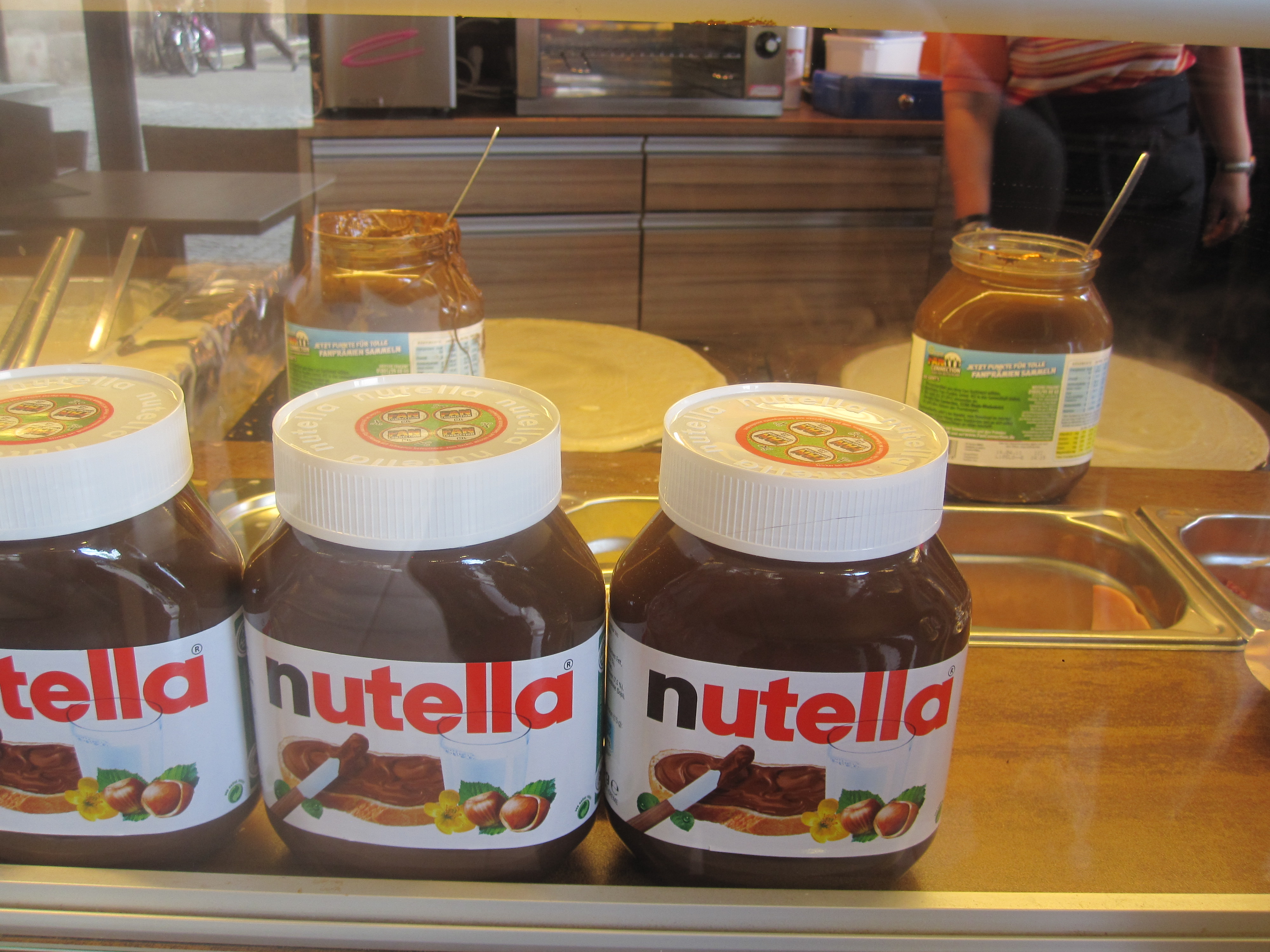
While we wandered for quite a while in the town hall square,  there was a fair going on – a sunny summer sunday! Amongst those beer shops and live rock music stuff, we found a crepe shop and clicked a few snaps while the efficient lady of the shop was making them.
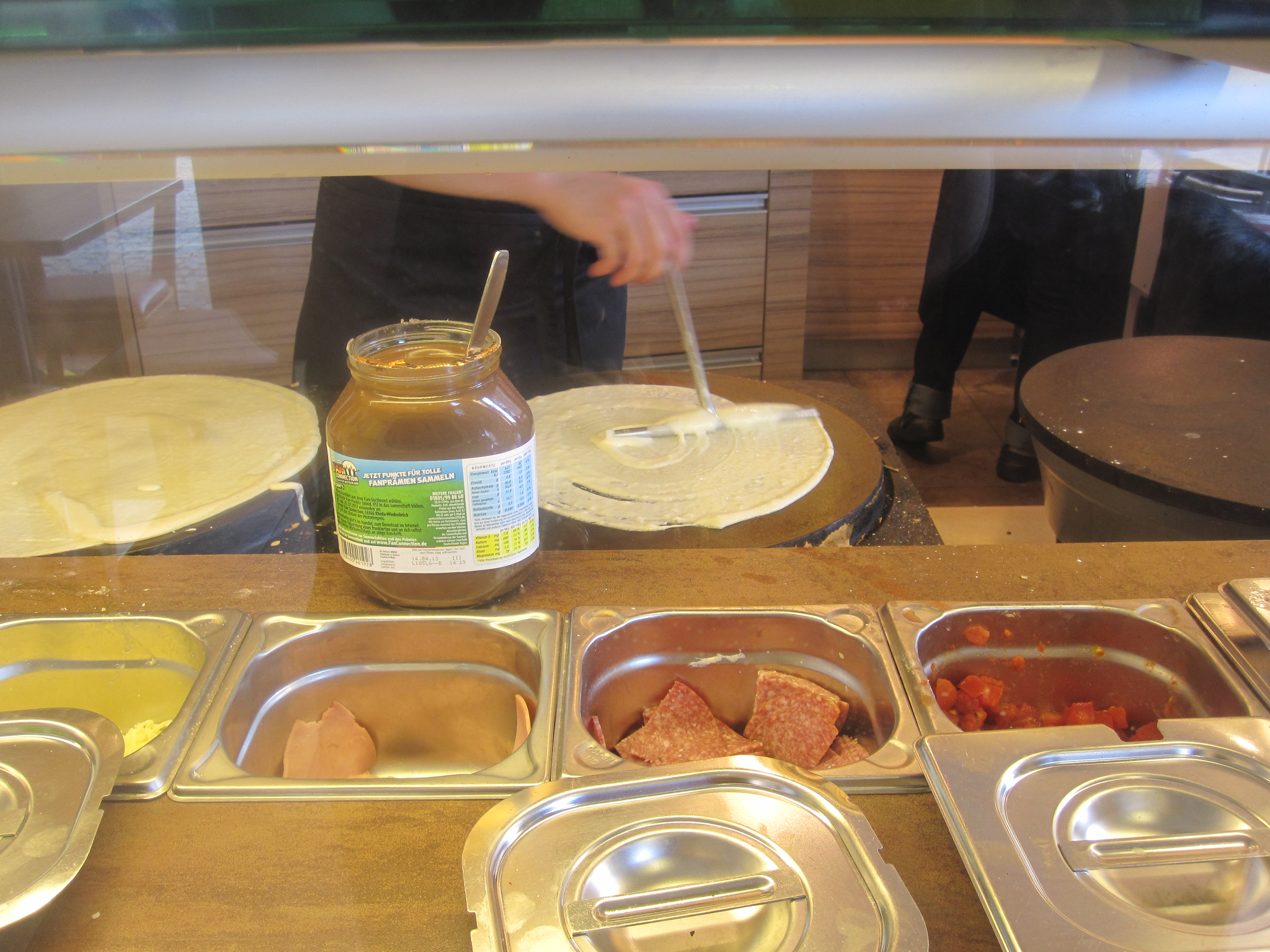
honey or choco pasta for the sweet tooth/teeth
for cheese lovers
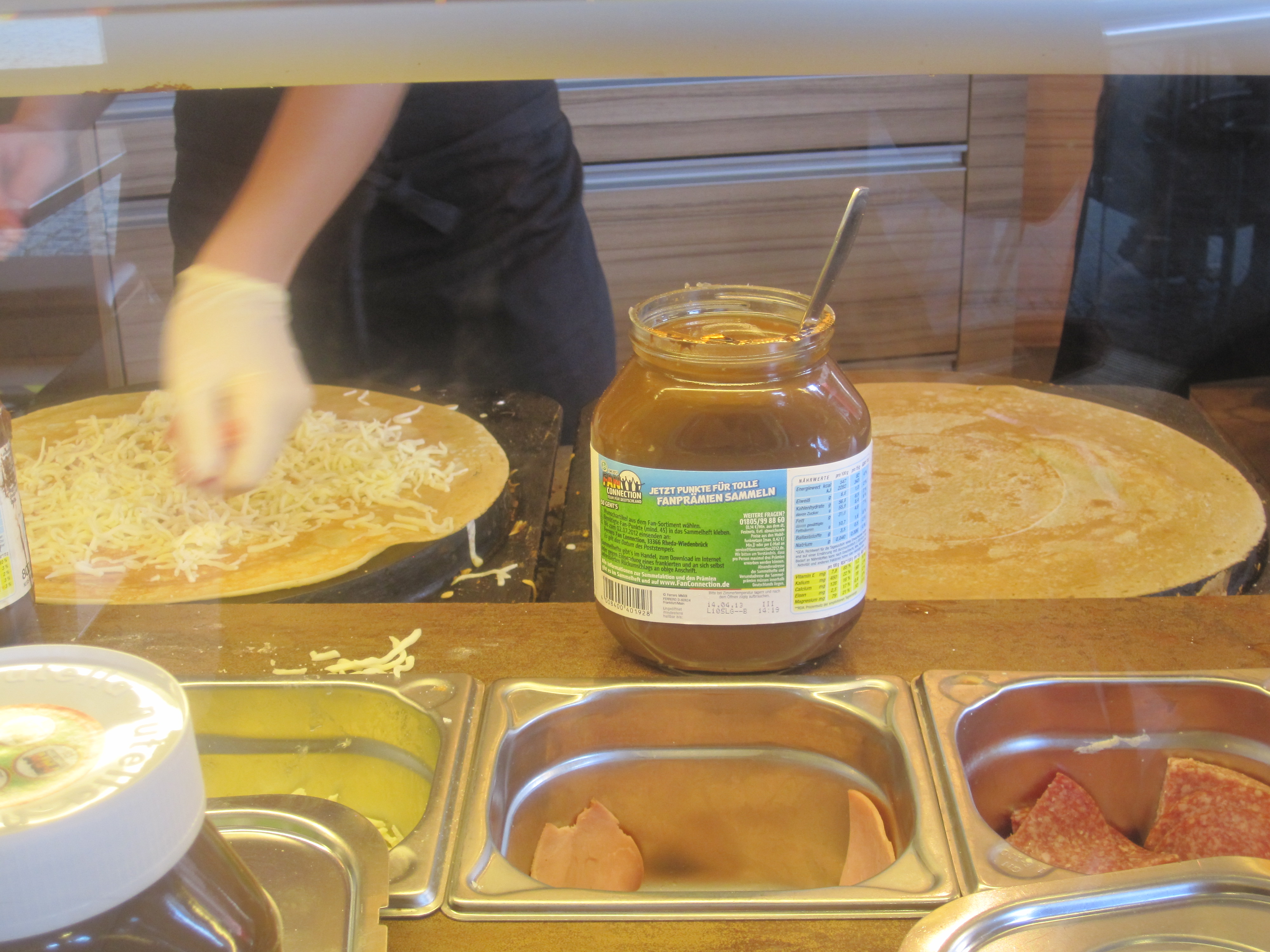
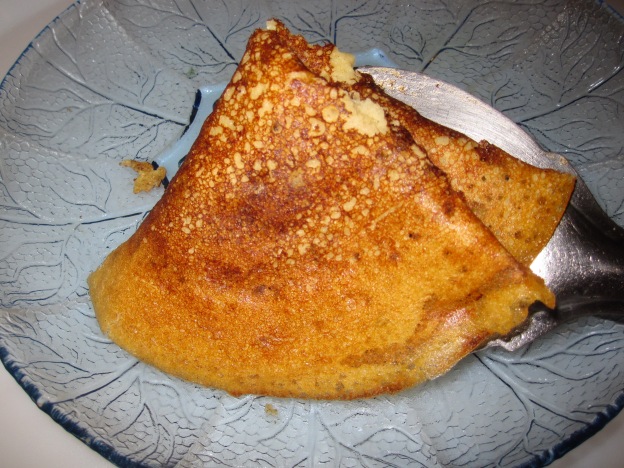
Crepes, Pancakes, Pannekoeken or Dosais – everything needs the artistic movement of hands to make them perfect.

It reminds me of our Gothumai Dosai (South Indian Pancakes made of wheat flour) and Maida Dosai (the same made with all purpose flour). The South Indian version always needs a spicy chutney (thakkali-kaara-chutneyspicy-tomato-chutney/)  or sambar (sambar/) to go with it!!

I think it has been a long time not discussing food.  See you soon with some of those I have missed so long!
Tale of five cities – Part I!

A loooong break… really long! Quite a lot of travel, exploring more and more of Europe.  It is truly a pleasure to travel beyond closer boundaries. So, first we decided to visit Spain. When some of our friends warned us of the heavy summer, we chose to go to Prague, capital of Czech Republic. Then, slowly the travel plan came to shape with the ever efficient ‘man of the house’… who charted the perfect plan. Prague, Bratislava, Budapest and Vienna – capitals of Czech, Slovakia, Hungary and Austria respectively. On the way back home, we would take a break at Nuremburg, Germany to avoid long hours of journey by car.

Now, it was my turn to find out important places of visit in the concerned cities to make it a memorable holiday. So, the search and research started. First, search – hotel rooms were booked. Then came research – the most interesting part of any tour – what to visit? Quickly made a list of the most important places – through those very useful multiple websites. Got a big list of ‘must see’ places – especially palaces – our little princess loves visiting palaces!

So, packed our bags, stuffed the trunk of the car with sufficient food, clothing, more and more necessary and unnecesssary stuff as usual.

Here, I pack again to share our beautiful moments through a few photographs.

First destination

Prague

czech republic

prague-praha

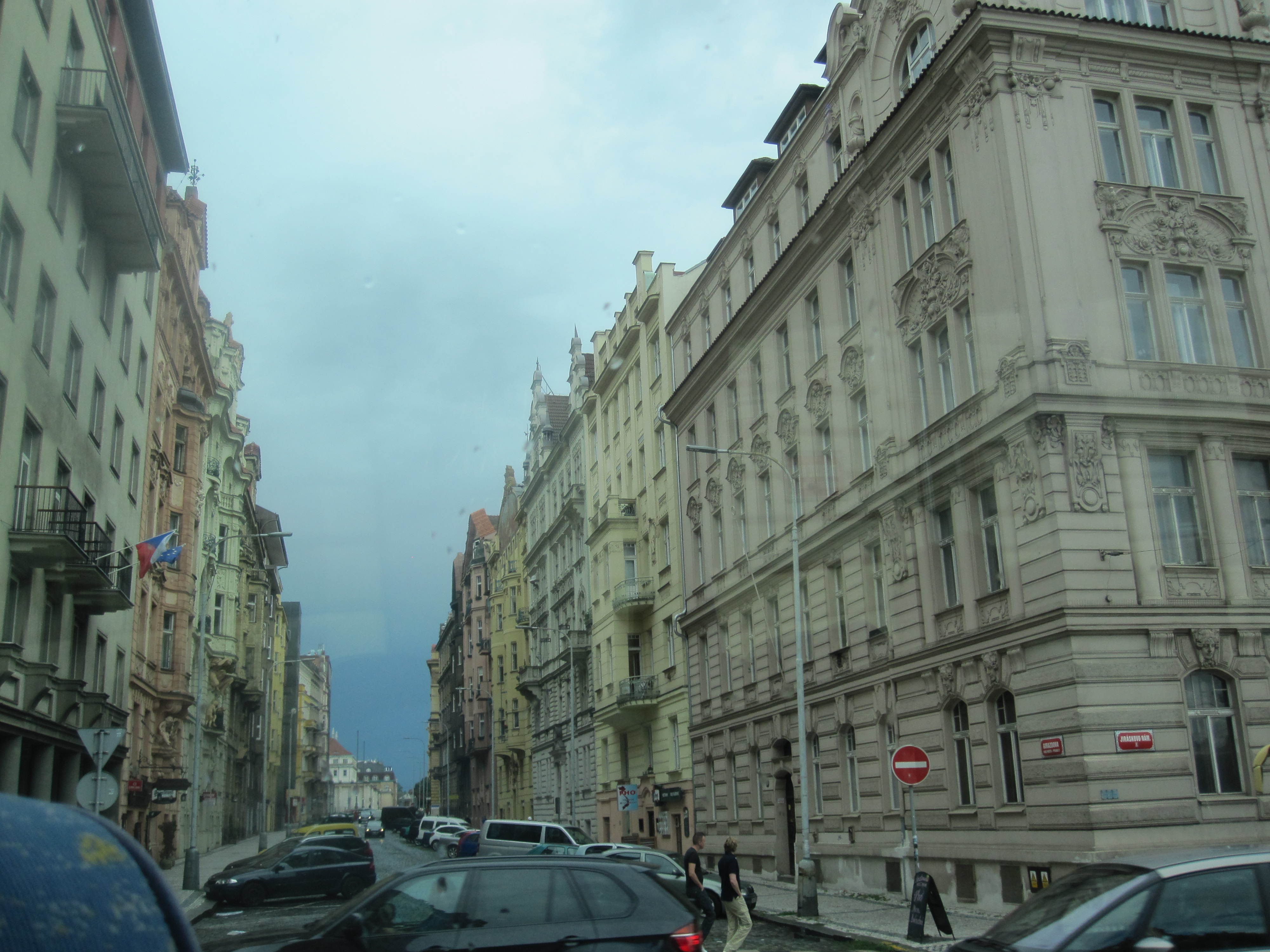
beautiful buildings

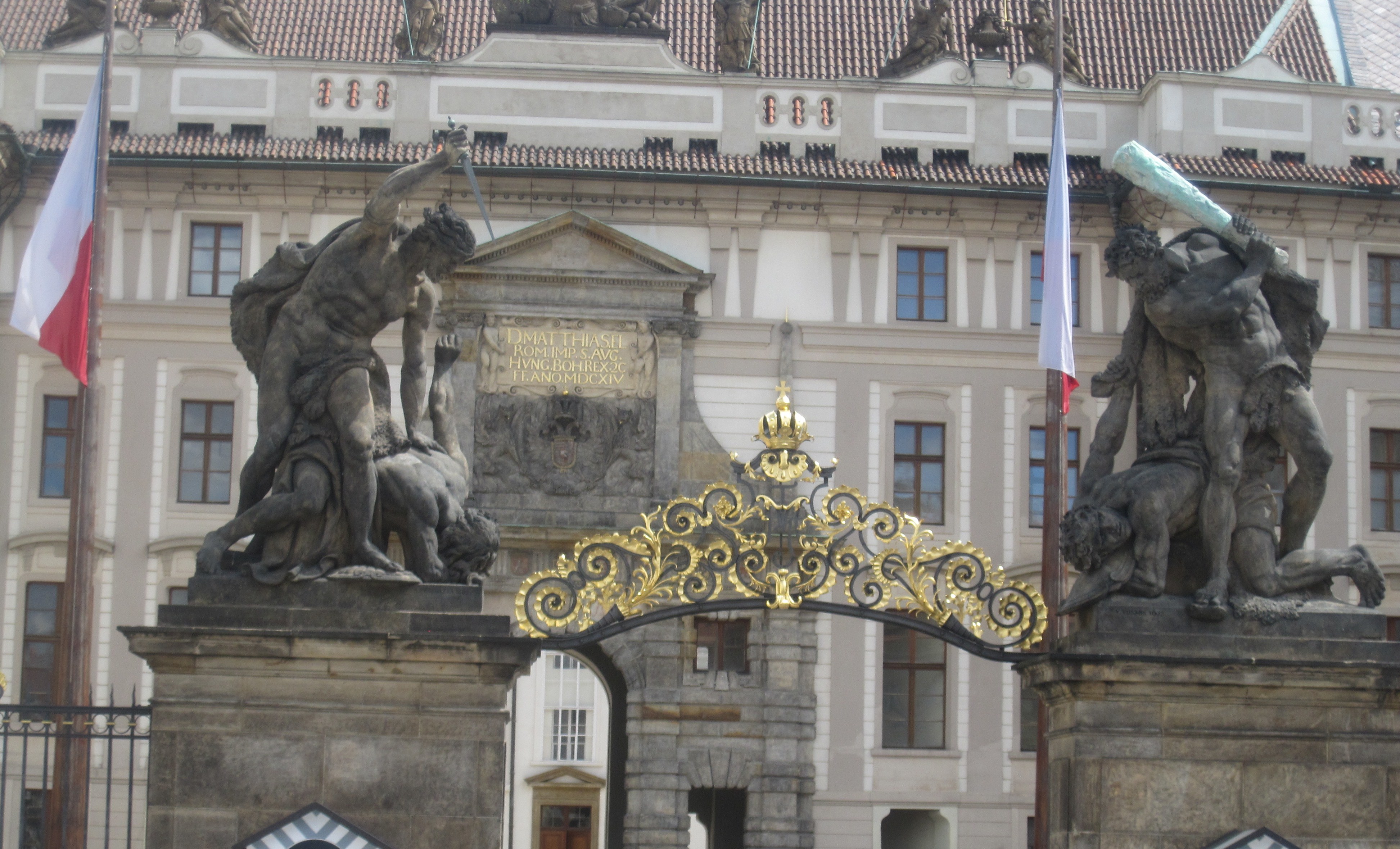
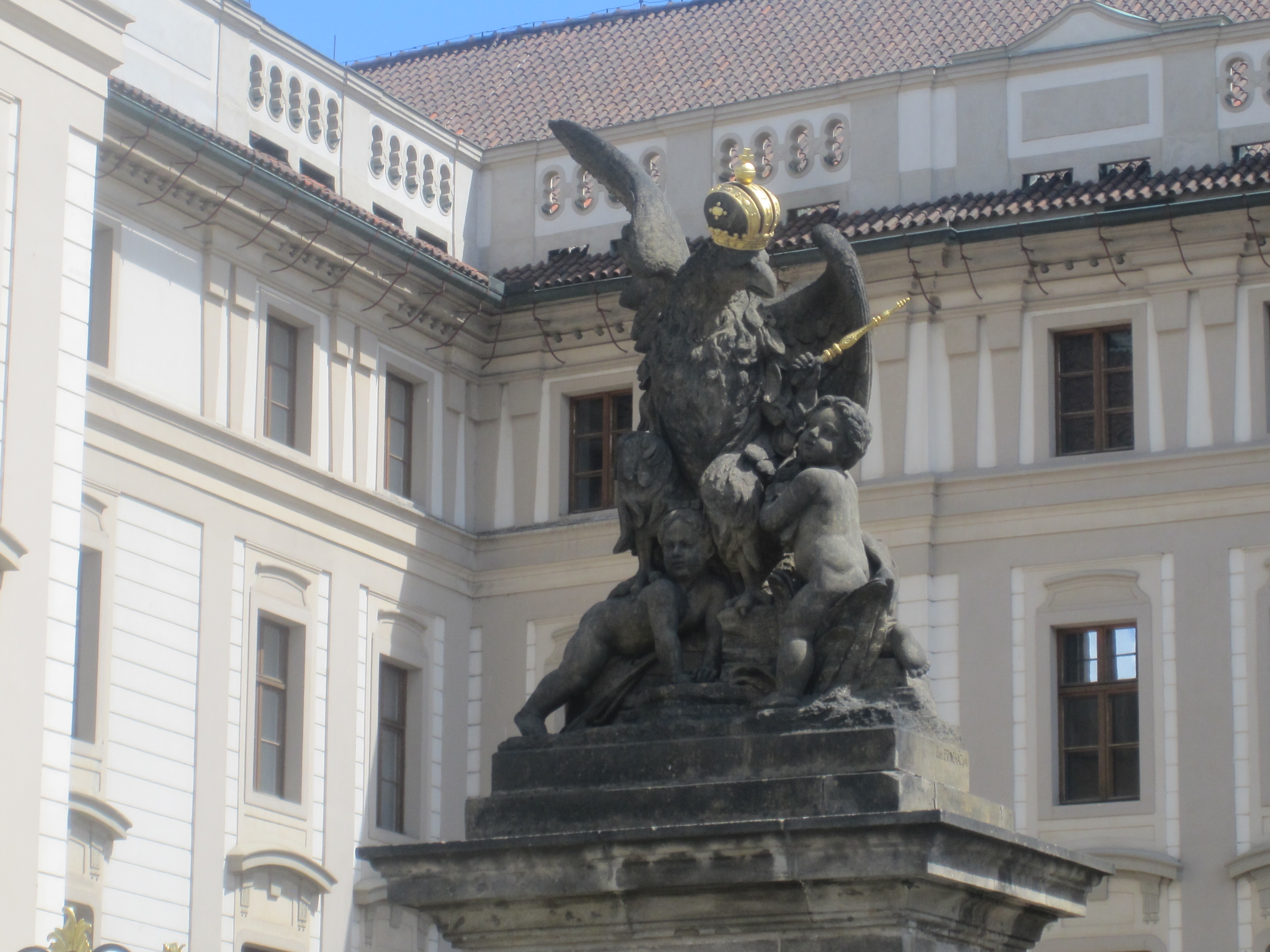
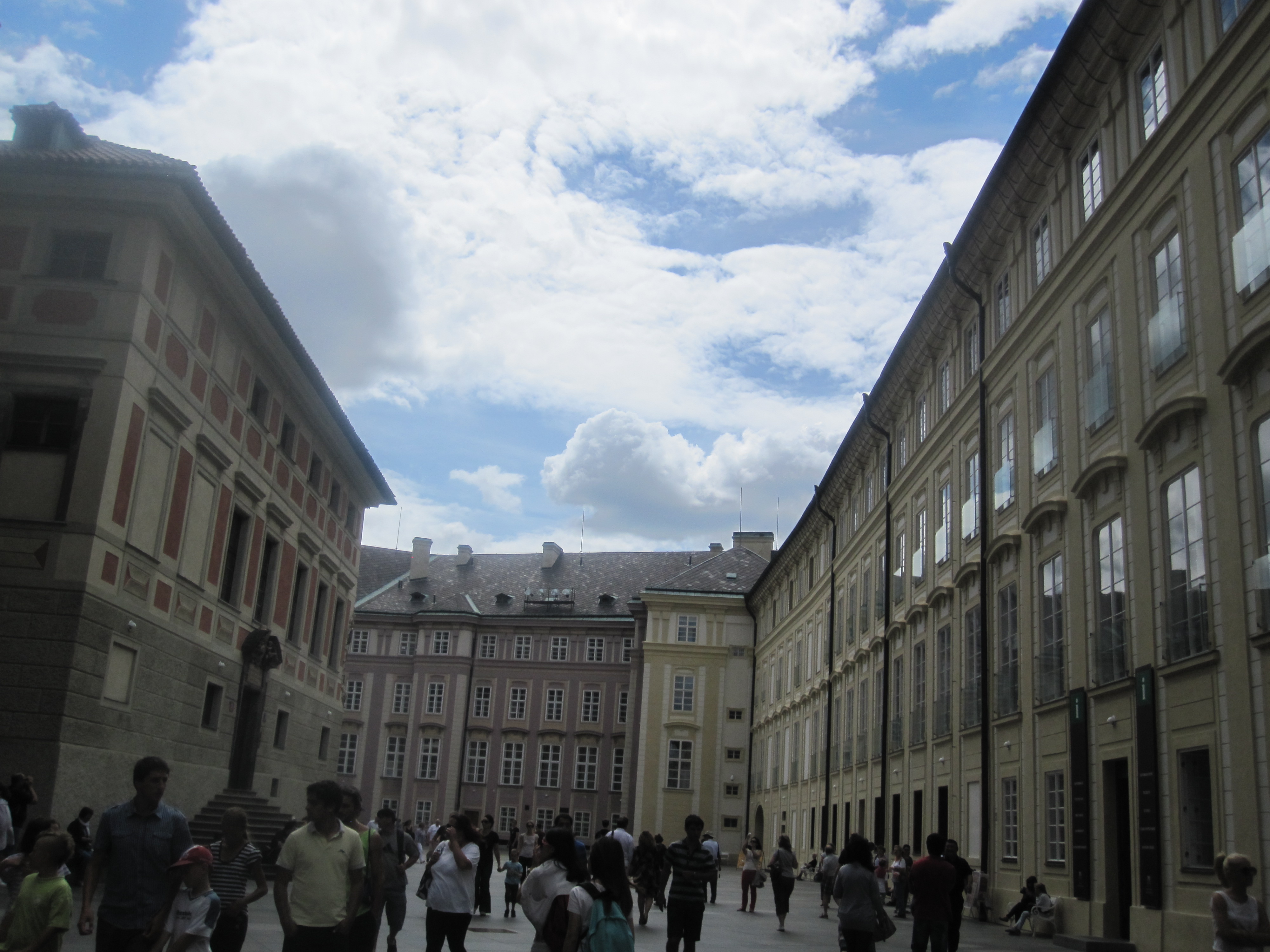
Prague Castle

According to the Guinness Book of World Records, the Prague Castle is the largest coherent castle complex in the world, with an area of almost 70,000 m². A UNESCO World Heritage site, it consists of a large-scale composition of palaces and ecclesiastical buildings of various architectural styles, from Roman-style buildings from the 10th century through Gothic modifications in the 14th century. http://www.hrad.cz/en/prague-castle/prague-castle-tourist-information/visit-of-prague-castle.shtml

charmingly sculpted…

one of the numerous buildings inside the castle complex

The Prague Castle is the seat of the President since 1918.

The Cathedral of SS Vitus, Wenceslas and Adalbert

The basilica of St. Vitus, built on the site of the original rotunda, was the main castle church since the 11th century, where the relics of the patron saints of the land were kept: SS. Vitus, Wenceslas and Adalbert. And from the 10th century the convent of the Prague church was an important educational and cultural institution.http://www.hrad.cz/en/prague-castle/history/history-of-prague-castle.shtml

This Cathedral is the largest of Prague’s places of worship. It is the hardwork of 600 years. It stands huge and tall in the Prague Castle.

St. Vitus, St. Wenceslas and St. Adalbert Cathedral is A gothic cathedral, the spiritual symbol of the Czech state, founded in the year 1344 by Jan Lucembursky (John of Luxembourg) and his sons Karel (Charles) and Jan Jindrich (John Henry) in the place of the original romanesque rotunda.http://www.praguewelcome.cz/en/visit/monuments/top-monuments/54-the-prague-castle.shtml

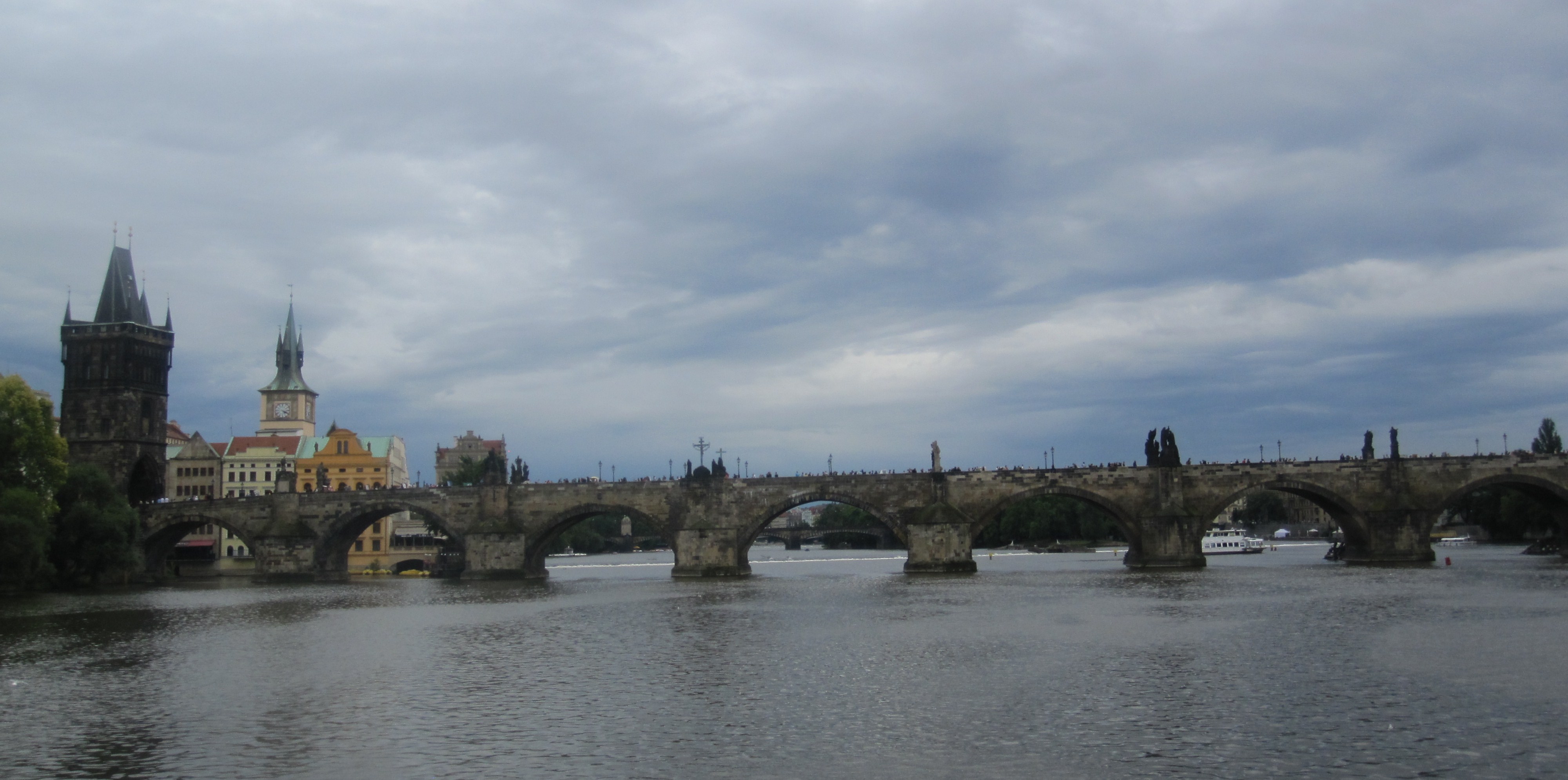
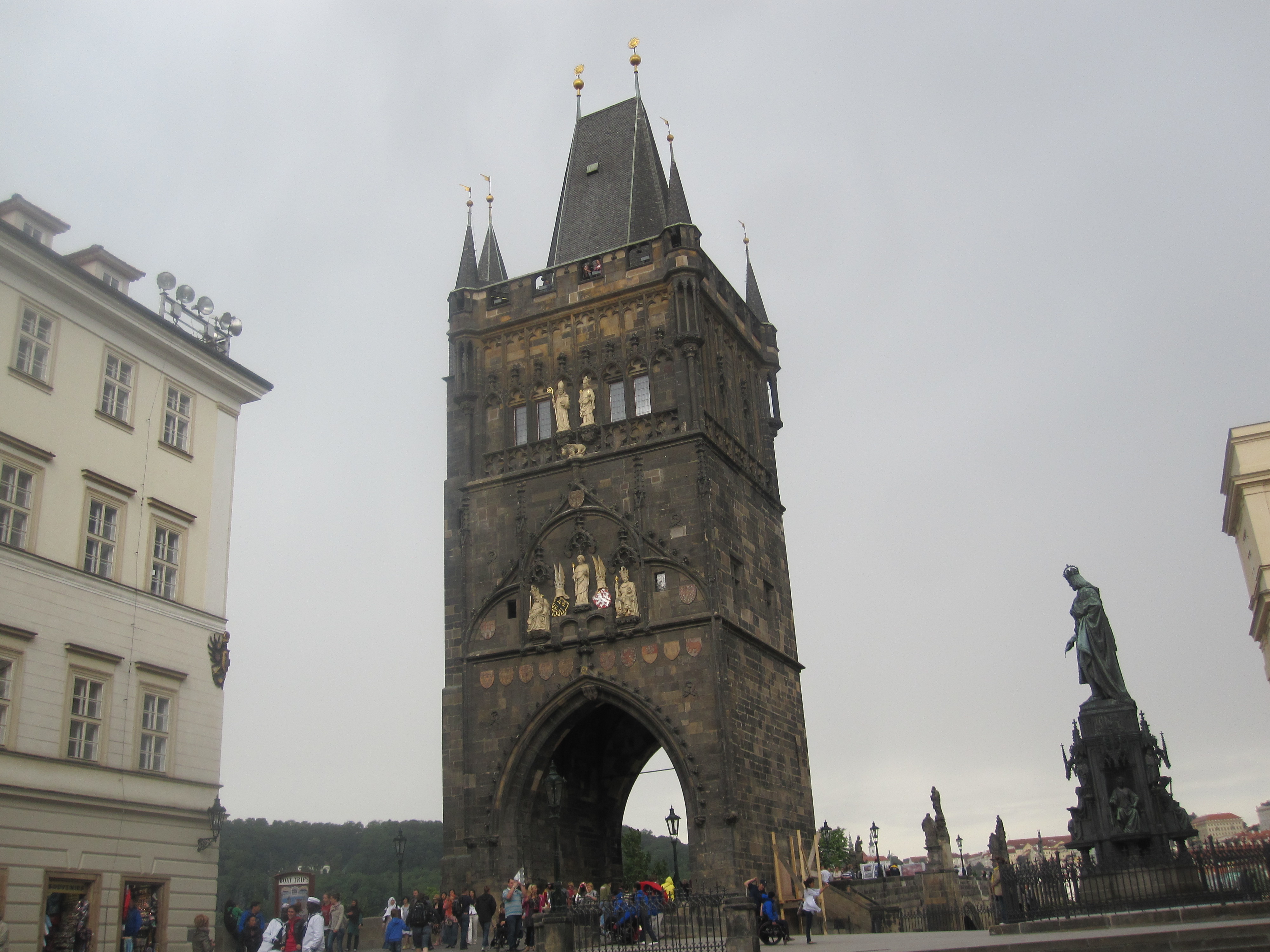
Charles Bridge

the perfect post card (from my camera)

Charles Bridge stands splendid on the river Vltava. But this was not the first bridge on the bridge. There used to be the Judith Bridge, which was the first stone bridge over the river. Judith Bridge was build in 1172 and collapsed in a flood in 1342.

The Stone or Prague Bridge since 1870 called Charles Bridge, was founded by Charles IV in the year 1357. The smaller tower – the romanesque one, a relic of the Judita’s Bridge, was constructed in the 12th century. The higher one is 200 years younger (1464) and its late gothis architecture draws upon the Parler’s Old Town Bridge Tower.http://www.praguewelcome.cz/en/visit/monuments/top-monuments/55-charles-bridge.shtml

tower on the Mala Strana can be climbed for a view of the city

Some of the statues on charles bridge…

statues of Saints Dominic and Thomas

statue of crucification

statue of Saint John of Nepomuk

The plaque on this statue depicts a man being thrown off from the bridge. It was St. John of Nepomuk who was executed by being thrown into the Vltava during the reign of Wenceslas IV. Touching the statue is a Prague custom and is supposed to bring good luck and one’s return to Prague.

Wenceslas Square

Wenceslas Square lies at the heart of the New Town (Nove Mesto) – the word new is misleading though, as the area was actually laid out in 1348 by Charles IV.

Wenceslas Square is really a boulevard, measuring 750m long by 60m wide. It was originally laid out as the Prague horse market 650 years ago. http://www.pragueexperience.com/places.asp?PlaceID=605

the bustling centre – wenceslas square

The Dutch Connection

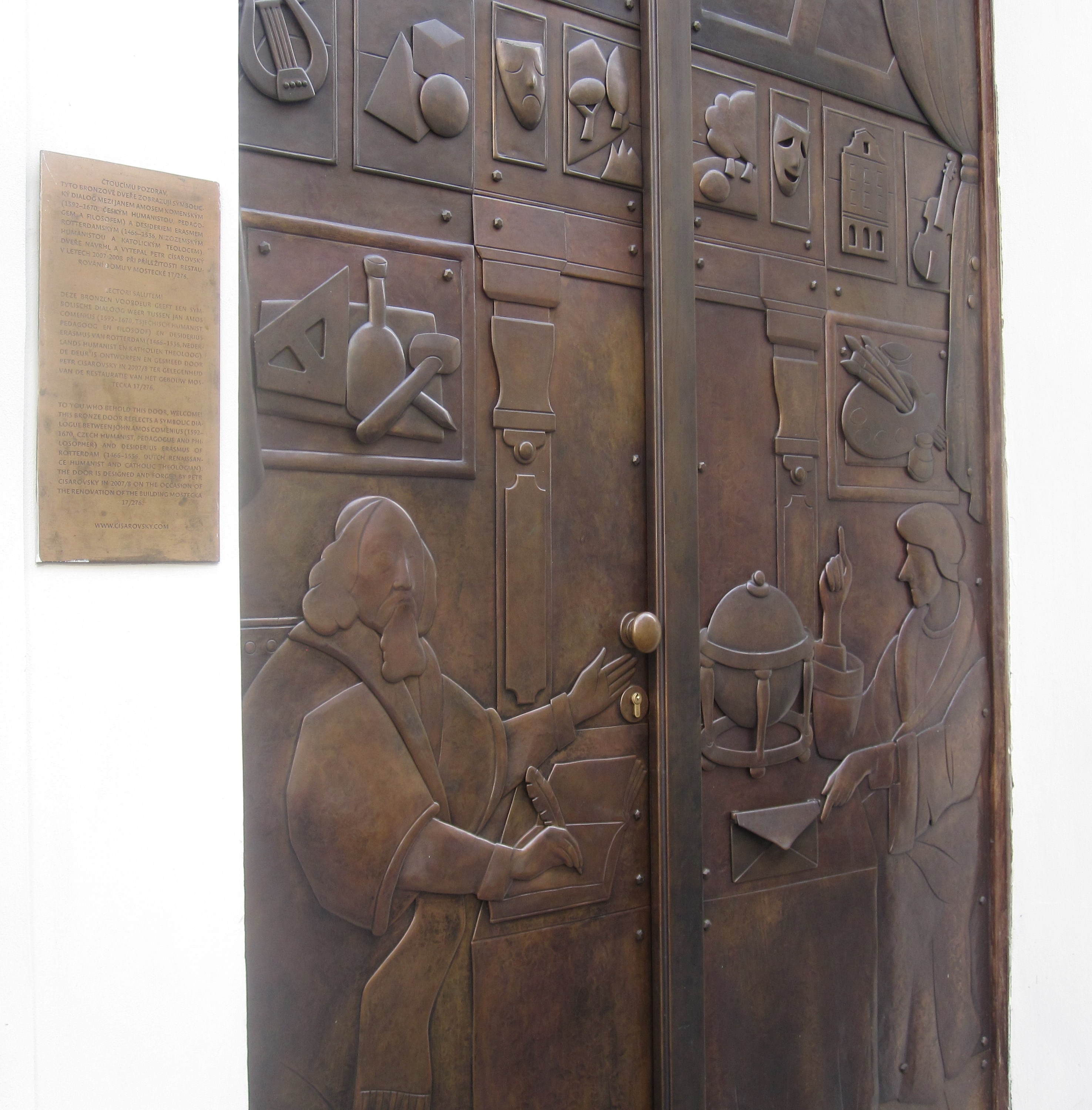
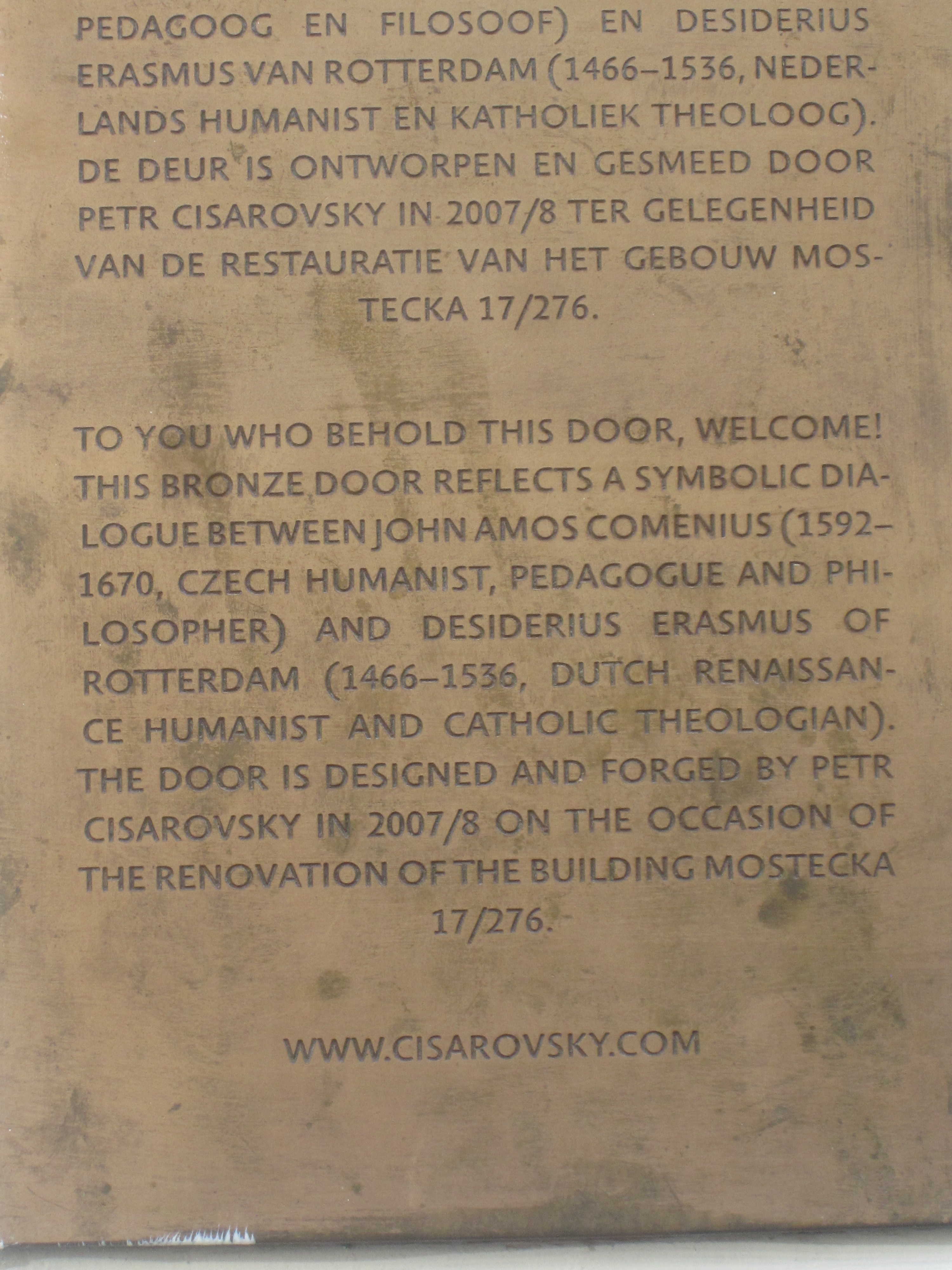
After walking through Charles Bridge, in one of those busy tourist streets, we found this interesting door. We were excited specially because of the Dutch connection – it had two great men recognised worldwide for their service to humanity – John Amos Comenius of Czech and Desiderius Erasmus of Rotterdam.  This door was designed for the co-owner of the particular house who is a Dutch man. It specially symbolises ties of two nations. My ignorance on the subject let me get into the website mentioned on the door to find some more interesting details.

The two never met and actually couldn’t have; Comenius was born 56 years after Erasmus’ death.

As it is generally known, it was in Holland that Comenius spent last years of his life, passed away there and is buried in Naarden.
Erasmus has always been read and translated in the Czech Lands and his Praise of Folly ranks among those precious books that never collect dust.http://www.cisarovsky.com/an/_realizace/text/text_lab.php?str=bl

the two scholars

details..

A wonderful trip, but good for us, did not end so soon. While we move to the next destination, let’s take a very short break! See you in Bratislava!

To be continued…

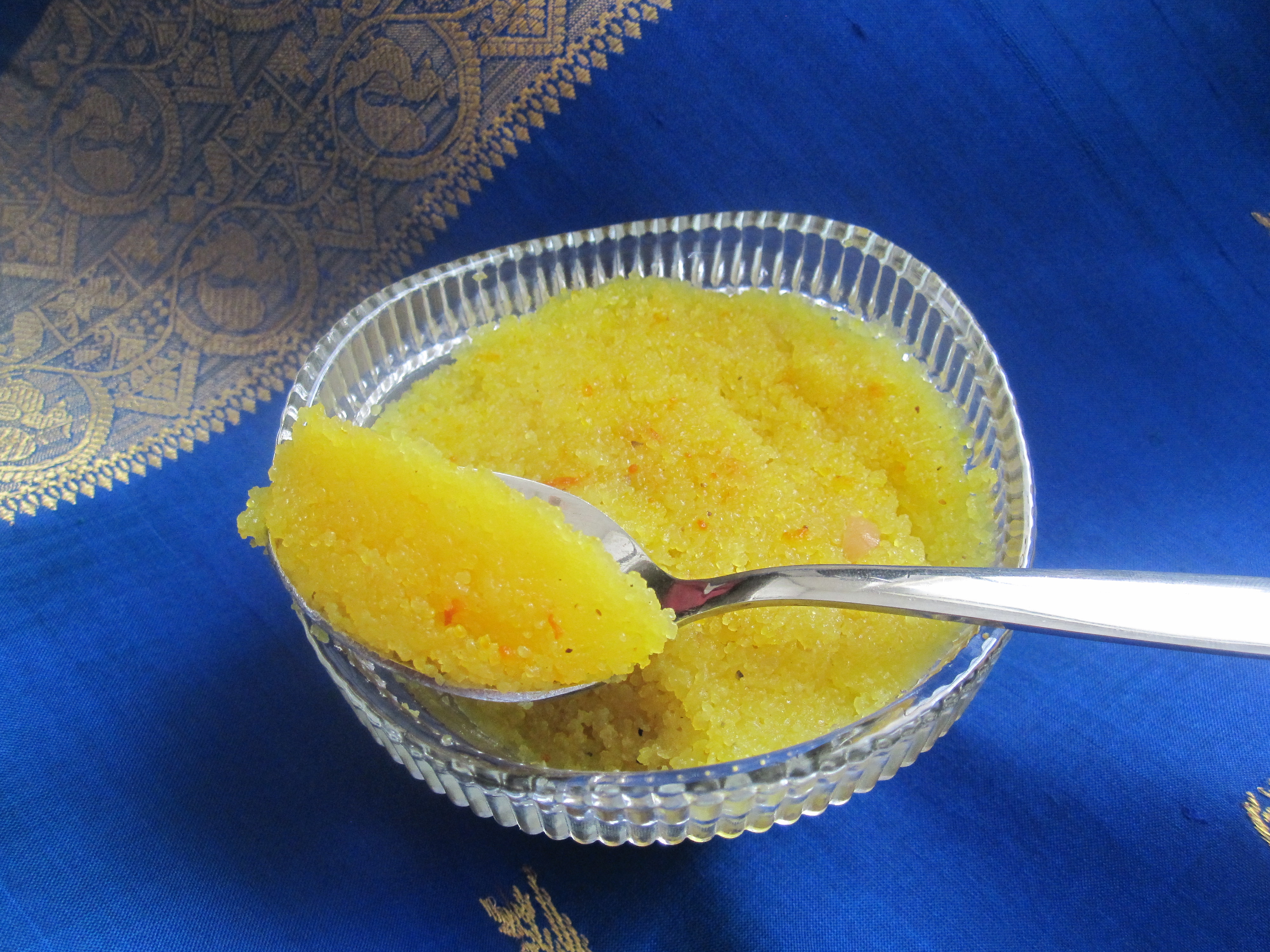
Ravai/Rava Kesari – Semolina Pudding


kesari


When we start anything new, we always start with a sweet. Now, when ‘dosaikal’ is stepping forward into another new year, let us enter with a sweet. Birthday of any member of the family or Marriage Anniversary is celebrated with the person/couple’s favourite payasam (of course cakes for youngsters in the evening); Entry into a new house – ‘pudhu manai pugu vizha’ in tamil or the house-warming ceremony is started in the new kitchen by boiling milk with sugar/jaggery flavoured with cardamom; Festivals begin with specific sweets of the occasion early in the morning. So, where does this Ravai/Rava Kesari come in ….?

It is a simple and quick sweet dish which accommodates itself on all occasions.

In marriage ceremonies, the morning breakfast served for guests in the ‘Thirumana Mandapam’ – Marriage Hall, would start with kesari; 

In some families, during the ‘bride seeing ceremony’ – when the family of the bridegroom visits many of those ‘expected eligible brides’ to choose a perfect life partner for their son – sojji (kesari) and bhajji (vegetable fritters) are served. Kesari is also known as ‘sojji’ – (must have come from the hindi word for ravai/semolina – sooji);

Sudden guests? – there is always the simple Kesari – quick and pleasing;

To start a breakfast feast menu, to go with a snack and filter kaapi (https://dosaikal.com/2011/08/18/the-morning-cup-of-coffee) for evenings or as and when to satisfy the urge of the extra sweet tooth – the versatile ravai/rava kesari is certainly a show stealer – and one of my favourite sweets.


The name Kesari

Kesar denotes Saffron.


The name saffron comes from Arabic, where the spice is known as za’fran that name derives from a Semitic root signifying “be yellow” or “become yellow”. Almost all European and several non-European languages have loaned that name. 

Several superficially similar Indic names of saffron (Sanskrit kesaravara, Hindi kesa, Urdu kisar) are, however, not related but derive from Sanskrit kesara “hair”, which refers to the thin, almost hairlike saffron threads.  (http://kesarwani.net/Pages/Etymology.aspx)


In Tamil, saffron/kesar is called kungumapoo – combination of kungumam and poo. Kungumam/Kumkum is the red coloured mark applied on the forehead, by women in India (mostly Hindus) and religiously by both men and women; Poo means flower. So, Kungumapoo means the vermilion coloured flower.

Kesar – kungumapoo – saffron is grown in Kashmir, a state in northern India. In the south of India, the world’s most expensive spice is used in rarity – I think mostly expecting mothers add to their glass of milk.

In North India, Semolina Pudding is called Sooji ka Halwa – literally translated as semolina halwa/pudding. Sooji ka Halwa does not have the touch of saffron – it has the subtle colour of roasted semolina in clarified butter. But, the south indian version of semolina pudding has the colour of saffron and hence it must have got its name KESARI. Nowadays, generally, orange food colour is added to Kesari for the colour. In many households, kungumapoo/saffron is added to give Kesari the original saffrony colour.

Now, to the making of Kesari!


Kesari

Ingredients (serves 6)

  • Ravai/Rava/Semolina (sooji) – 1 cup
  • sarkkarai/sugar – 1 1/2 cups (
  • thanneer/water – 4 cups
  • elappodi/cardamom powder – 1/2 tsp
  • nei/clarified butter – 1/2 cup
  • mundhiri/cashewnuts – 2 tbsp
  • kungumapoo/kesar/saffron – a few strands 


Method of Preparation

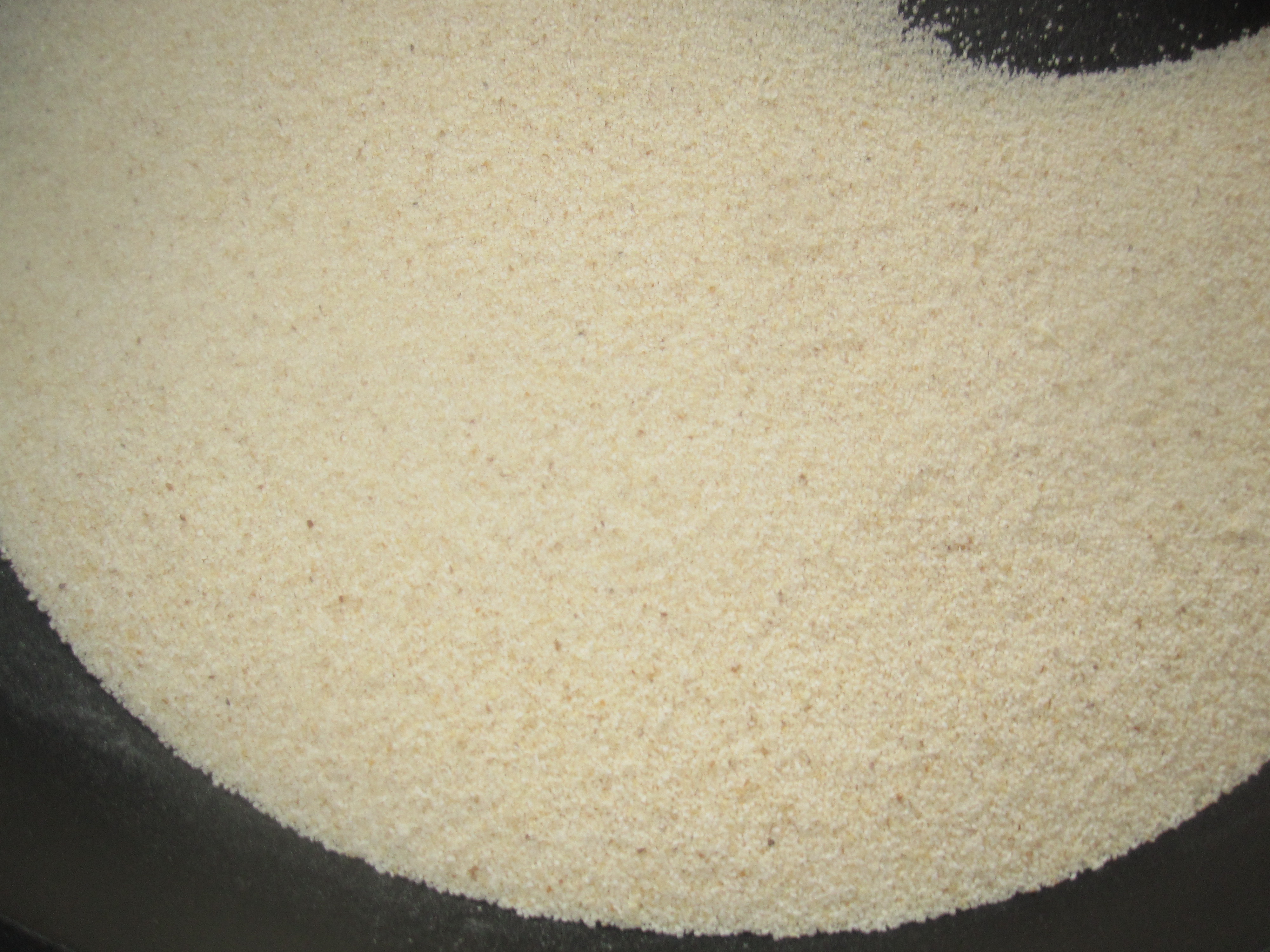
1. In a broad pan, roast ravai/semolina till it gives out a roasted aroma and starts turning golden brown (should not be completely golden brown)


2. Spread in a plate and keep aside


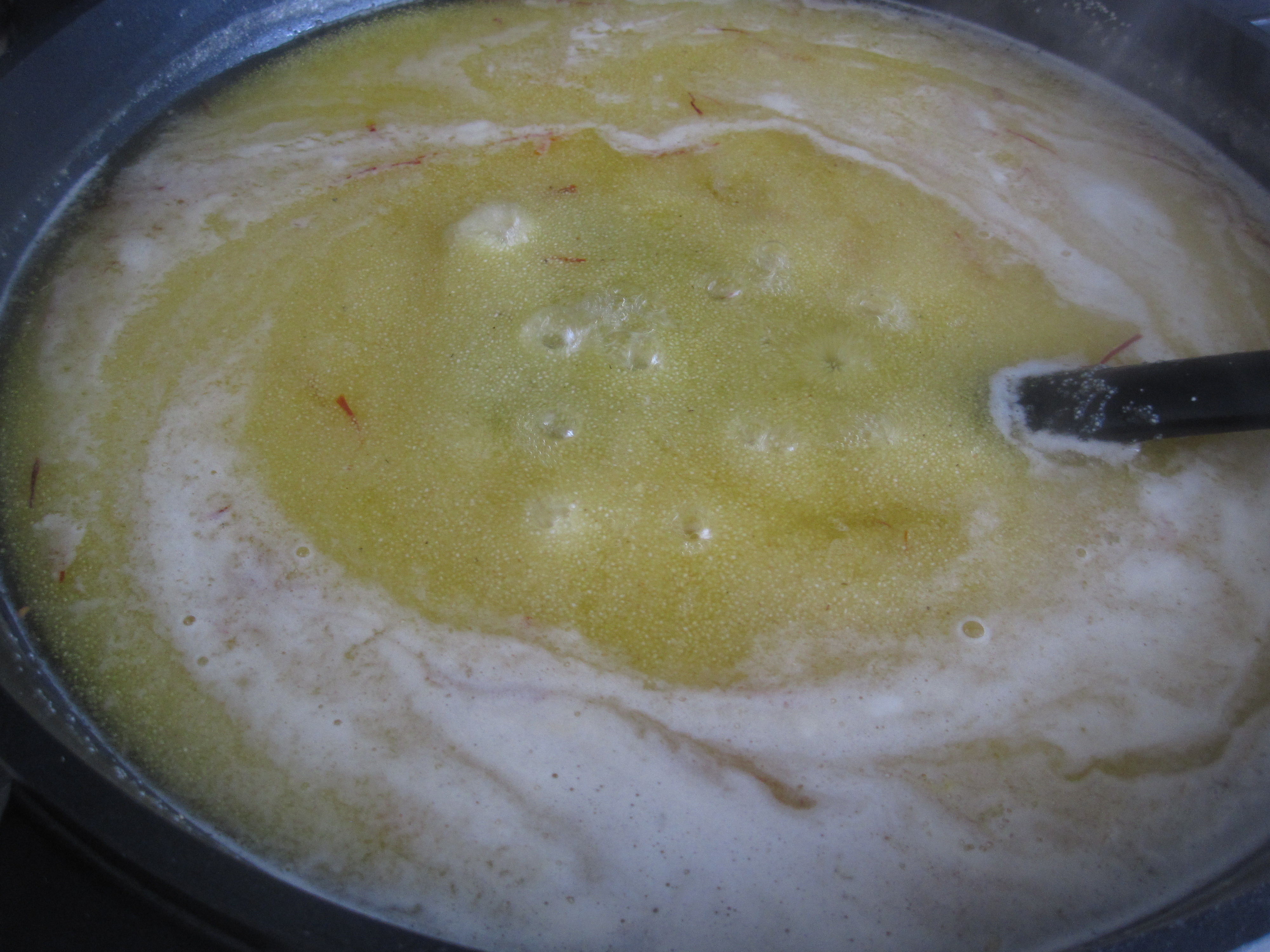
3. In the same pan, boil 4 cups of water, sugar, saffron strings and cardamom powder


4. Close the pan with lid to bring to a boil quickly 

5. Simmer stove at this stage

6. Slowly add roasted ravai- be careful with constant stirring as lumps form very easily (Add ravai with one hand and keep stirring with the other)


7. Keep stirring till ravai/semolina absorbs all water and comes to a thick consistency

8. Do not forget to stir continuously till the whole mixture thickens

9. As soon as the mixture is thickened, immediately in another stove,  fry the cashew nuts in nei/clarified butter (let the stove be in sim position only)

10. Pour this into the nearly done kesari and mix well


11. Close the lid and cook for nearly five minutes

12. After the addition of nei/clarified butter, the texture of kesari reaches the much awaited ‘melt in the mouth consistency’


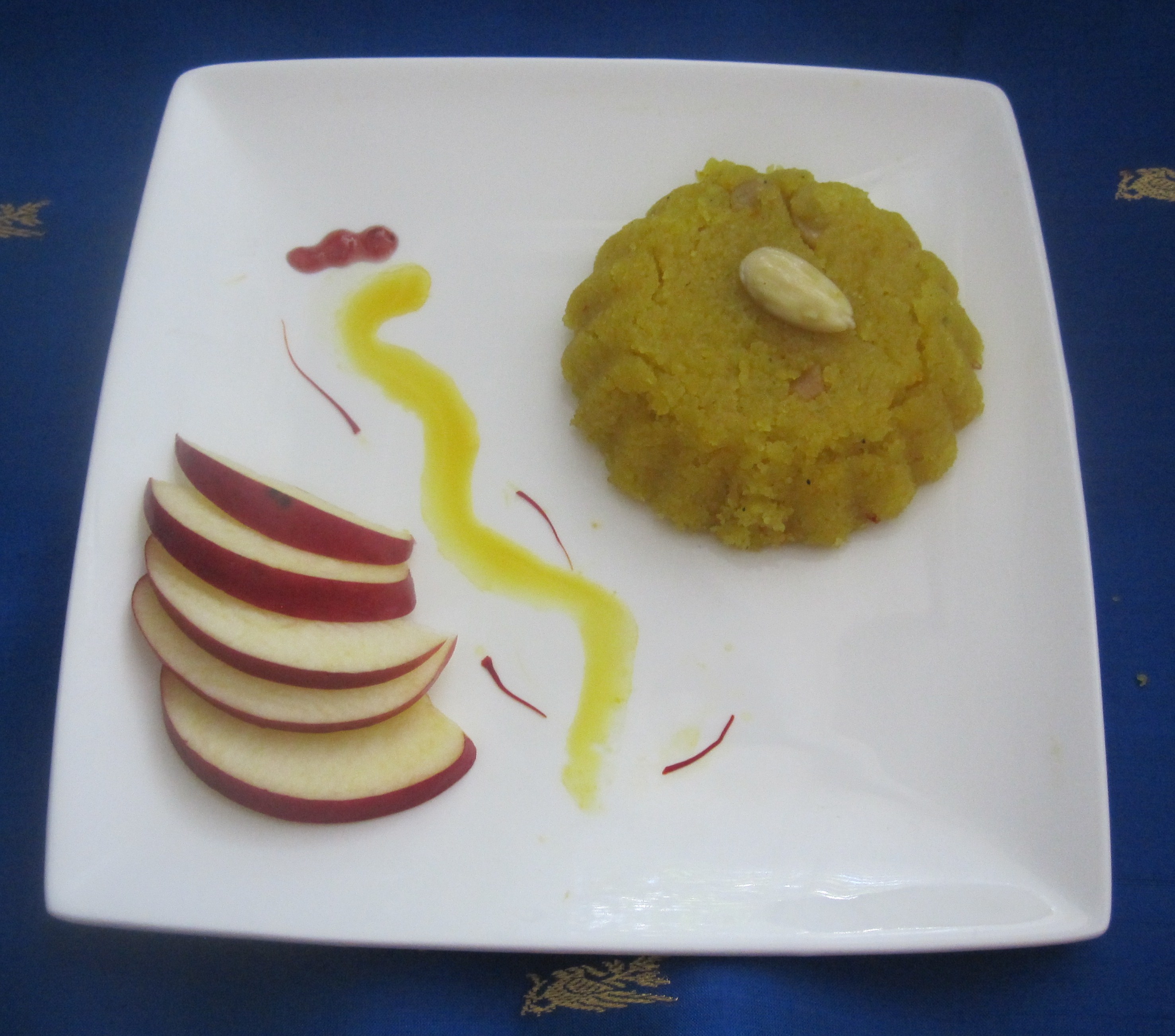
13. Serve hot for a heavenly taste

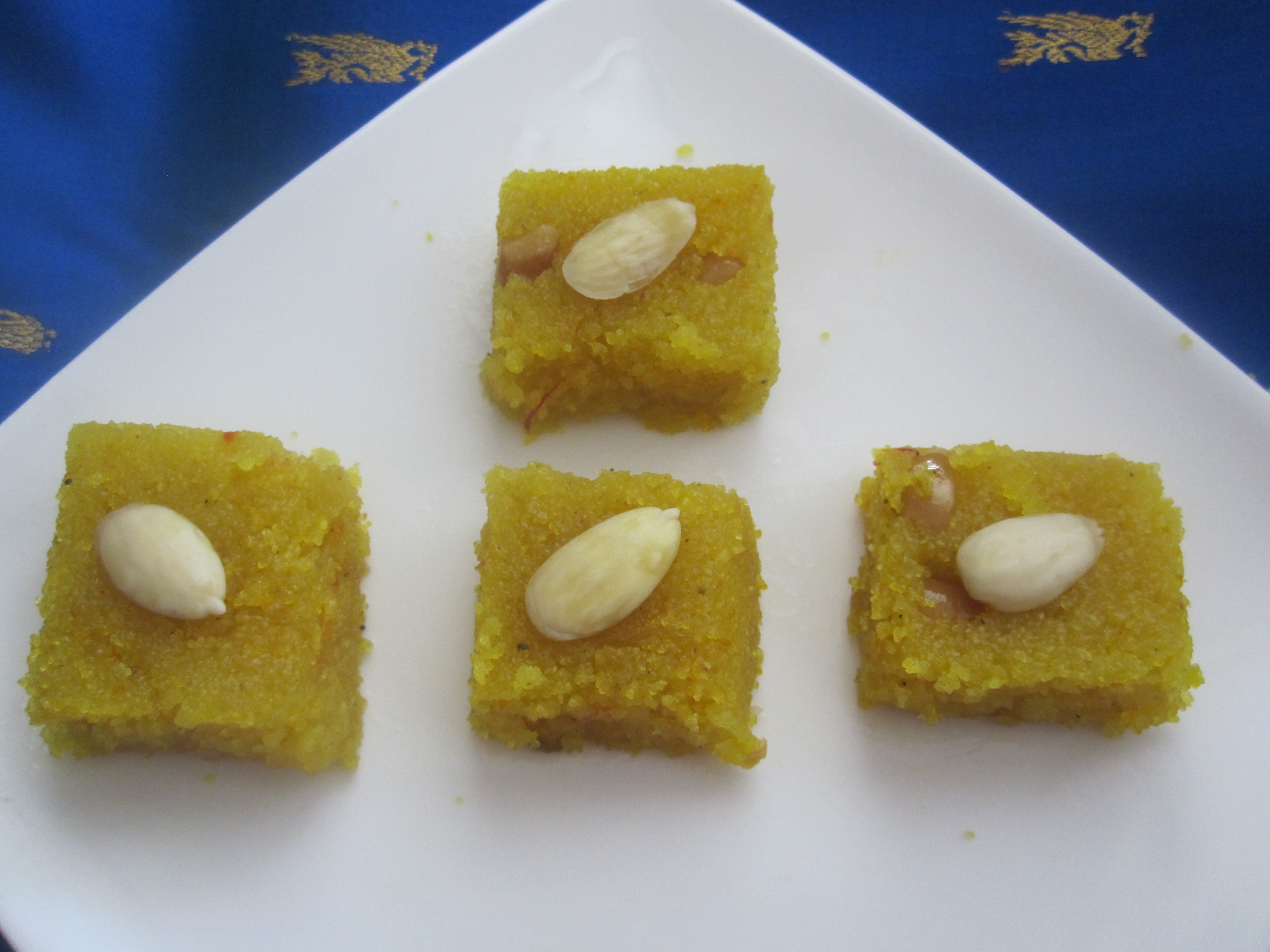
14. Alternatively, cool kesari and cut to required pieces and garnish with almonds.


or serve as you wish!


Note:

  1. Though Ravai Kesari is a very easy sweet – lumps form very easily when ravai/semolina is getting cooked. To avoid this, stirring continuously is the only remedy
  2. While roasting, be cautious not to let ravai brown too much
  3. Generally, 3 cups water is taken for 1 cup ravai; I find this level insufficient for a super soft kesari. So, I use 4 cups of water, which lets ravai/sooji/semolina cook well and would not let semolina thicken before getting cooked
  4. Though quantity of nei/ghee/clarified butter can be reduced as preference, the above mentioned ‘melt in the mouth’ consistency would be compromised…so, the choice is yours
  5. If the last method of frying cashew nuts in nei seems complicated with kesari in one stove, one may roast cashewnuts separately and then heat the nei separately to add to kesari 
  6. Always pour hot nei/ghee/clarified butter into cooked kesari to bring out the best consistency.

Nanri! – dosaikal completes a year!


Nanri is a very special word in Tamil language…it means Thankyou.

Today,  ‘dosaikal’ completes a year, it is truly a very happy feeling.  As a child grows up, parents remember the elated emotion when the child was born… but from a new born to infant, infant to toddler, toddler to pre-schooler, pre-schooler to schooler and an adolescent – the transformation is as fast as a blink.

It was exactly a year ago that I wrote my first article in dosaikal and now it is a full circle of 365 days! Every year on my birthday.. it is usually a mixed feeling – one of celebration and other of growing older. Ofcourse, the former overrules the latter!

With dosaikal’s birthday – it is again a kind of mixed feeling – one of jubiliation and delight and the other of more responsible writing.

My heartfelt thanks to every reader who has lent his/her valuable time to spend some time in by blog. Their patience to read and come back to read again means a lot to me.

My special thanks to my subscribers who have given me the confidence, enthusiasm, vigour and motivation to express my passion in words. That is why, this ‘NANRI’ is not a simple word – it is a special word and a special emotion.

Amma holds a special position. She explains the perfect methods of making a delicacy and I try completing it to atleast half perfection. A very special nanri to Amma and Aachi, my true inspirers.


As a proud Tamil person, I take the support of ‘Thirukkural’ to convey my gratitude –


Thirukkural is the masterpiece of Tamil literature with the highest and purest expressions of human thought. It is written in the form of couplets (two line poems) expounding various aspects of life. It contains 1330 couplets, divided into 133 chapters of 10 couplets each.

Thirukkural was written by Thiruvalluvar. We find Thiruvalluvar as a moral philosopher, political scientist and master of public administration in the first two parts of Thirukkural. We find him to be a creative artist in the third part, depicting the fascinating aspects of lovers.

Thirukkural’s immortality and universality are unquestionable. Its ethics and values are applicable to all religions, countries and time. It has been translated in over 60 languages of the world.

http://www.tn.gov.in/literature/thiruvalluvar/thiruvalluvar.htm


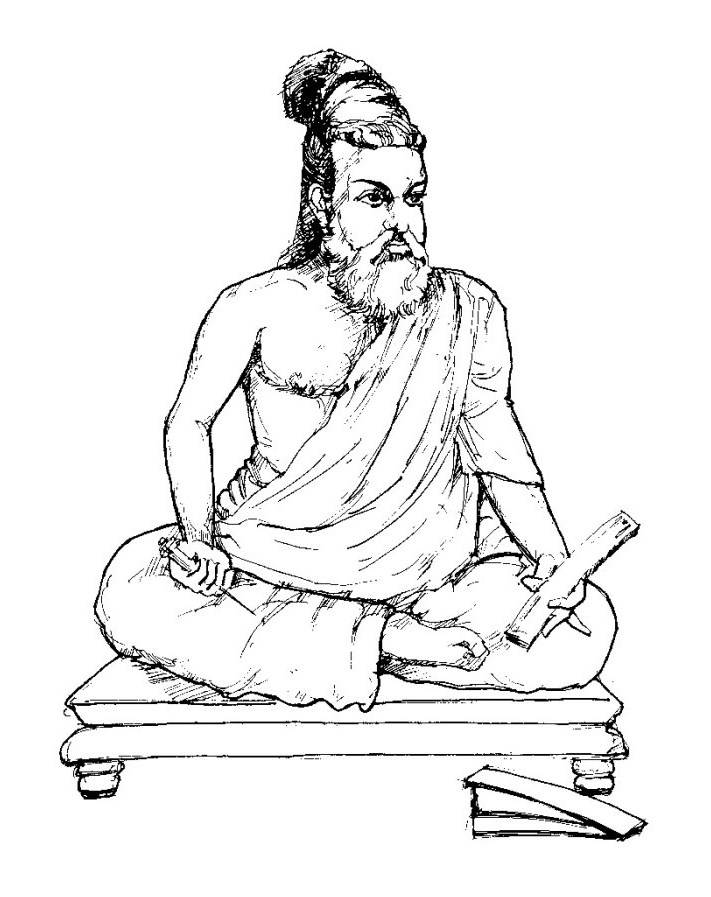
picture of thiruvalluvar

picture courtesy: http://s44.photobucket.com/albums/f11/ponnusamychandran/Line%20drawing/?action=view&current=Thiruvalluvar.jpg&sort=ascending


It is generally reckoned that Kural was composed during the Sangam Period of literary development in Tamil (500-200 BC).

http://acharya.iitm.ac.in/tamil/kural/kural_ref.php


Among the 1330 couplets, kurals 101 to 110 under the title ‘sei nanri aridhal’ or Gratitude talks on importance of gratitude.


This one is for my beloved friend Oz, who helped me in starting this food blog. A fine, popular and sort after food blogger (www.kitchenbutterfly.com) herself, took the pain of explaining me the nuances of blogging. Infact, I registered this blog with Oz helping me in the procedures. Thankyou Oz!

Kural 102

காலத்தி னாற்செய்த நன்றி சிறிதெனினும்
ஞாலத்தின் மாணப் பெரிது.

kaalathi narsseitha nanri siritheninum

gnalathin mana perithu


Translation:

A timely benefit, -though thing of little worth,
The gift itself, -in excellence transcends the earth.

Explanation:

A favour conferred in the time of need, though it be small (in itself), is (in value) much larger than the world.

Nanri Oz!


This one is for all my subscribers and readers –

Kural 103 

பயன்தூக்கார் செய்த உதவி நயன்தூக்கின்
நன்மை கடலின் பெரிது.

payanthookaar seitha uthavi nayanthookin

nanmai kadalin perithu.


Translation:

Kindness shown by those who weigh not what the return may be:
When you ponder right its merit, ‘Tis vaster than the sea.

Explanation:

If we weigh the excellence of a benefit which is conferred without weighing the return, it is larger than the sea.

Nanri Friends!


Thanking my husband and lovely daughter … would be like thanking myself… but these verses of Thiruvalluvar explain the beauty of the relationship.

Kural 45

அன்பும் அறனும் உடைத்தாயின் இல்வாழ்க்கை
பண்பும் பயனும் அது.

Anbum aranum udaithayin ilvazhkkai

panbum payanum adhu.


Translation:

If love and virtue in the household reign, This is of life the perfect grace and gain.

Explanation:

If the married life possess love and virtue, these will be both its duty and reward.


All verses of Thirukkural, Translation and Explanation taken from http://www.thirukkural.com/


Nanri! Thankyou! Keep encouraging me to communicate my passion in words !


The Dutch Dairy


  • Milk and dairy products are providers of calcium, phosphorous, magnesium and protein which are all essential for healthy bone growth and development.
  • The most abundant protein in milk is casein and is protective as it forms a thin film on the enamel surface which prevents loss of calcium and phosphate from the enamel when the teeth are exposed to acids in the mouth.
  • Studies have shown that high calcium intakes may reduce high levels of bad cholesterol in the blood, and increase low levels of good cholesterol both of which are known risk factors for cardiovascular disease.
  • Contrary to popular belief, research has shown that people who consume milk and dairy foods are likely to be slimmer than those who do not.
  • Regular consumption of low fat dairy products can help to reduce the risk of type 2 diabetes, which has been a longstanding problem in adults, and is becoming increasingly common in children and adolescents.
  • There is considerable evidence to suggest that milk has a protective effect on risk of both colorectal and breast cancer with increased intakes.

http://www.milk.co.uk/page.aspx?intPageID=73

World Milk Day was celebrated on the 1st of June. I thought this was the right time to write about the speciality of the Dairy Industry in the Netherlands.


The first World Milk Day was held in 2001. FAO (the Food and Agriculture Organisation of the United Nations) proposed this specific day to celebrate all aspects of milk; the natural origin, the nutritional value, the numerous tasty products which are liked by many people all across the globe, the economic importance of milk in rural regions as well as in the entire food chain. (http://www.frieslandcampina.com/english/about-milk/wiki-a-z-index/en/w/world-milk-day.aspx)


When we came to Holland, one of our neighbours took me to the nearby farm, where I could get pure cow’s milk and cheese.   Getting milk directly from farm…. reminded of my childhood days at my maternal grandparents’ house. I remember as a child playing, hearing to stories from chithies (maternal aunts) and even being fed breakfast and lunch in the cow shed… seeing those innocent faced cows and calves. Though my daughter finds this very different and interesting to be fed in a cow shed?!


The back portion of the really big house was the cow shed… spacious for many cows but thatha (grandfather) had two or three cows. Early in the morning, konar ( traditional herdsmen, who come to houses to milk the cows) used to be the first person to ring the door bell. He would milk the cows and leave. When we woke up, we would find the big brass pots filled with foamy fresh milk. Then, the milk would be boiled – children get plain milk and adults, their frothy filter kaapi (the-morning-cup-of-coffee/). 

In the port city of Thoothukudi, lies our thatha veedu – grandpa’s house.  The first drawing-room of the house, called the ‘tharsa’ is meant for formal and non-familial guests. In the morning hours, it is a special room for those special friends of thatha who would come to discuss problems and to find definite solutions to national and international issues.  Here, there is non-stop supply of milk and kaapi as per preference of guests… when the other part of the house is busy getting ready to go to college and school. I think, thatha veedu used to compensate for the lack of parks or beaches – the main chatting spots of elderly members of the locality.

Coming to the milk story –

forms the important phases in the life of the brass pot/pots of milk, milked by konar early in the morning.  Not to mention the last litres of the day’s milk, which would be converted to sunda kaichina pal – thickened milk with/without sugar -bed time drink for the 15 member family.

Left over full cream yoghurt would be diluted to buttermilk and churned every morning in turns, by the ladies of the house to make butter. Later, when I grew up in Chennai, cream was removed from the boiled milk and stored in the freezer; then fermented with some yoghurt overnight, and churned/beaten in the mixer jar to get precious butter.

Influenced by the cow shed and milk experiences in grandpa’s home, having cows in my backyard and making all possible by-products at home continues to be my dream till today. Hence, wherever we have lived, I would first trace the possibilities of fresh milk and next – collect cream in the freezer, make butter, then boil the butter to get nei -ghee/clarified butter.  And making yoghurt at home is an everyday routine in almost every household in India!

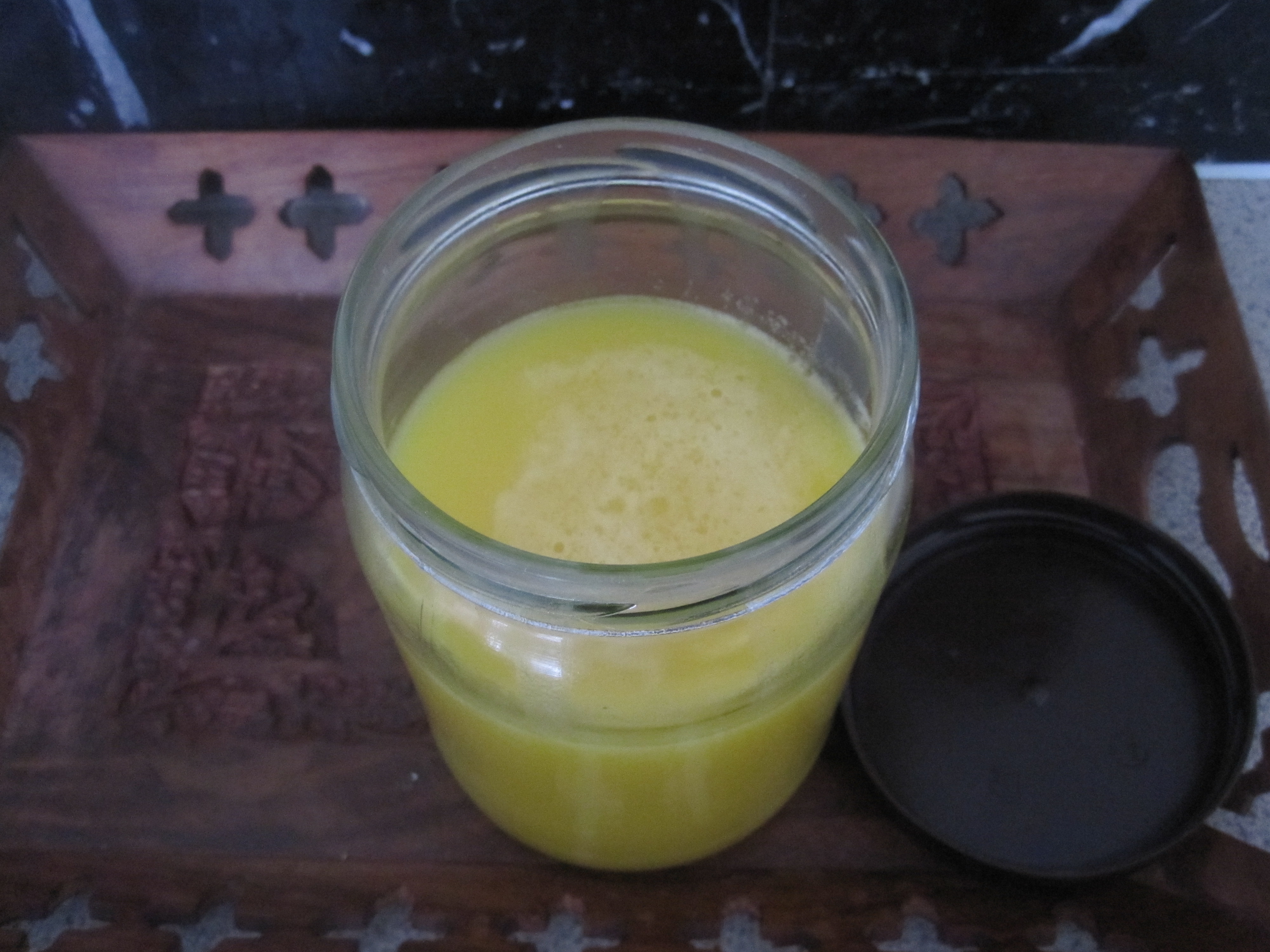
nei/ghee/clarified butter


Now, when I came to the Netherlands, where everything is available fresh in the supermarkets… I felt those farms which were nearly 15 minutes walkable distance from our house was god sent. In appreciation of my childhood, teenage and adulthood unvanished dream, God had given this opportunity to buy fresh milk, boil, preserve cream, make butter, boil it to ghee….. same as thatha veedu – grandpa’s house!! I was truly elated. Thus started my milky milk journey in the Netherlands – Appreciation of farm fresh milk and its various usages – everything under one roof – MY HOME!

It was after a year and many months, that a wise soul – a truly practical friend of mine – brought to light the easy ways of getting everything from the super market – especially when there is no helping hand as in India. I thought for a few more months and switched over to milk, cream and butter from super markets. My work drastically reduced, but I felt terribly guilty of doing injustice to those farm cows… who would be deprived of my untold love and appreciation. Though I am an enlightened soul now – dependent on the super markets, I do pay a visit now and then to buy some fresh milk from the farm nearby. Because, the freshness of milk and everything else which comes from it is simply incomparable.

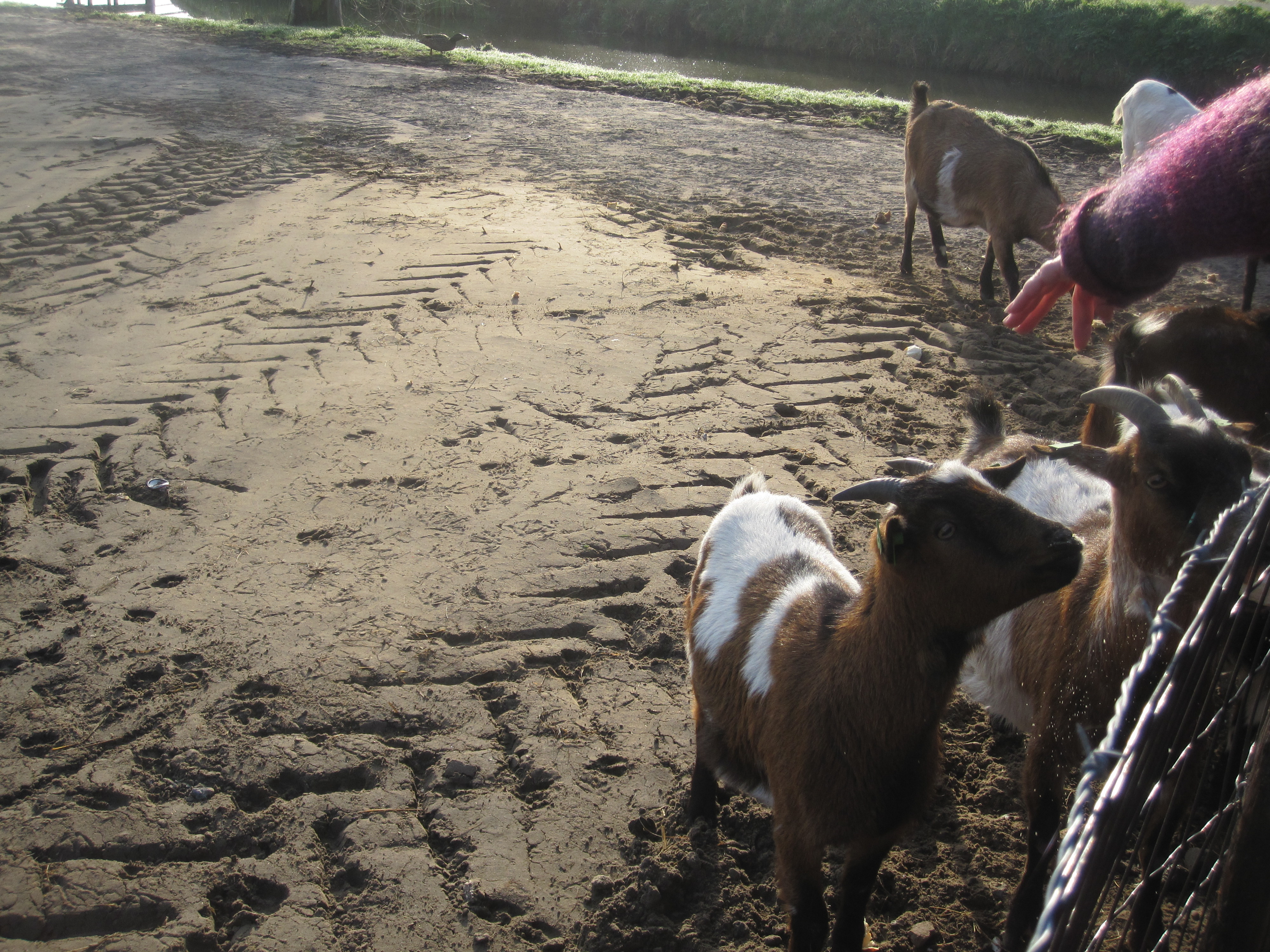
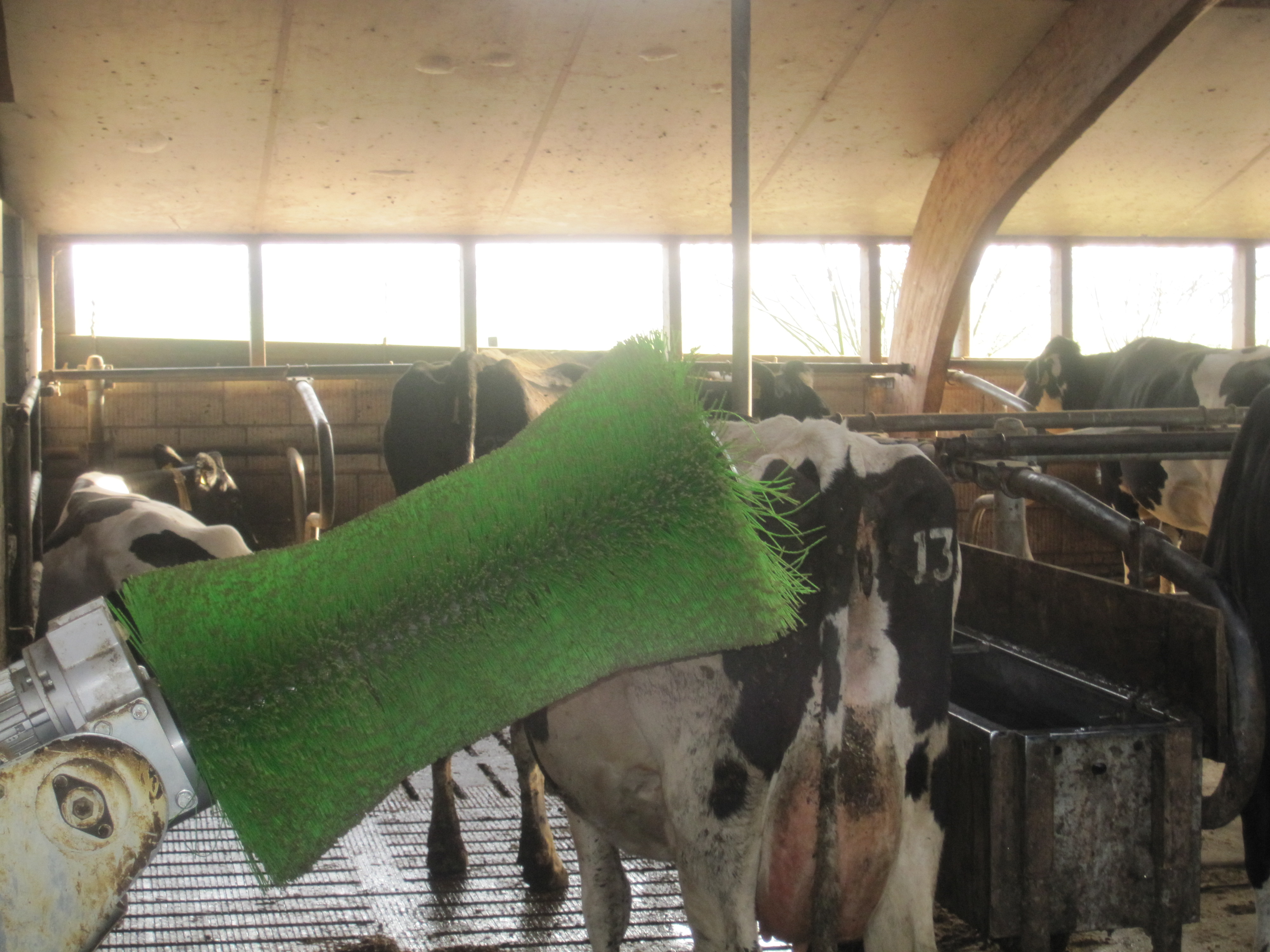
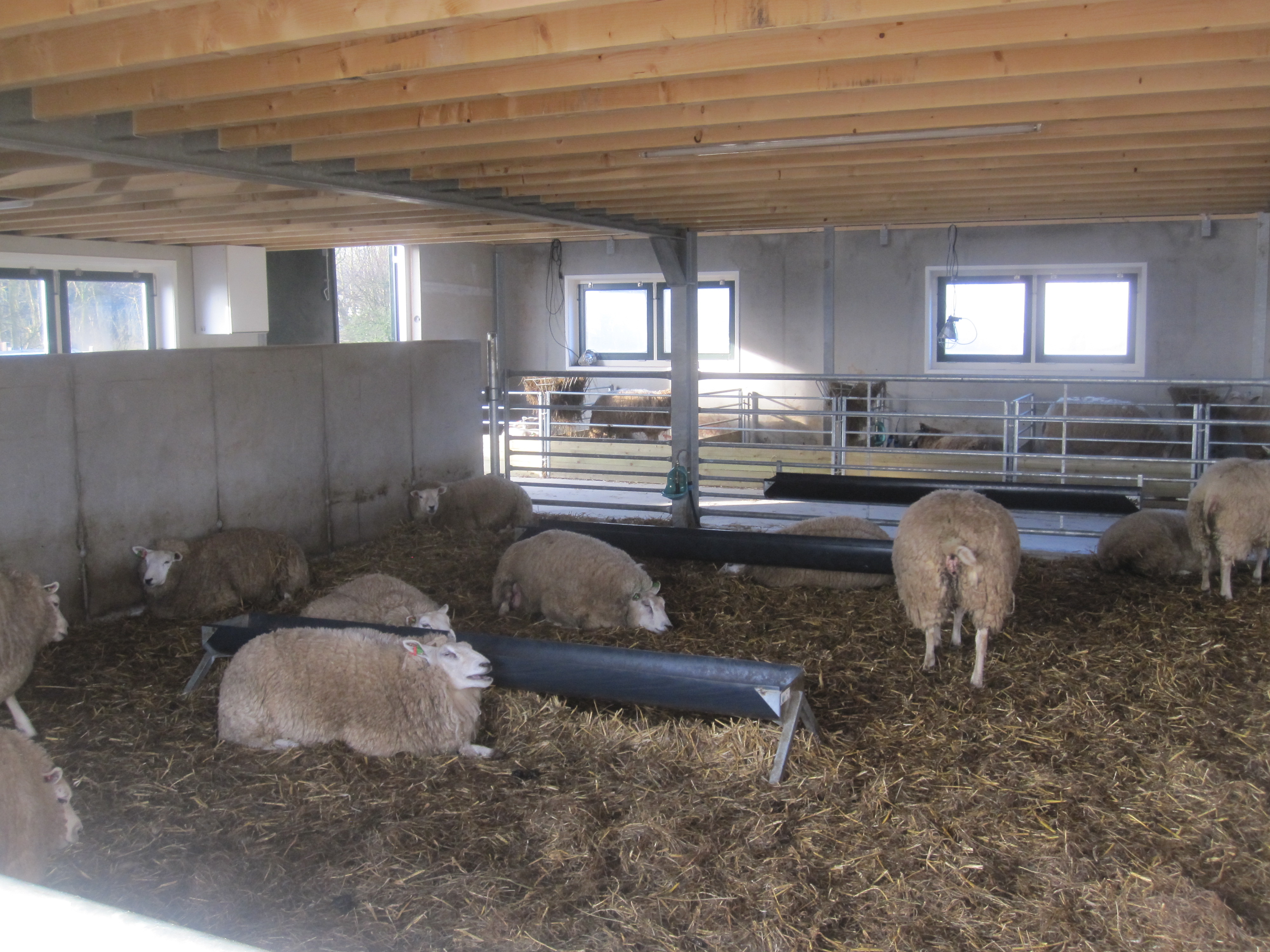
Here are a few pictures of the farm we visit –


goats…


sheep..


and the very special cow comfort brush


Dutch Dairy

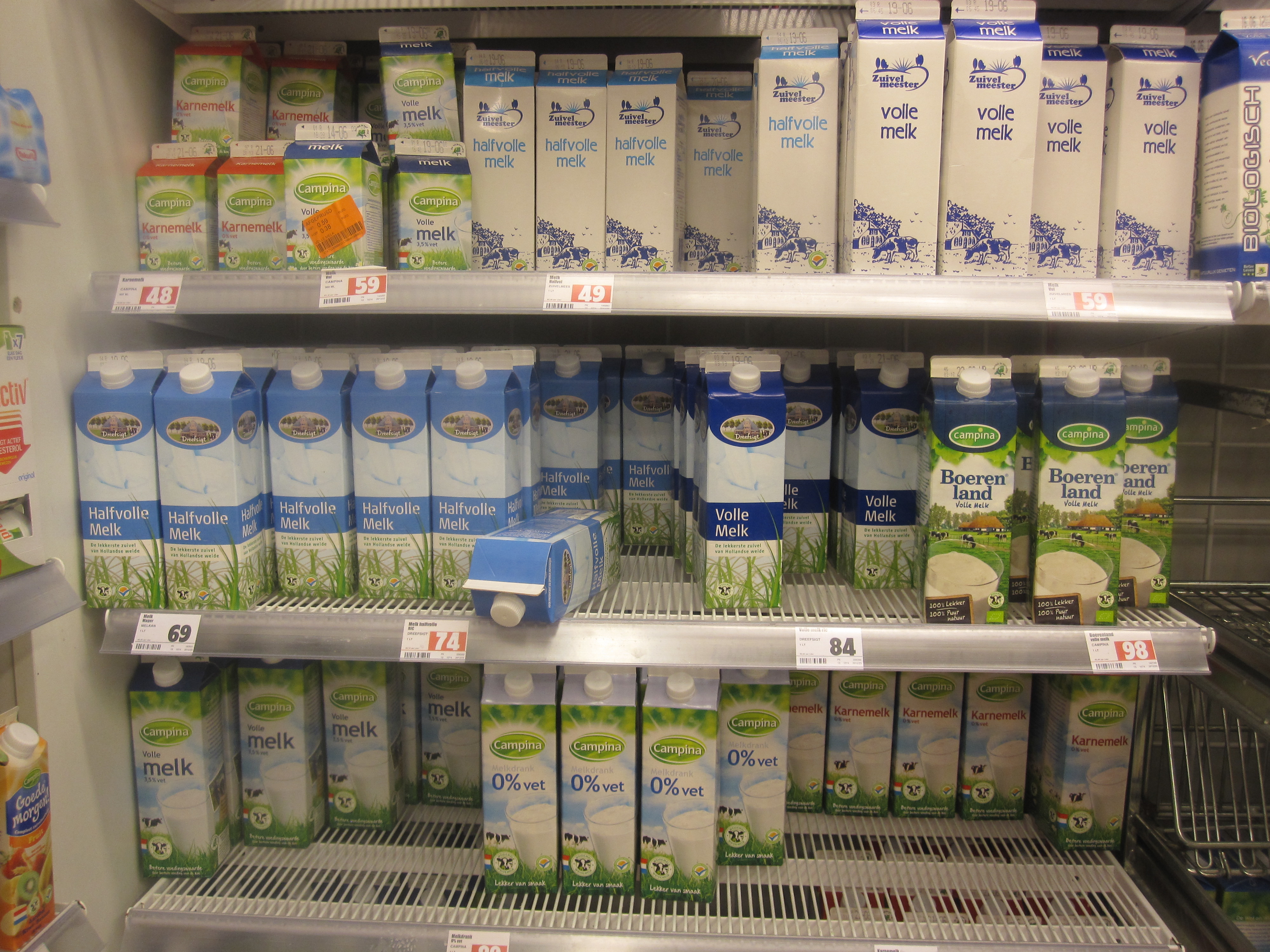
The milk products section in the supermarkets here in the Netherlands speaks the success story of the Dutch Dairy Industry. When I close my eyes and think about the Dutch landscape –  in the background of a delightful blue sky, luscious green pastures and the patiently grazing cattle is what comes to my mind.  The cow is certainly given a very high position by any dutch individual.


fresh milk cans


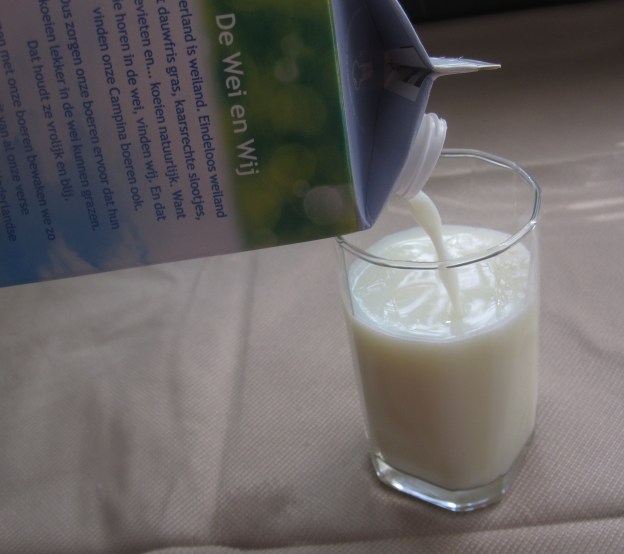
fresh milk in tetra packs


Celebrated as the world champion of milk production and cherished as the national favourite animal, the Dutch cow is almost sacred. The statues erected here and there speak volumes; the Dutch are proud of this die-hard symbol of Dutch prosperity. This love affair does not run deep, however. The Dutch like their steaks. The Netherlands has four million cows and thirty thousand dairy farms; The Dutch dairy cow produces 35 litres every day – a world record.

taken from the book – The Dutch, I presume?Icons of the Netherlands by Martijn de Rooi, Jurjen Drenth and friends


The amazing varieties of milk products available in the Netherlands is not a new scenario. Many experts emphasise that dairy production has been a speciality of the Netherlands for centuries.

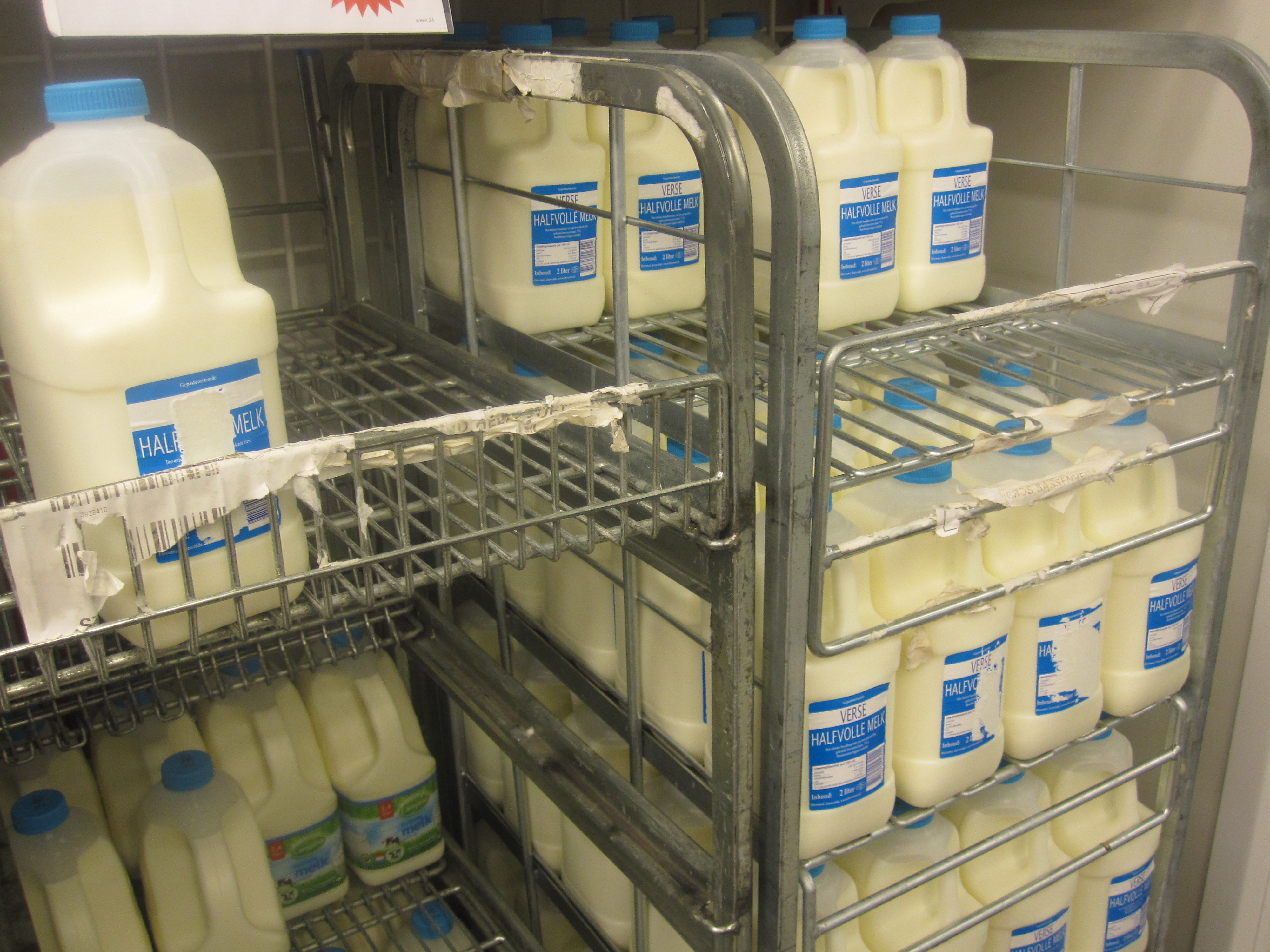
Fresh milk in cans (2.4 lrs and 2 lrs), fresh milk in tetra packs (1 lr. and 2 lrs) – categorised as full cream milk (volle melk), semi skimmed milk (half volle melk), low fat milk or 0% fat milk (magere melk) is the basic form of milk available in super market.

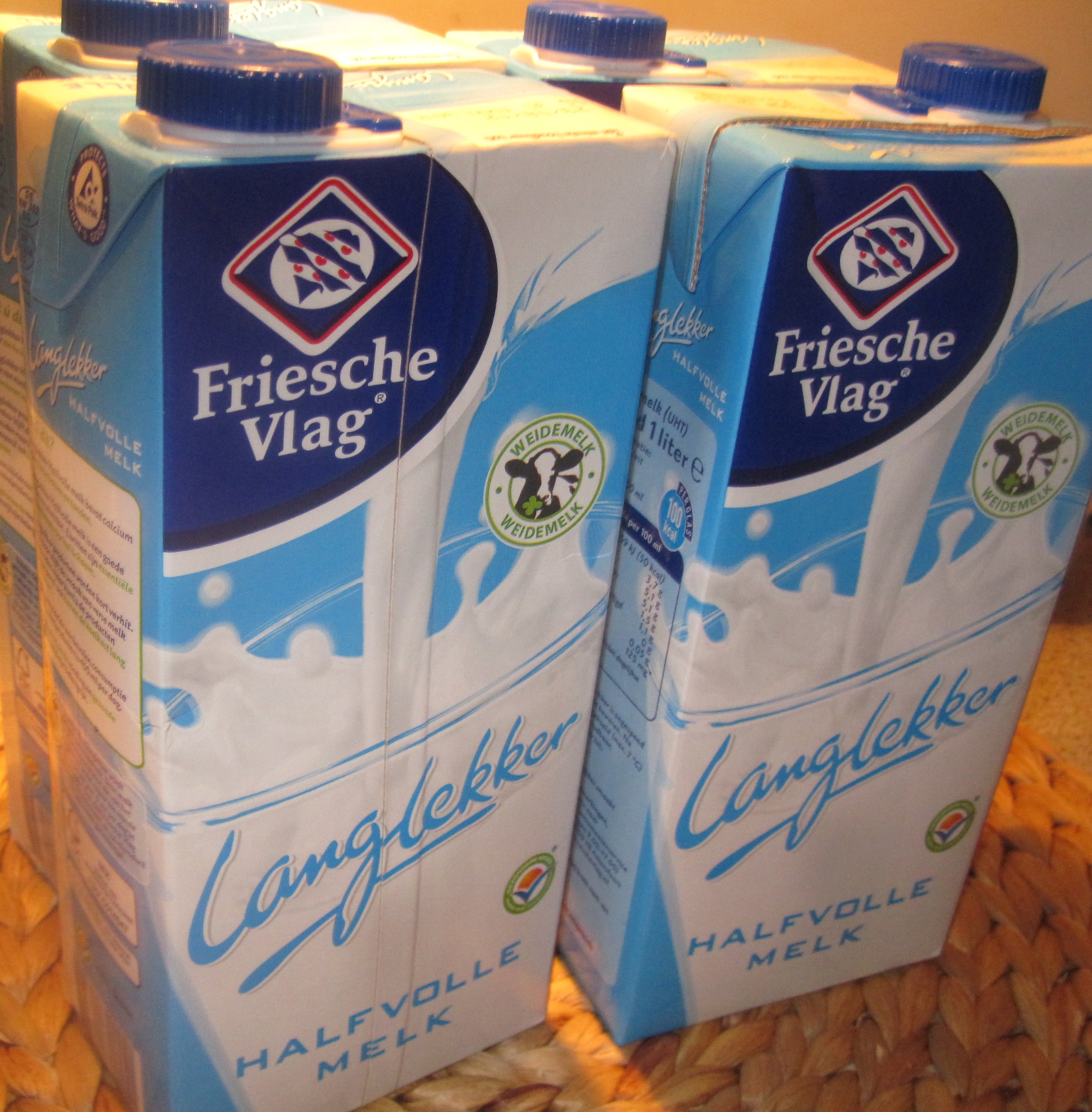
Apart from the fresh milk stored in the chilled food section, the above mentioned categories of milk are also available in the non-chilled area as Langlekker Melk – or the storable milk with its expiry date. Fruit flavoured milk drinks are a treat to taste buds.


storable langlekker milk


low-fat milk


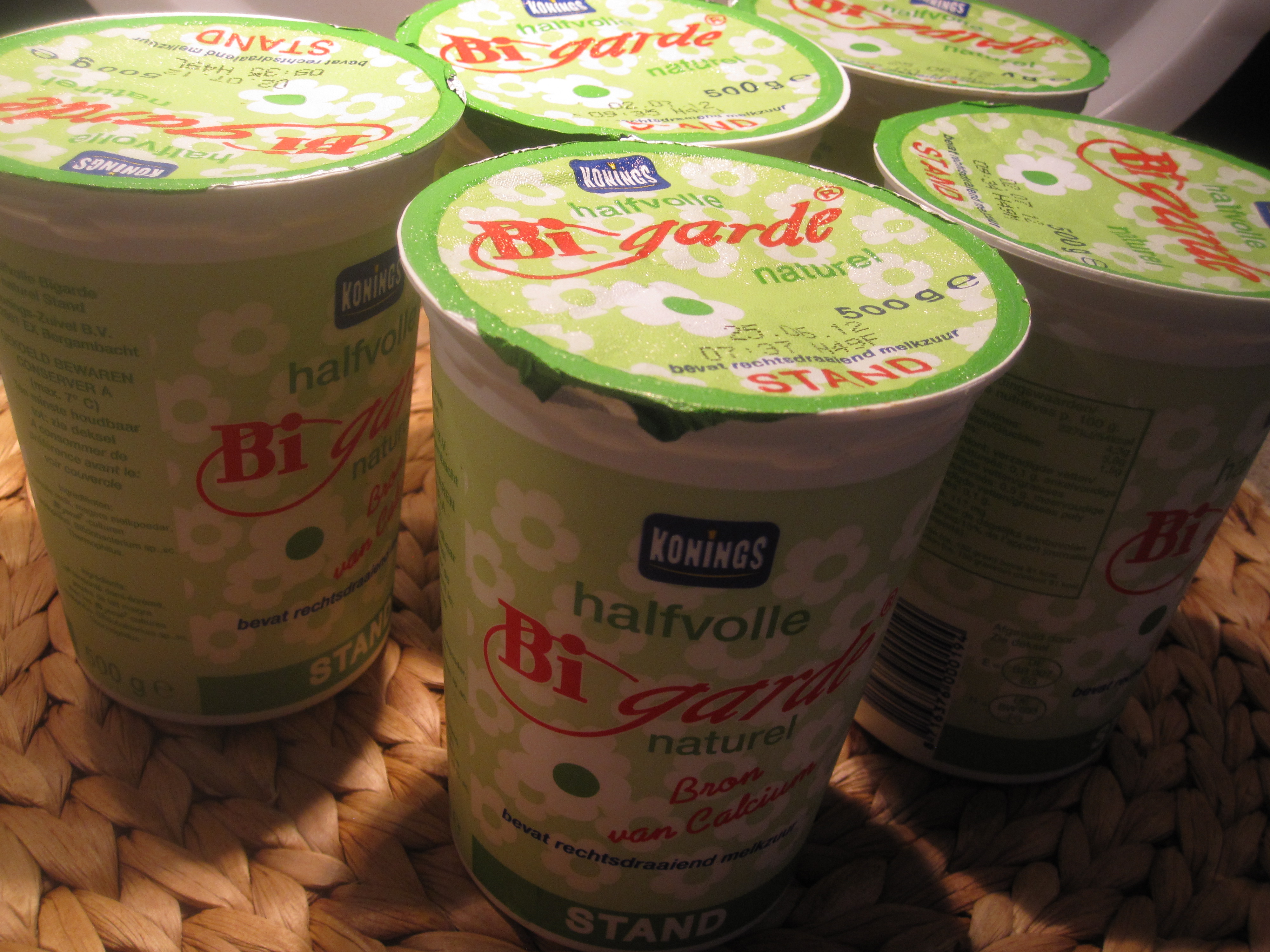
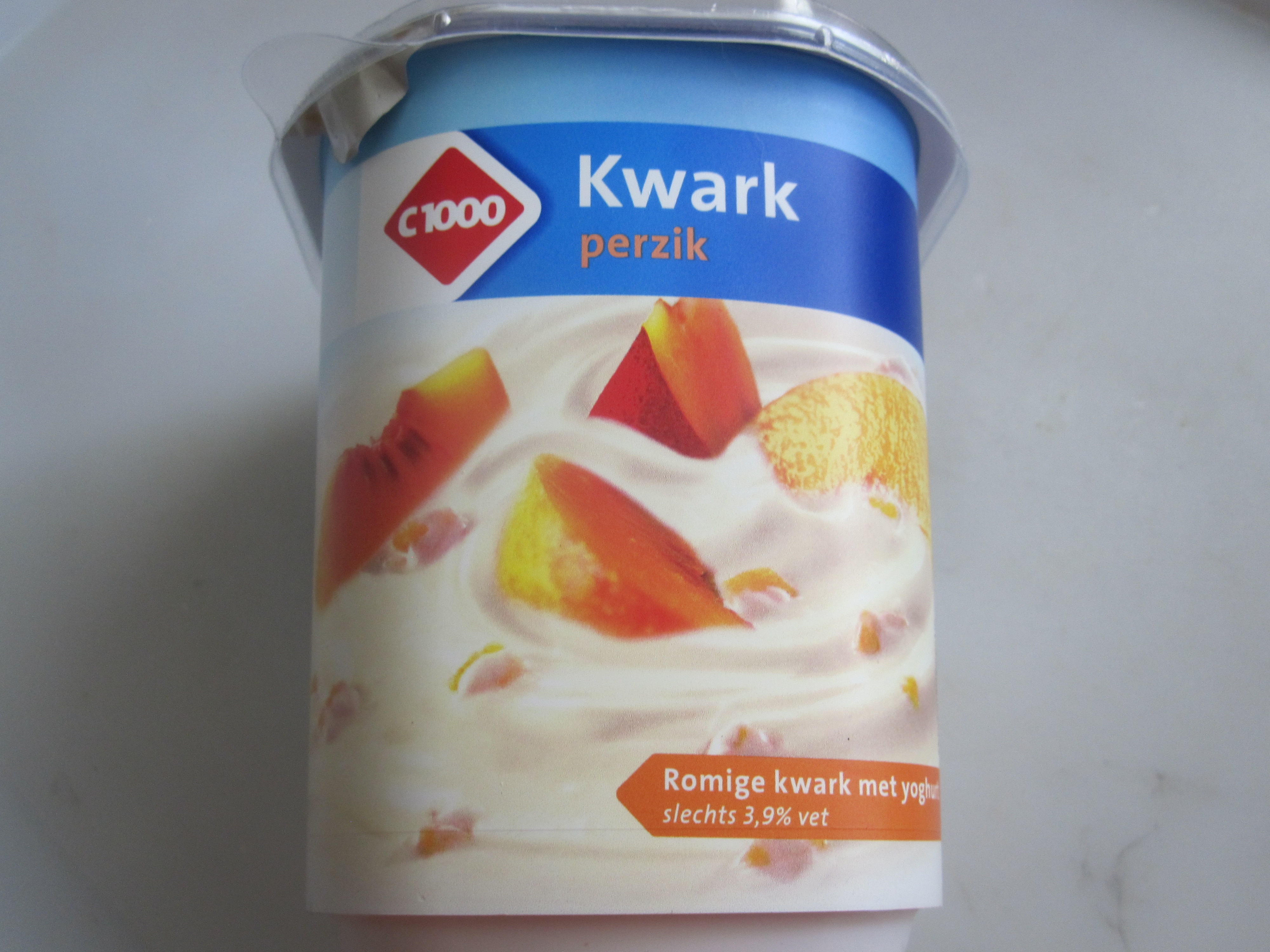
Different kinds of yoghurt – full fat greek or stand natural, fruit flavoured yoghurt, quark, or flavoured yoghurt drink – the list is too long. The stand natural yoghurt is similar to the Indian set yoghurt and hence I find many Indians prefer this. There is also the free-flowing roer yoghurt suitable to make more kuzhambu(https://dosaikal.com/2012/05/10/mor-kuzhambubuttermilk-curry/). Yoghurt in combination with fresh fruits, readily available fruit flavoured yoghurt or quark is also served as a dessert after a Dutch meal.


set yoghurt as in India


peach flavoured quark


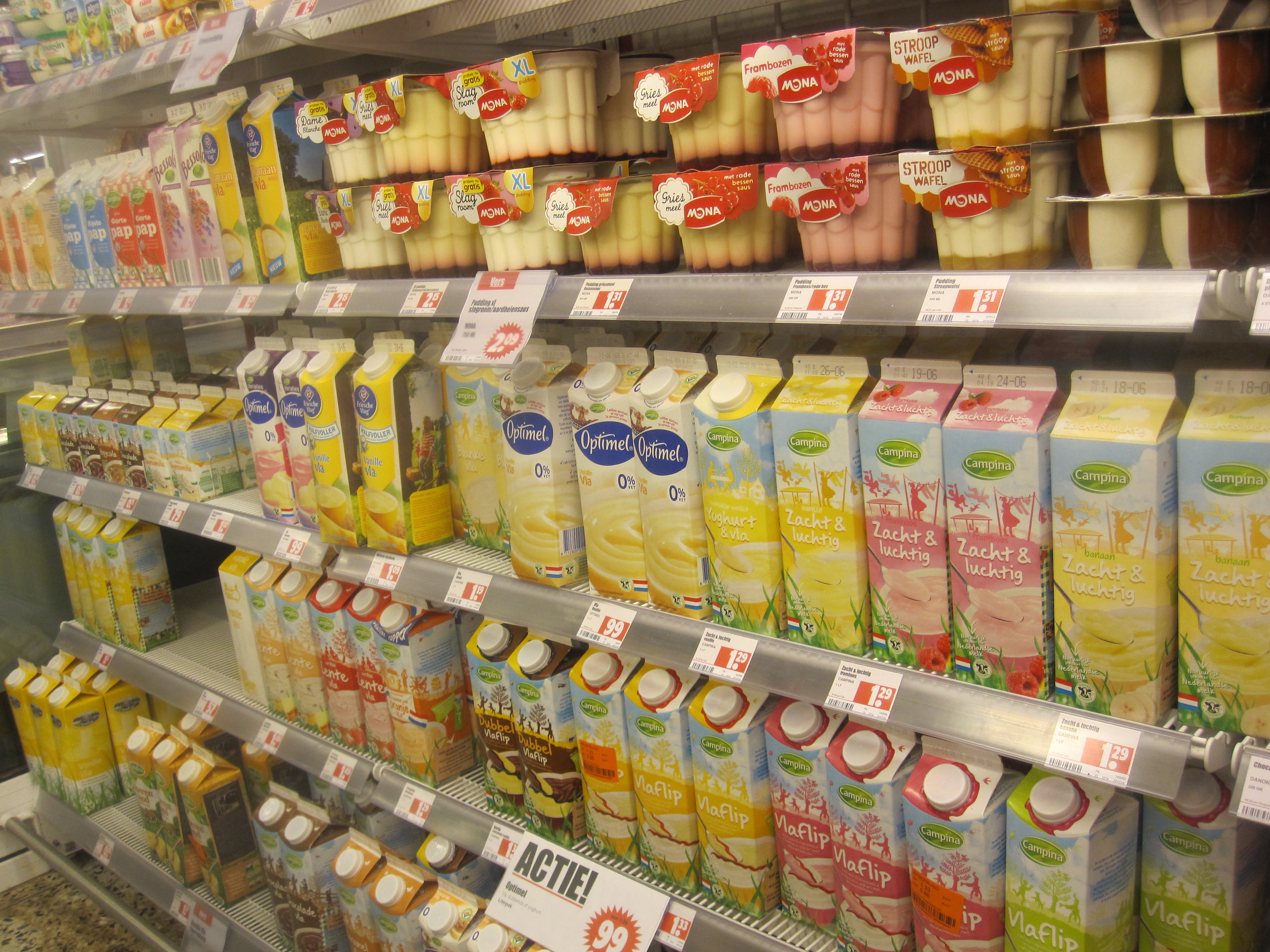
Now, the true dessert arena has flavoured custard – vanilla, strawberry and chocolate; different kinds of pudding and the ever tempting varieties of ice cream.


puddings and other desserts


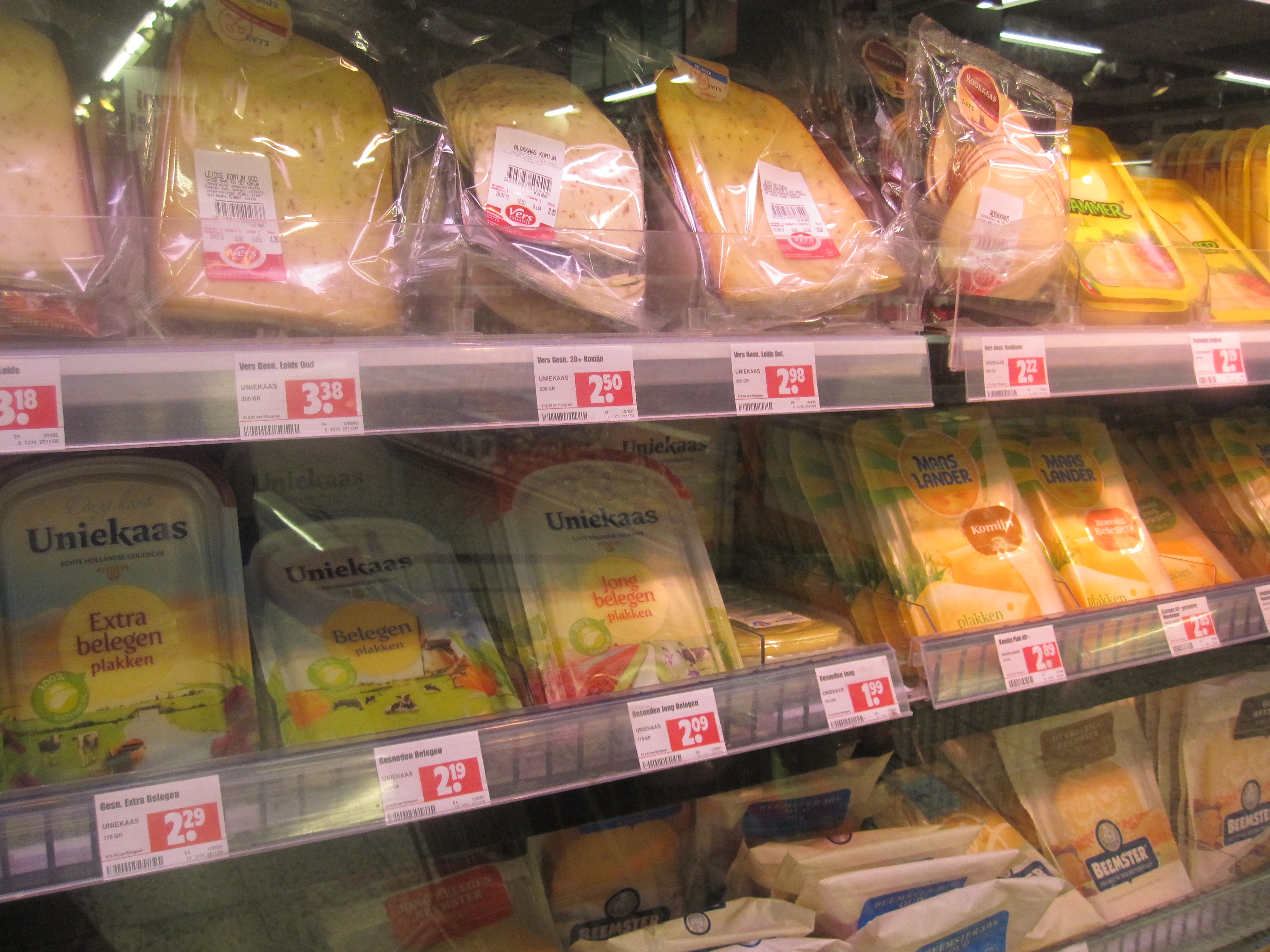
Other dairy products include coffee milk, buttermilk called karnemelk, condensed milk and the most popular of all Cheese! There needs to be a separate post about the world-famous dutch cheese!!


the cheese section


special yoghurt and quark for children


(photos from supermarket Dirk van den Broek)

These are some amazing facts about the dutch dairy industry –


  • One third of the total surface of the country is occupied by dairy-farming.
  • With 11 million tons of milk, The Netherlands are the fifth largest milk producer in the European Union (after Germany, France, the UK and Poland).
  • Fifty percent of the milk is used for cheese production. 75 percent of the cheese is exported, mostly to Germany, Belgium and France
  • Nearly one fifth of the milk in the Netherlands is processed into ingredients (caseinates, lactose, whey proteins) for producers of daily foods, specialty foods and pharmaceutical products.
  • The most important part of the dairy production is exported. Total sales abroad amount to € 4,5 billion (2008).
  • The Netherlands export a quarter of the total EU-dairy export.
  • The Netherlands counts 20 dairy companies with 52 plants. Some companies are the owner of enterprises in other countries. Most of the companies are cooperatives. One, big, cooperative enterprise (FrieslandCampina) dominates the Dutch dairy industry. About 75 percent of all the milk is transformed by this company.

taken from http://www.eda2010.com/?PageID=92; (EDA – European Dairy Association).


FrieslandCampina is the biggest player in the Dutch dairy market. Campina, Mona, Chocomel, Fristi, Milner and Optimel are products of Friesland Campina.


The Nederlandse Zuivel Organization – The Dutch Dairy Association (NZO) is the sector organisation of the Dutch dairy processing industry. Dairy companies, jointly processing approximately 98 percent of Dutch farm milk, are affiliated with the organisation. The dairy activities of NZO members have a turnover of some 10 billion, two-thirds of which are exported. Approximately 9,000 employees work in the dairy industry.http://www.nzo.nl/?PageArea=2.


Wentelteefjes: French Toast with Lemon


Next, I tried making an easy dutch breakfast, tea time or brunch menu-

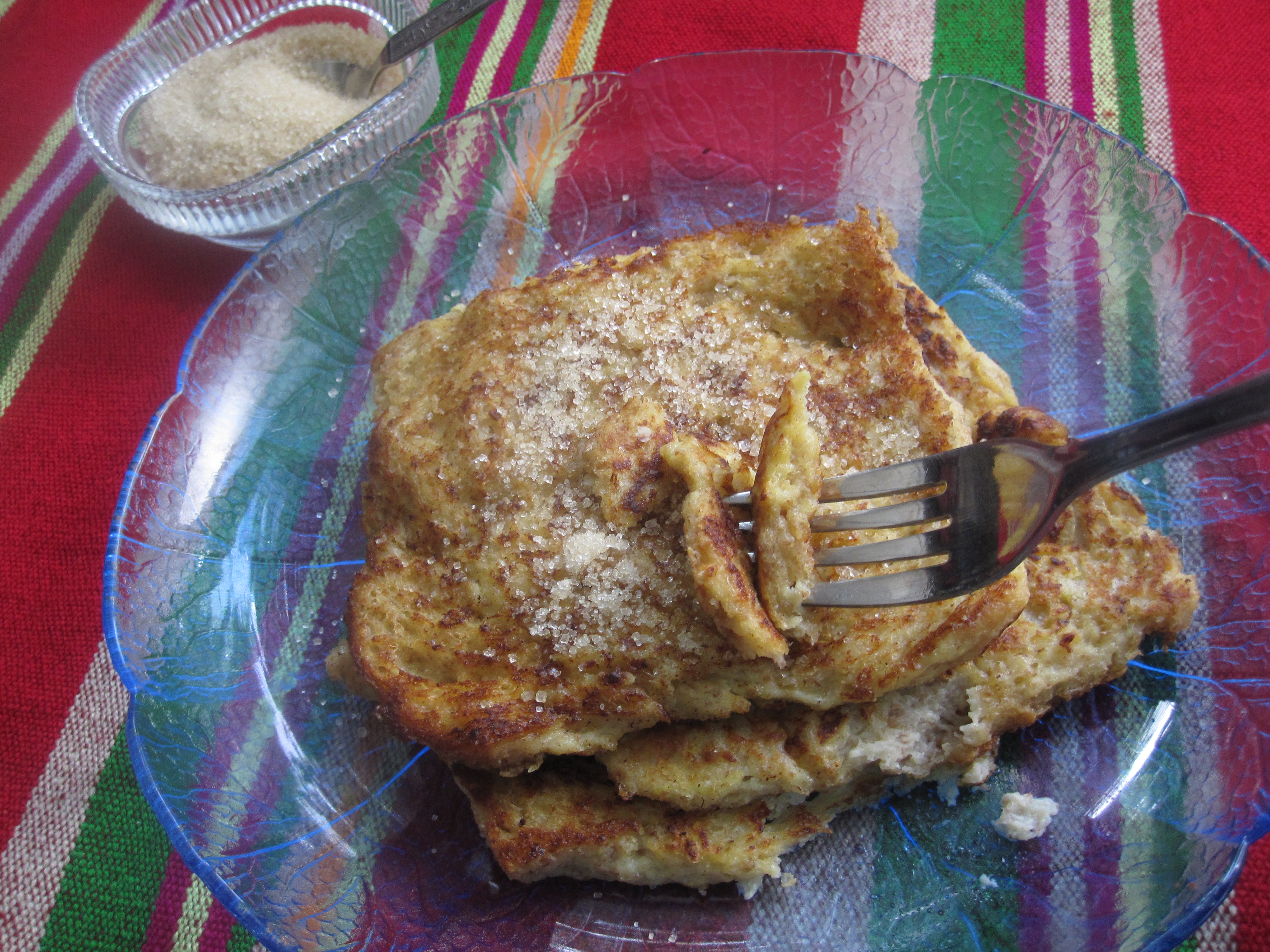
Wentelteefjes, which sounds quite complicated is a simple dutch version of french toast. French Toast called Pain Perdu which literally means ‘lost bread’ originated as a way to use stale or old bread, when storage facilities were rare.


Also notably: In France, French toast, and in Belgium (and DRC Africa) is called pain perdu, or “lost bread,” since it is a way to reclaim stale, “lost,” bread: hard bread is softened by dipping in a mixture of milk and eggs, then fried.http://www.websters-online-dictionary.org/definitions/French+toast?)


The recipe is taken from the book ‘Dutch cooking today’.

 Ingredients

  • egg – 1 no.
  • grated rind of 1 lemon or
  • 2 teaspoons ground cinnamon
  • milk – 150 ml
  • stale white bread – 4 slices
  • butter – 30 gms
  • soft brown sugar/cane sugar – 2 tbsp


Method of Preparation

  1. In a bowl, beat the egg and stir in the lemon peel or cinnamon and milk
  2. Remove the crusts from the bread
  3. Dip the slices of bread in the egg mixture
  4. Put the slices on top of each other in the bowl so that they absorb all the remaining liquid
  5. In a large frying pan, heat the butter over moderate heat
  6. Fry the bread on both sides until golden brown
  7. Serve the french toast sprinkled with soft cane sugar.


Note:

  1. I used lemon peel instead of cinnamon powder
  2. Brown bread has been used instead of white – though white bread is considered better in taste and additionally, white bread toasts come out more fluffy
  3. Adjust number of bread slices according to the quantity of mixture – I needed three slices instead of four
  4. Fresh bread is used instead of stale bread.

Elumichai Sadham/Lemon Rice


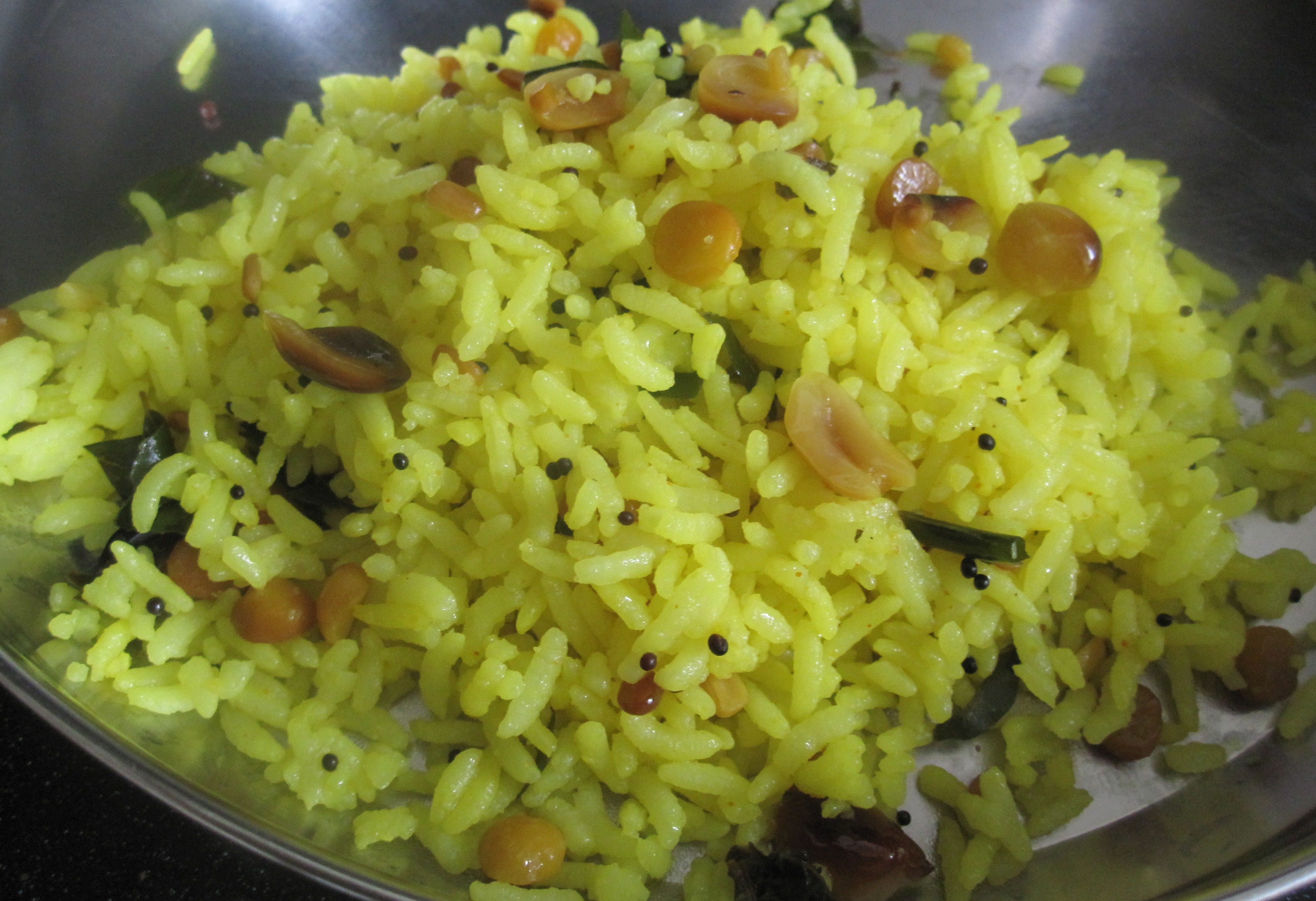
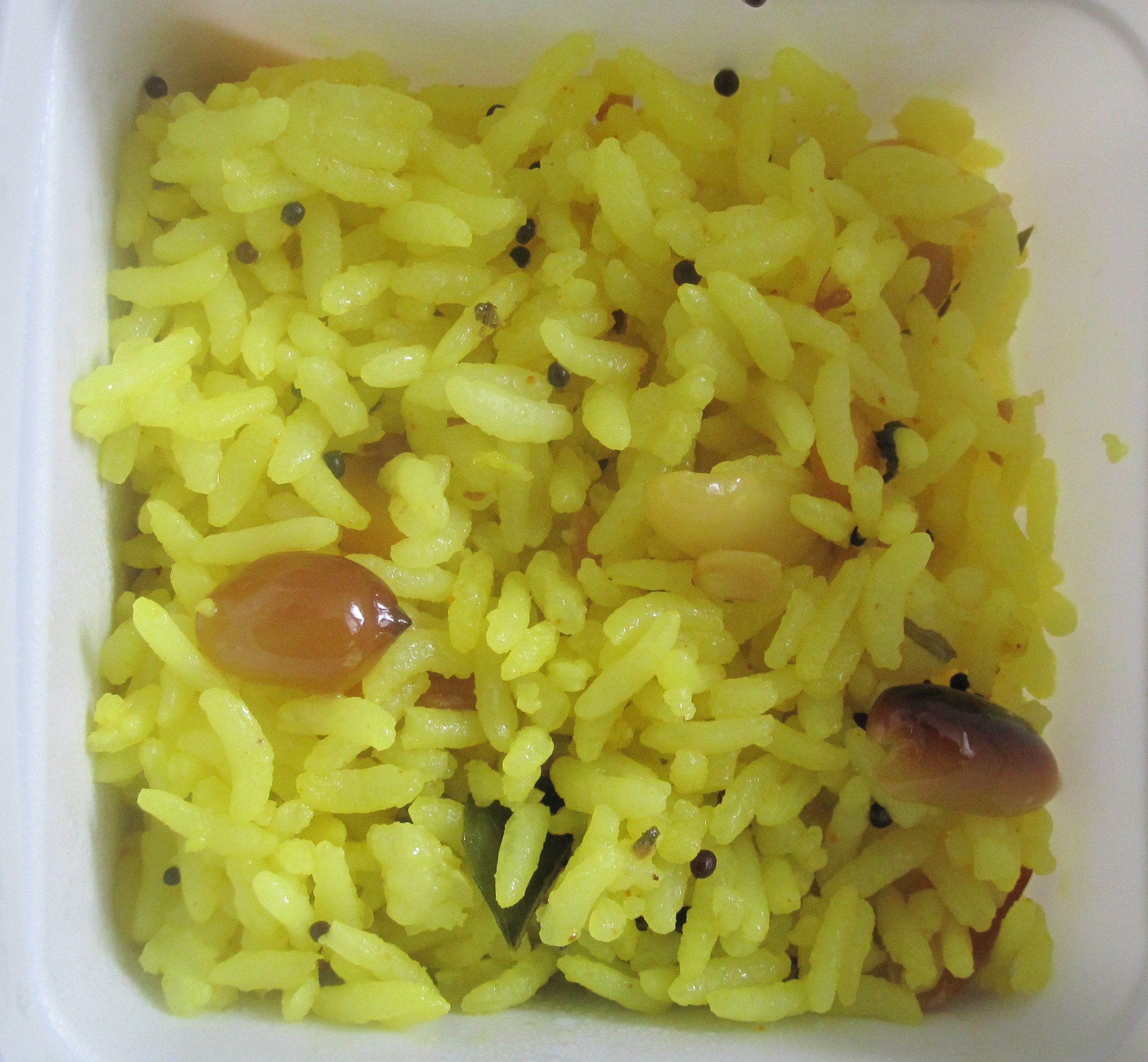
 beautifully coloured elumichai sadham/lemon rice

Elumichai Sadham (pronounced saadham) is an easy to prepare meal, flavoured with juice of lemon..  it is a delicacy made especially during those summer days of scorching sun.

Elumichai is the shortened version of Elumicham pazham which means ripened lemon in tamil; and saadham is rice. Elumicham kaai – elumichangaai is raw lemon and is used in making pickles . Originally, Choru or Soru is the tamil word for cooked rice. The origin of the word ‘saadham’ which is used commonly for cooked rice is not very clear.

Elumichai sadham (lemon rice), Puli sadham (tamarind rice), Thengai sadham (coconut rice) or Thayir sadham (curd rice) – all are called kalandha sadham, kalavai sadham or coloquially viragina sadham –  translated as mixed rice or in general variety rice.

Lemon rice on sunny days, Tamarind rice on rainy days, Coconut rice on special days and Curd rice always to end the meal… and that’s not all! Ellu sadham (sesame rice), Nellikkai sadham (gooseberry rice), Paruppu sadham (lentil rice) and many more come under speciality variety rices.

Among the Mixed Rices, lemon rice, tamarind rice and curd rice are also picnic meals – that can remain fresh and good for a couple of days – even without refrigeration.  When we use to travel in train to places like Delhi which needs 28 hours of travel time from Chennai, idly (see steamed-rice-cakes/) and varutha milagai thuvayal  (see roasted-chilly-coconut-chutney/) for breakfast and dinner, and lemon rice or tamarind rice with urulai kizhangu poriyal (see potato-dry-curry/)and curd rice (see curd-rice-sun-dried-chillies/)  for lunch used to be the packed food. These are such comfort foods when hunger never seems to stop during train journeys!

Variety rices can also be prepared from left over rice and yet the end product tastes fresh and flavourful. That is why, these can also be a lazy day’s brunch made with previous day’s left over rice and chips to go with it!

Now to Elumichai Sadham…

Cooked rice flavoured with juice of lemon,  coloured with turmeric powder for the yellow colour of lemon, combined with many more ingredients to enhance the tingy tangy taste of lemon…. lemon rice is simply and completely lemony!


Tip:

A small tip to squeeze out juice easily and completely – 

On any convenient hard surface like a kitchen slab or a chopping board, roll lemon with palm and make it soft.

Now, cut the lemon into two halves and squeeze out juice which is a lot more easier affair.


Elumichai Sadham


Ingredients (serves approximately 4)

  • cooked rice – 4 cups
  • oil – 4 tsp
  • kadugu/mustard seeds – 1 tsp
  •  ulundhamparuppu/dehusked black gram – 1 tsp
  • kadalai paruppu/split bengal gram – 3 tsp
  • nilakkadalai/groundnut (roasted and unsalted)- 3 tsp
  • pachai milagai/green chillies – 2 no.s
  • kariveppilai/curry leaves – a few
  • grated ginger – 1 tsp
  • turmeric powder – 1 tsp
  • juice of one large lemon
  • salt – as per taste
  • asafoetida powder – 1/2 tsp


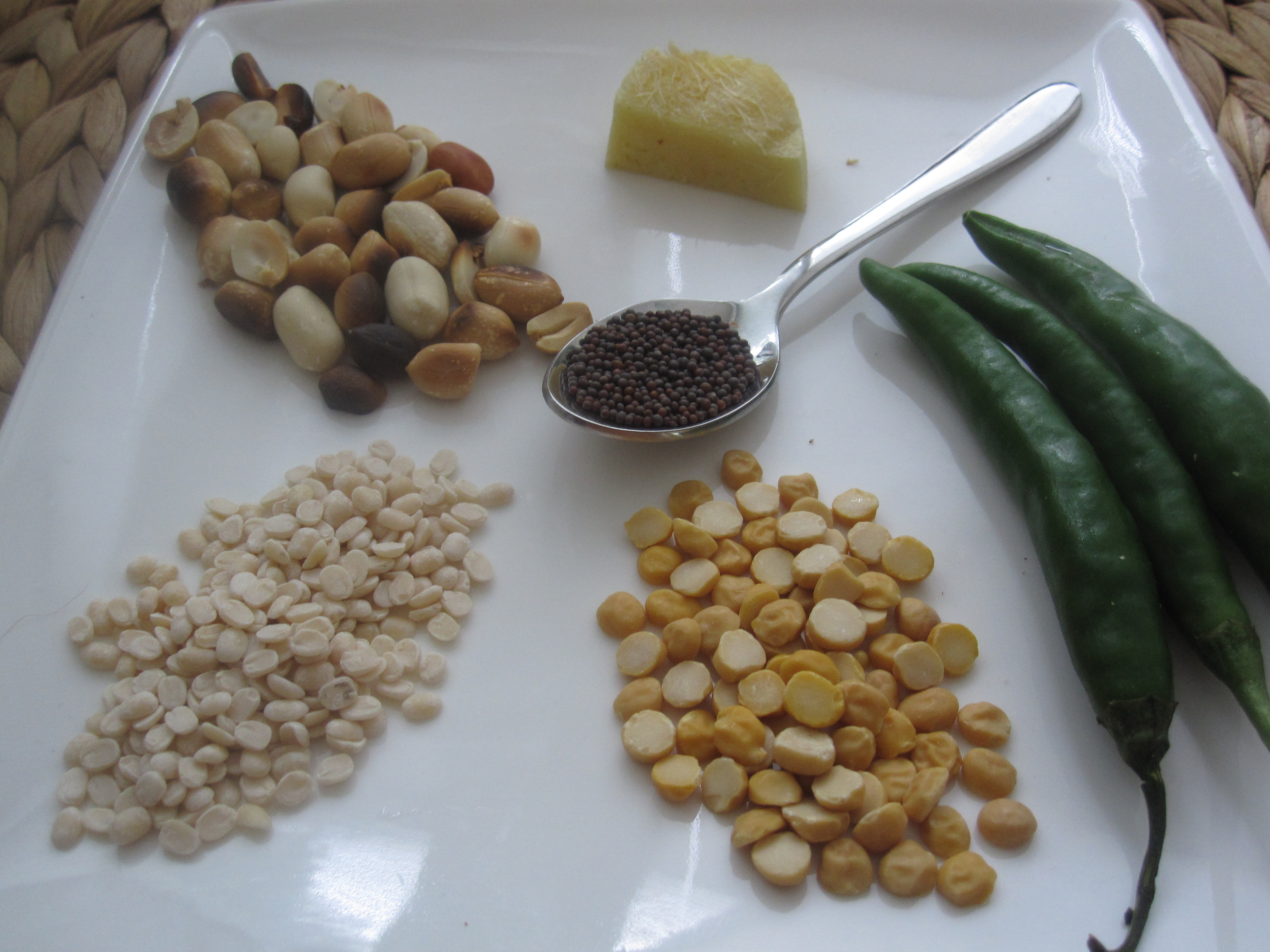
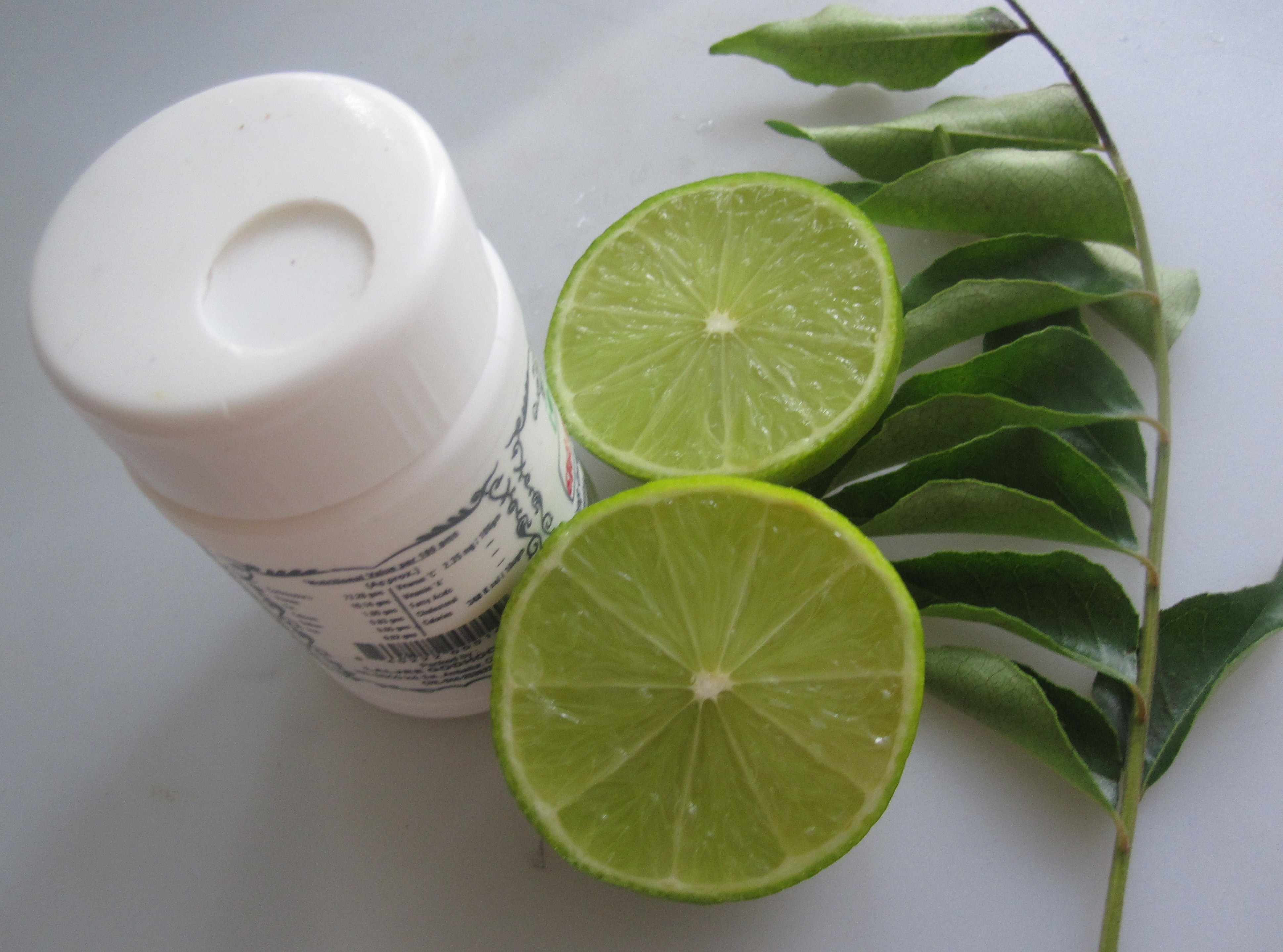
 ingredients…


Method of Preparation

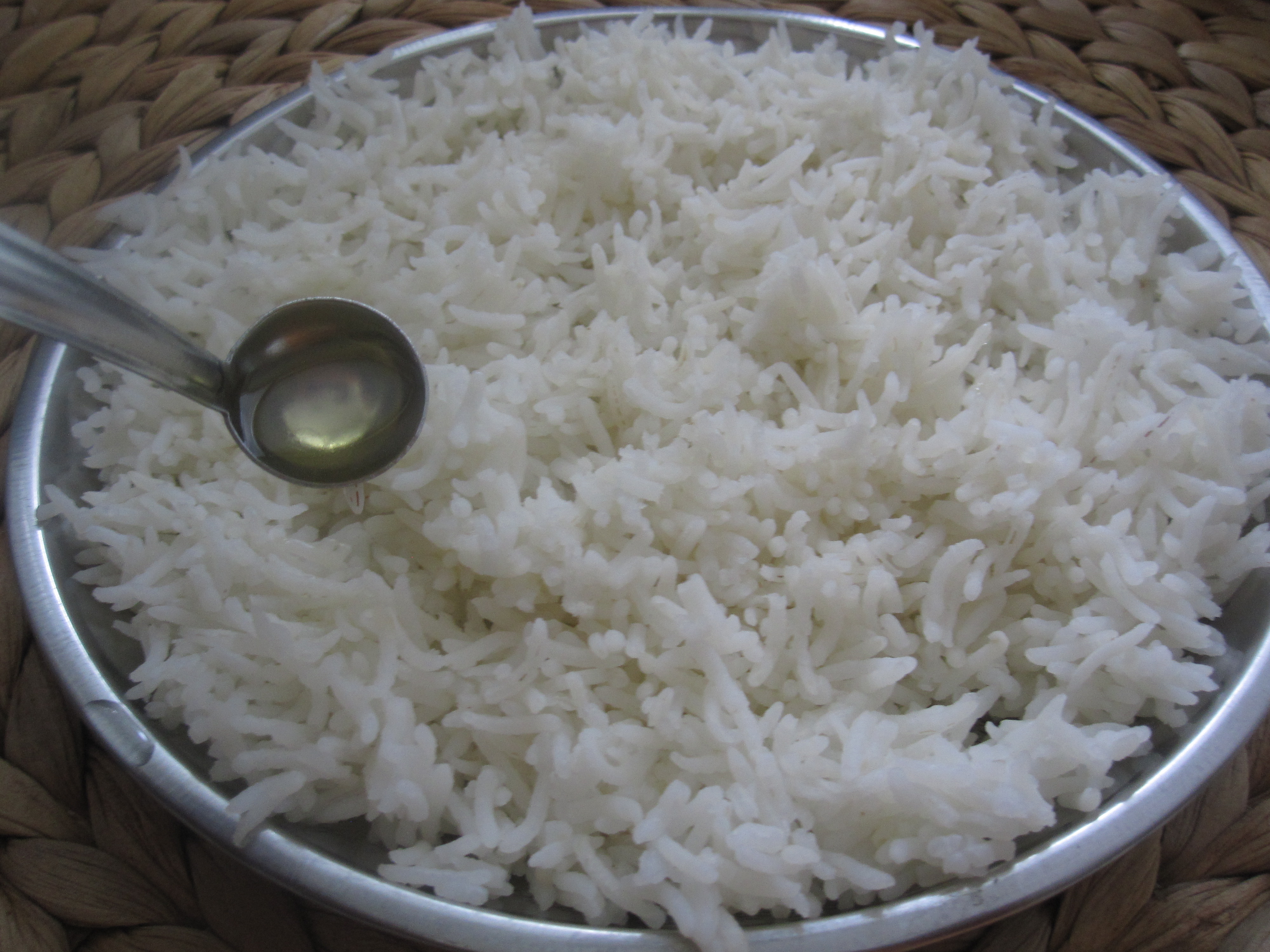
  1. Cooked hot rice can easily become mashed. For lemon rice, we need rice in separate grains. Hence, cook rice, spread in a plate and pour two tsp oil and leave to cool; This helps rice to stay with separate grains
  2. Heat oil in a heavy bottomed vessel; Add mustard seeds and when they splutter add dehusked black gram and split bengal gram
  3. Keep the stove in medium heat
  4. When black gram and bengal gram turn golden brown, add grated ginger, curry leaves, green chillies and turmeric powder and fry
  5. Lastly add asafoetida powder, salt and roasted unsalted groundnuts and fry
  6. When salt and turmeric powder is mixed well with all the other ingredients, simmer stove and add the rice which was left to cool and mix
  7. When the rice is mixed well, switch off stove and add the squeezed and filtered lemon juice to the rice mixture
  8. Toss well till the juice of lemon is mixed evenly with rice.
  9. Serve with urulai kizhangu poriyal (see potato-dry-curry/) or any dry vegetable curry and appalam (papad) or chips.


spread cooked rice and add oil to separate grains


all ingredients put together in hot pan


ready to serve!


Note:

  1. Pachirisi/Raw Rice is always used in mixed/variety rices… mainly because par-boiled rice is fatter and sometimes has a distinct taste
  2. Be sure rice grains are separated and not mashed when cooked
  3. Nallennai-Gingelly Oil is the preferred oil, which gives the typical flavour of mixed rice… if not available, other cooking oil can also be used
  4. When freshly cooked rice is used, cool on plate; when left over rice is used from fridge, directly add to the hot mixture on stove and then mix lemon juice
  5. Green chillies can be substituted with red chillies or both can be used for added flavour
  6. Add roasted groundnuts in the end as per procedure… if groundnut is added with black and bengal gram it might get burnt easily
  7. Quantity of lemon juice can be altered according to taste preference
  8. Garnish with coriander leaves.

Chola Dosai/Yellow Corn Flour Pancake


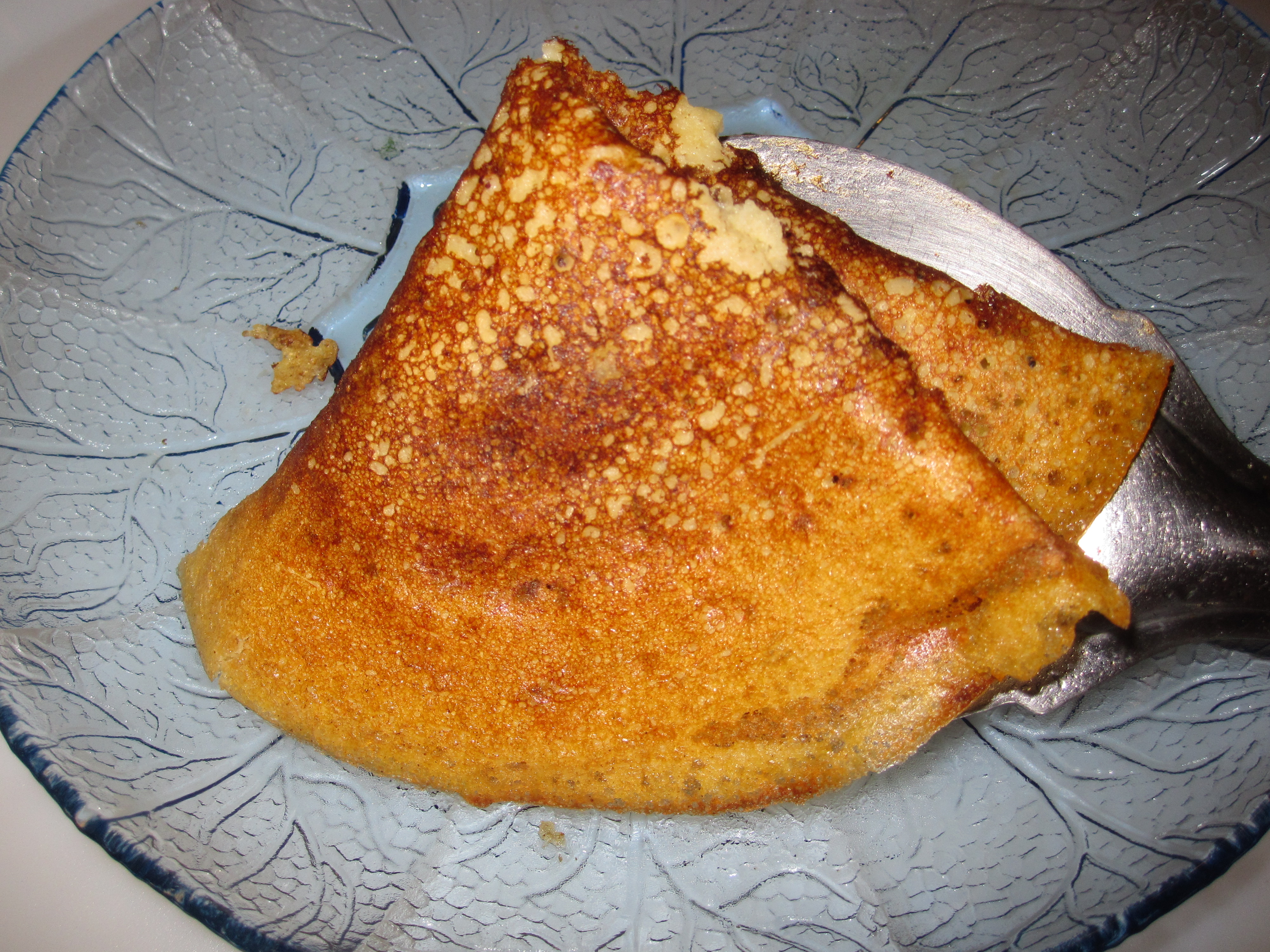
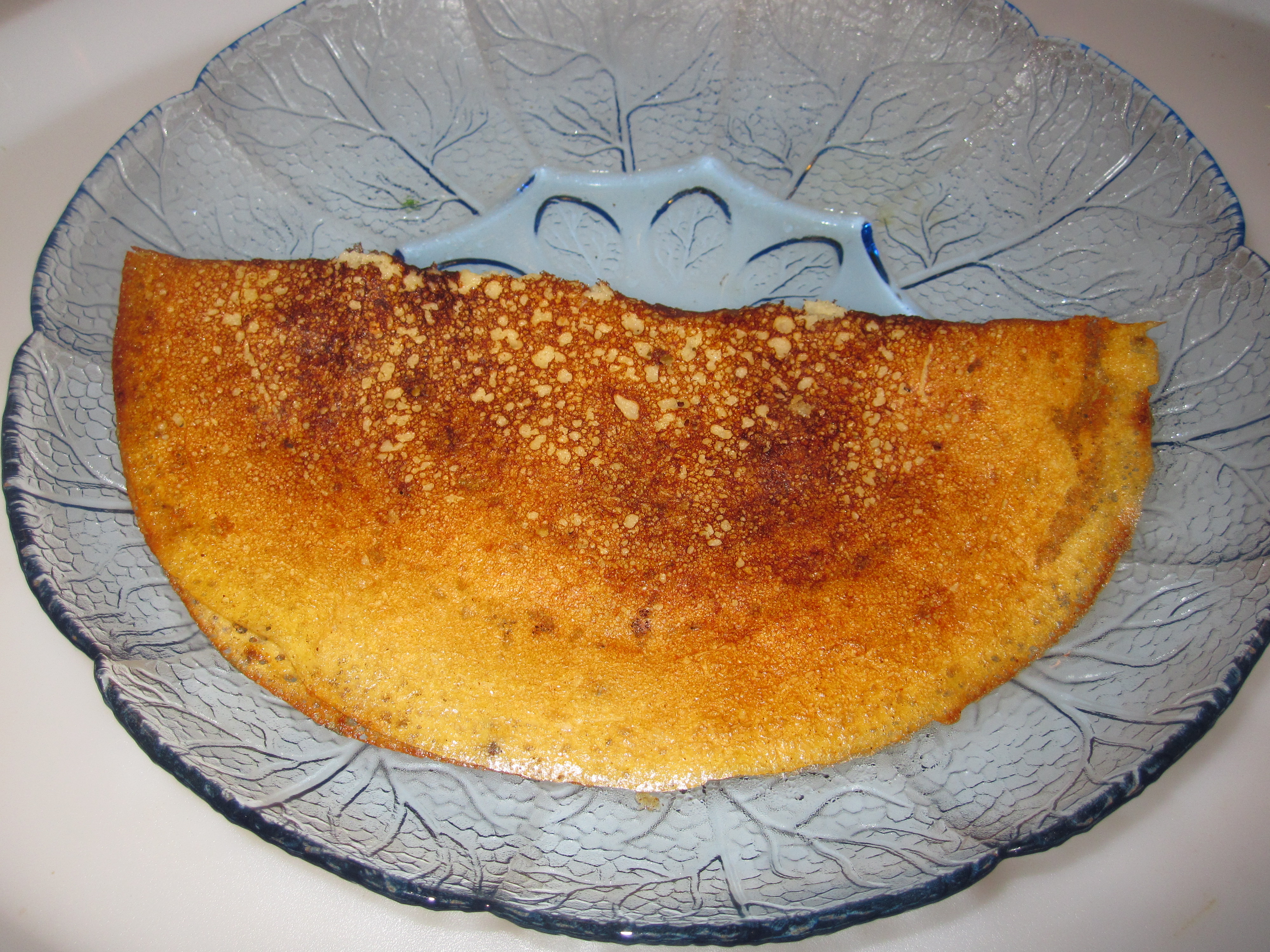
healthy chola dosai/corn dosai


Cholam means Corn in Tamil language.   Before rice became a staple food in Tamilnadu,  cultivated cholam/corn, kezhvaragu/finger millet, kambu/pearl millet and many more natural grains which are uncommon in cities and becoming less common in towns and villages these days were used in making kanji/porridge or  cooked as main course meal.

Even today, every area – be it rural or urban in Tamilnadu has one or many local grinding mills. Ladies of the household use the local grinding mill to grind their gothumai/wheat, cholam/corn, kezhvaragu/finger millet, kambu/pearl millet and other whole grains to powder for usage in their day-to-day cooking – idli, dosai, upma and so on.   Powders to make all staple and speciality gravies like sambar, rasam, puli kuzhambu, kuruma and many more have to be grounded in these mills. Hence, these local grinding mills are indispensable. Nowadays, the whole grain powders are available ready-made in super markets.


Whole grains have some valuable antioxidants not found in fruits and vegetables, as well as B vitamins, vitamin E, magnesium, iron and fiber.

The medical evidence is clear that whole grains reduce risks of heart disease, stroke, cancer, diabetes and obesity. Few foods can offer such diverse benefits.

People who eat whole grains regularly have a lower risk of obesity, as measured by their body mass index and waist-to-hip ratios. They also have lower cholesterol levels. http://www.wholegrainscouncil.org/whole-grains-101


That is why I thought I could share one of the easiest dosai batters, though needs little practice while making dosais/pancakes – Chola Dosai.

Makka Cholam/Sweet Corn is more common in most of the tourist/picnic spots… in beaches and hill stations – grilled corn, flavoured with juice of lemon, salt and chilly powder makes a spicy-tangy comfort food.

Dried corn is milled into a powder to make different breakfast and dinner main courses in Tamilnadu…. especially in rural Tamilnadu. I think it is slowly becoming a restricted affair in the cities to make idlis or dosais from different kinds of grains. Lack of time due to fast paced life!

Now, to some health benefits and historic facts of corn…


Corn is actually a unique phytonutrient-rich food that provides us with well-documented antioxidant benefits. In terms of conventional antioxidant nutrients, corn is a good source of vitamin C as well as the mineral manganese. But it is corn’s phytonutrients that have taken center stage in the antioxidant research on corn. http://www.whfoods.com/genpage.php?tname=foodspice&dbid=90

Archaeological studies indicate that corn was first cultivated by the primitive people of Mesoamerica at least 5600 years ago.

Corn or maize was the primary starch for Native Americans for centuries. The kernels were boiled or fried, or ground to cornmeal after drying.  http://jugalbandi.info/2007/11/indian-corn/


The evidence of maize in archaeological sites in China and its depiction in Hoysala Temples in India, both dated before the 15th century A.D., suggests that this domesticated crop was diffused by human action before the arrival of Columbus in the New World. The implications of this evidence are of great magnitude, since the presence of maize in Asia indicates that humans were able to migrate between both hemispheres; more than likely through trans-oceanic means of travel. http://geography.uoregon.edu/carljohannessen/research.html


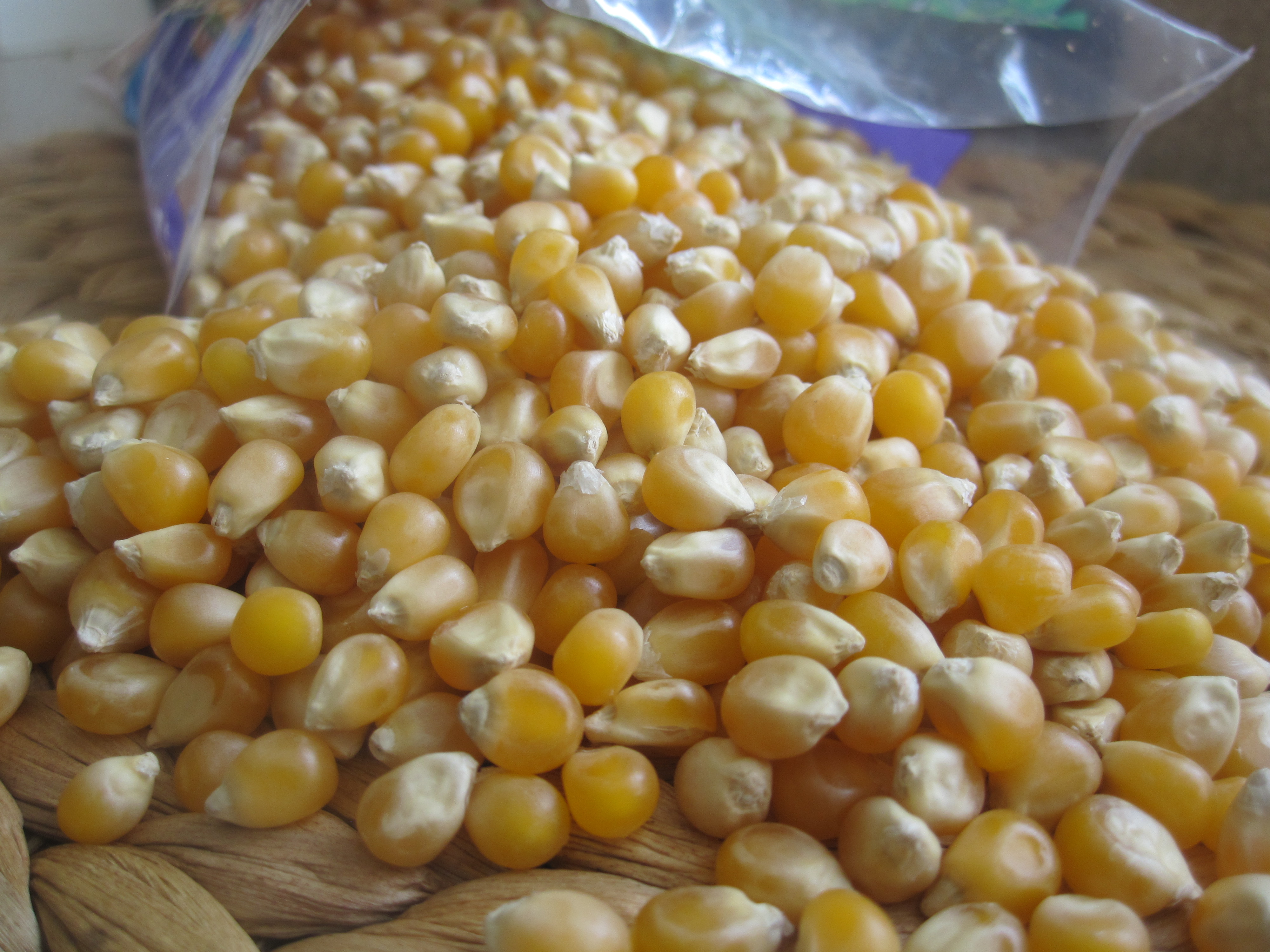
cholam/corn


While coming from Chennai, I had brought chola maavu or the corn powder milled from the nearest grinding mill. After that was done, I get the packed yellow corn flour from the indian store.


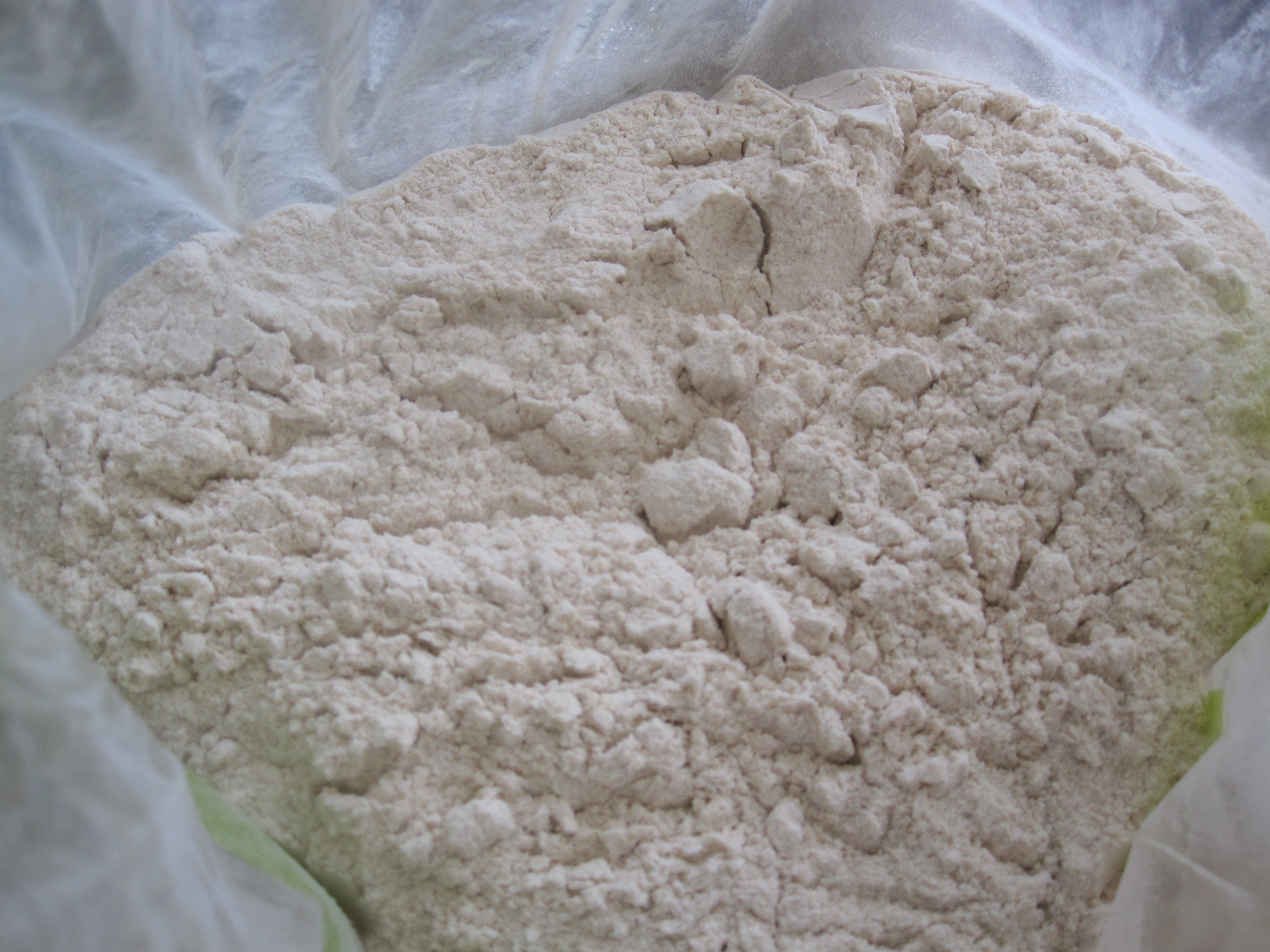
chola maavu/corn flour


Chola Dosai

Ingredients (makes approximately 4 dosais)

  • chola maavu/yellow corn flour – 1 cup
  • salt – as needed
  • water – enough to make batter

Batter

Mix chola maavu, salt and water into a lumpless loose batter.


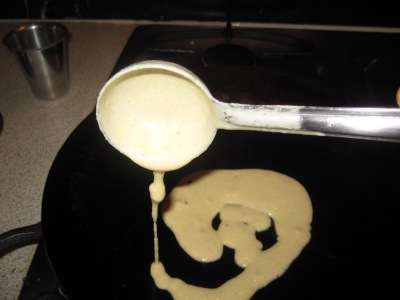
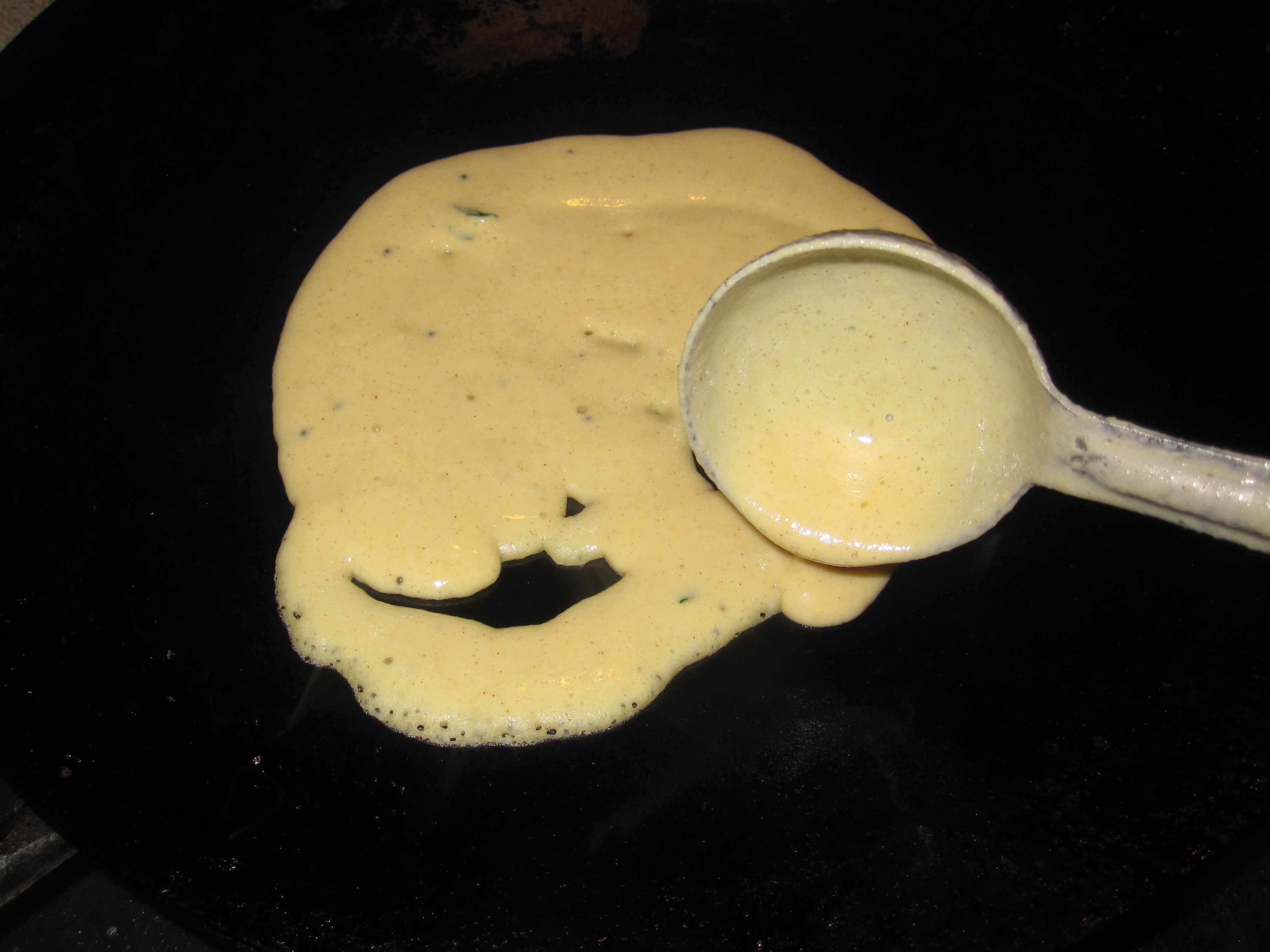
pour in patches


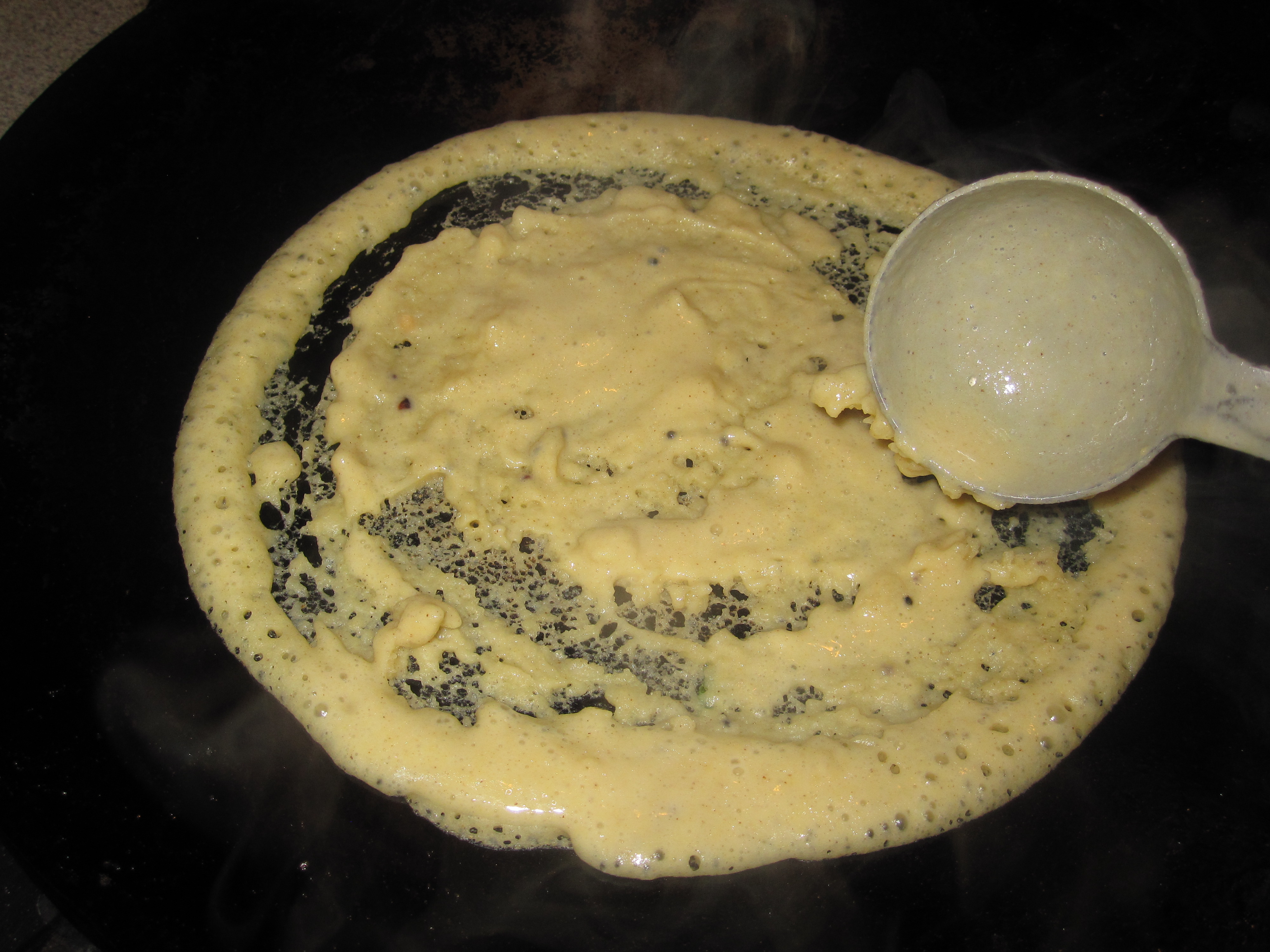
more if required


spread to make it even


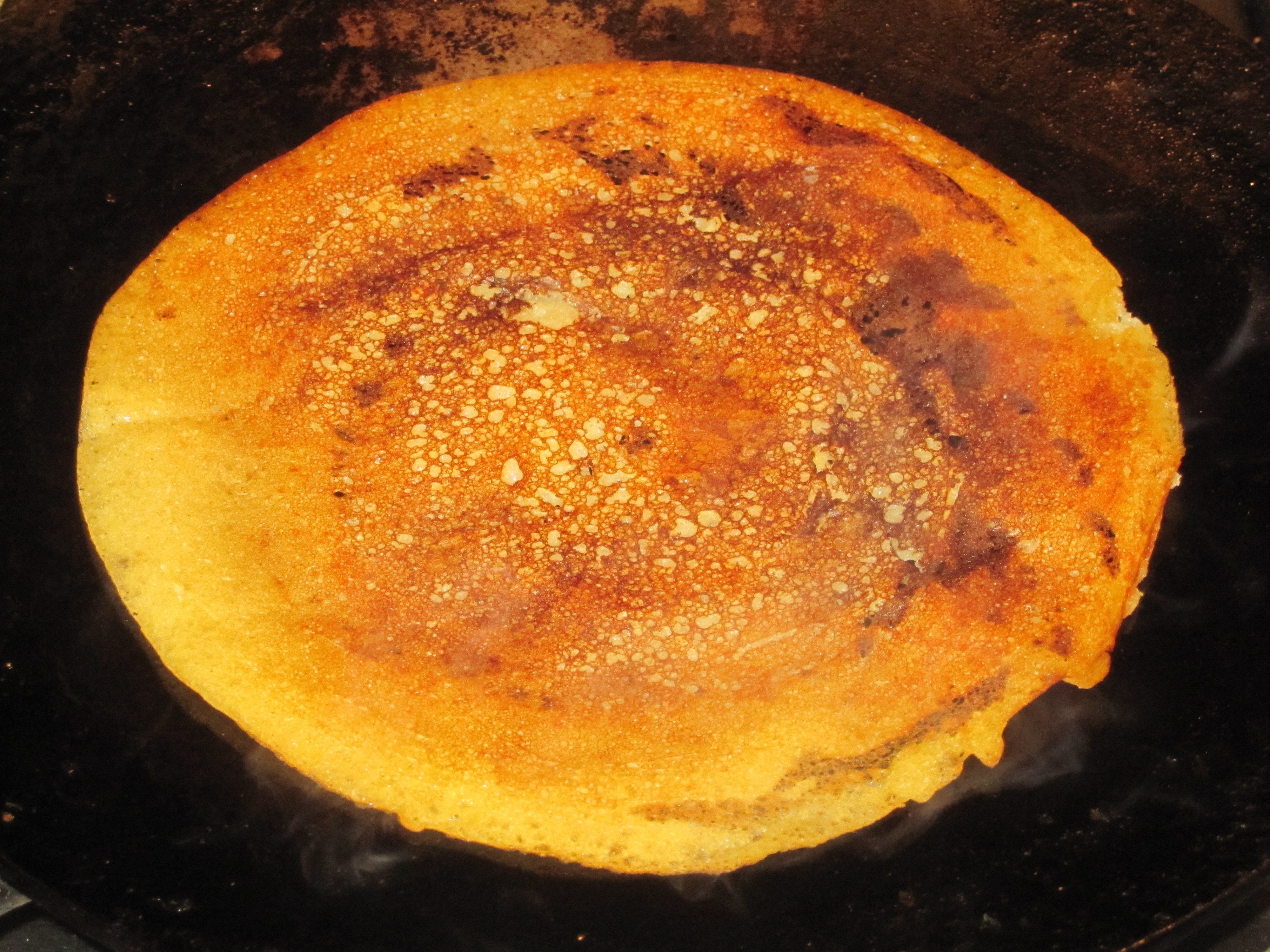
turn to cook


Method of Preparation

  1. Heat dosaikal/tawa/flat pan on stove
  2. When hot, grease well with gingelly oil or any cooking oil
  3. Take enough batter in a ladle and pour in circular motion from inner to outer or outer to inner side of pan
  4. Pour more batter if needed and spread to make a crispy fine dosai/pancake
  5. Do not make like normal dosai method – pouring the dosai batter in the middle of the tawa and spreading it evenly in circular motion; see  https://dosaikal.com/2011/08/14/basic-dosaidosa/
  6. Pouring the batter in patches, and then quickly spreading it evenly on pan makes perfect chola dosai
  7. Sprinkle oil on the outer edge of the dosai and let it cook till brown
  8. Turn the dosai to cook on both sides
  9. Serve hot with preferred chutney.  see https://dosaikal.com/category/chutneys/.


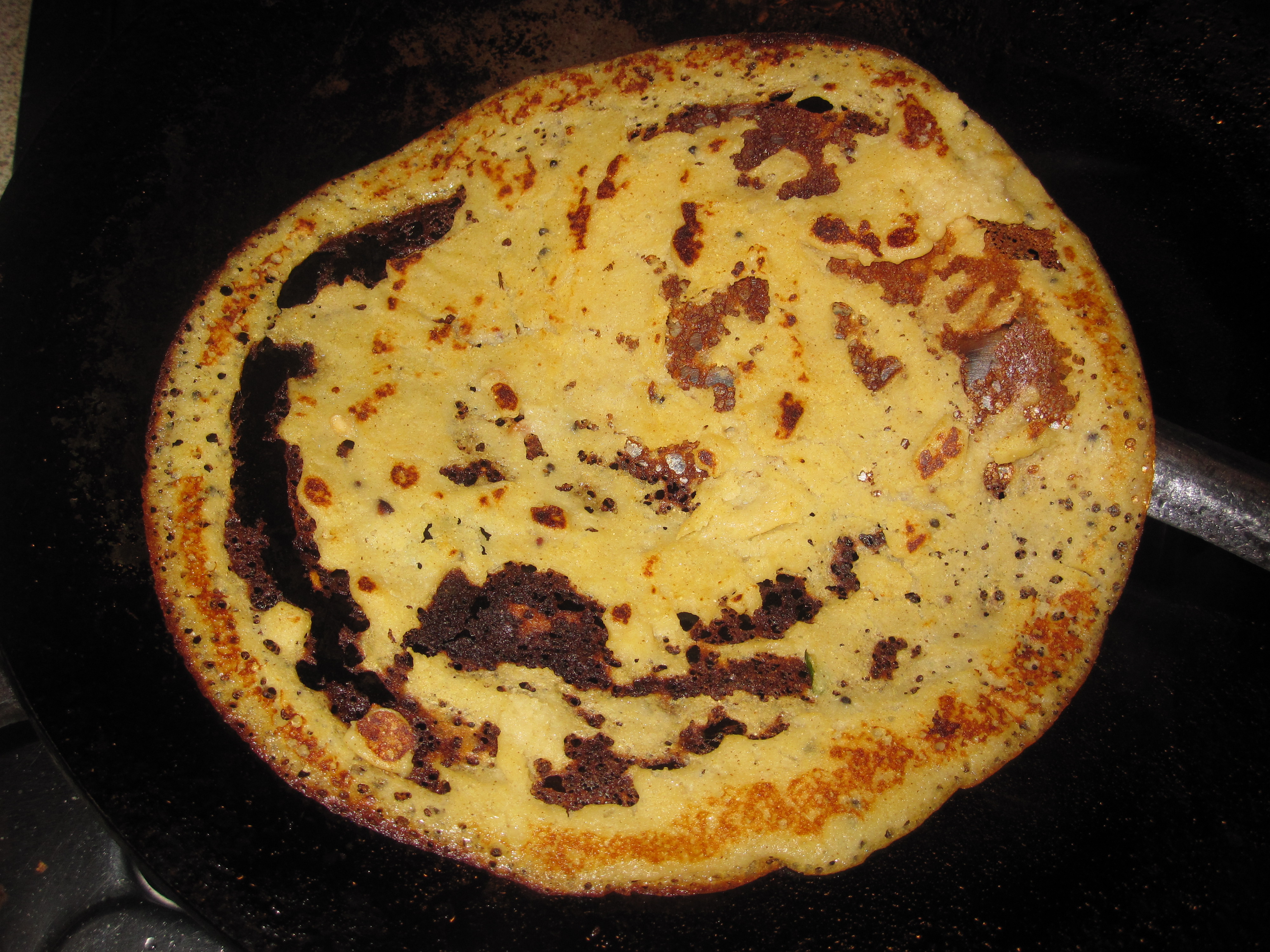
cooked well on the other side


ready to serve


Note:

  1. This batter would stick to the dosaikal/pan immediately – hence cannot be made like the normal dosai – in circular motion from inside to outside.
  2. Pouring in patches from outside to inside or vice versa and then spreading helps to avoid broken dosais.
  3. Takes a little practice to be successful. Good Luck!

Mor Kuzhambu/Buttermilk Curry


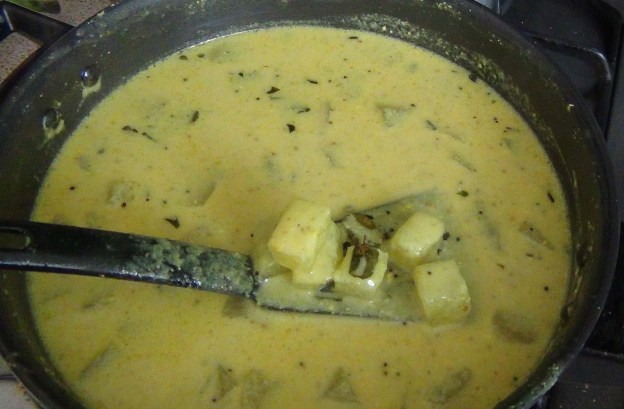
easy to digest – Tirunelveli Mor Kuzhambu


Mor Kuzhambu is a simple yoghurt curry. Mor means buttermilk and kuzhambu means gravy or curry in tamil language. In the north of India, the gravy made with yoghurt is called ‘Kadi’. Mor Kuzhambu looks like the north Indian ‘Kadi’, but the flavour of mor kuzhambu is enhanced by the ground coconut mixture and it is thinner in consistency. It is a really light gravy and very less or nil in pungent spices, which makes it easily digestible.

Vegetables like okra, long squash (lauki) or ash guard (white pumpkin or petha) are generally used in making this kuzhambu. Vadai (vada or deep-fried lentil balls) made fresh with soaked and ground kadalai paruppu/channa dal/bengal gram can also be used instead of vegetables to make mor kuzhambu.

When I was young, Mor Kuzhambu used to be our Sunday Lunch Special. Mostly, amma used to make ‘vadai potta mor kuzhambu’ or buttermilk curry with deep-fried lentil balls soaked in it. Sometimes, with vegetables.

 A few years ago, I had the splendid privilege of having aachi – my paternal grandmother and thatha – my grandfather come and stay with us for a while. When I wanted to cook something special for thatha, aachi suggested mor kuzhambu – one of his favourites and very easily digestible at any age.

Now, destiny had knocked my kitchen door to make me realise what I had missed so long.

I asked her to guide me. The step by step process of making mor kuzhambu…  the exotic aroma of grinding coconut with many more ingredients… the blended colour of buttermilk/beaten yoghurt with turmeric and the ground ingredients… the flavour of the vegetable cooked in this kuzhambu/gravy…. all made me relish the art of making mor kuzhambu and love tasting it too!

This is traditional tirunelveli style mor kuzhambu… thoothukudi mor kuzhambu might be different.

(Note: Amma’s mor kuzhambu is equally tasty… she always makes this mor kuzhambu she learnt from her mother-in-law – the same grand old lady of the household! I recollected this exact recipe from amma)

Mor Kuzhambu tastes best with ash gourd – vellai poosanikkai in tamil and petha in hindi.


vellai poosani/ash gourd


A few nutritional aspects of ash gourd –


Ash-gourd is loaded with nutrients. It’s an excellent source of vitamin B1 (thiamine), a good source of vitamin B3 (niacin), and vitamin C. It is also rich in many minerals like calcium. Its high potassium content makes this a good vegetable for maintaining a healthy blood pressure.

Ash-gourd is alkaline in nature and hence has a cooling and neutralizing effect on stomach acids and as such used effectively for treating digestive ailments like hyperacidity, dyspepsia, and ulcers. Ash-gourd juice is a popular home remedy for peptic ulcers. Ash-gourd juice is also used to treat diabetes.

Ash-gourd is also useful in treating respiratory disorders like asthma, blood-related diseases, and urinary diseases like kidney stones

http://www.vegrecipes4u.com/health-benefits-of-ash-gourd-winter-melon.html


Mor Kuzhambu/Buttermilk Curry

 Ingredients (serves approximately 4)

  • cubed vellai poosani/ash guard – 2 cups
  • water – 1/4 cup to cook the vegetable
  • butter milk – beat 3 cups curds with 1/2 cup water together
  • turmeric powder – 1/2 tsp + 1/2 tsp
  • salt – to taste
  • coriander leaves – for garnish
  • asafoetida powder – 1/4 tsp


cubed vegetable


Grind to Paste

  • freshly grated coconut (do not use desiccated or dried coconut) – 1/2 cup
  • pottukadalai/roasted channa dal (chutney dal) – 2 tbsp
  • minced ginger – 1 tsp
  • cumin Seeds – 1 tbsp
  • Green Chillies – 3 no.s (according to spice level of chillies)


ingredients


 grind to paste


 mix with buttermilk


Seasoning

  • cooking oil – 2 tsp
  • mustard seeds – 1 tsp
  • red chillies – 1 broken into two halves
  • curry leaves – a few


add yoghurt mixture into cooked vegetable


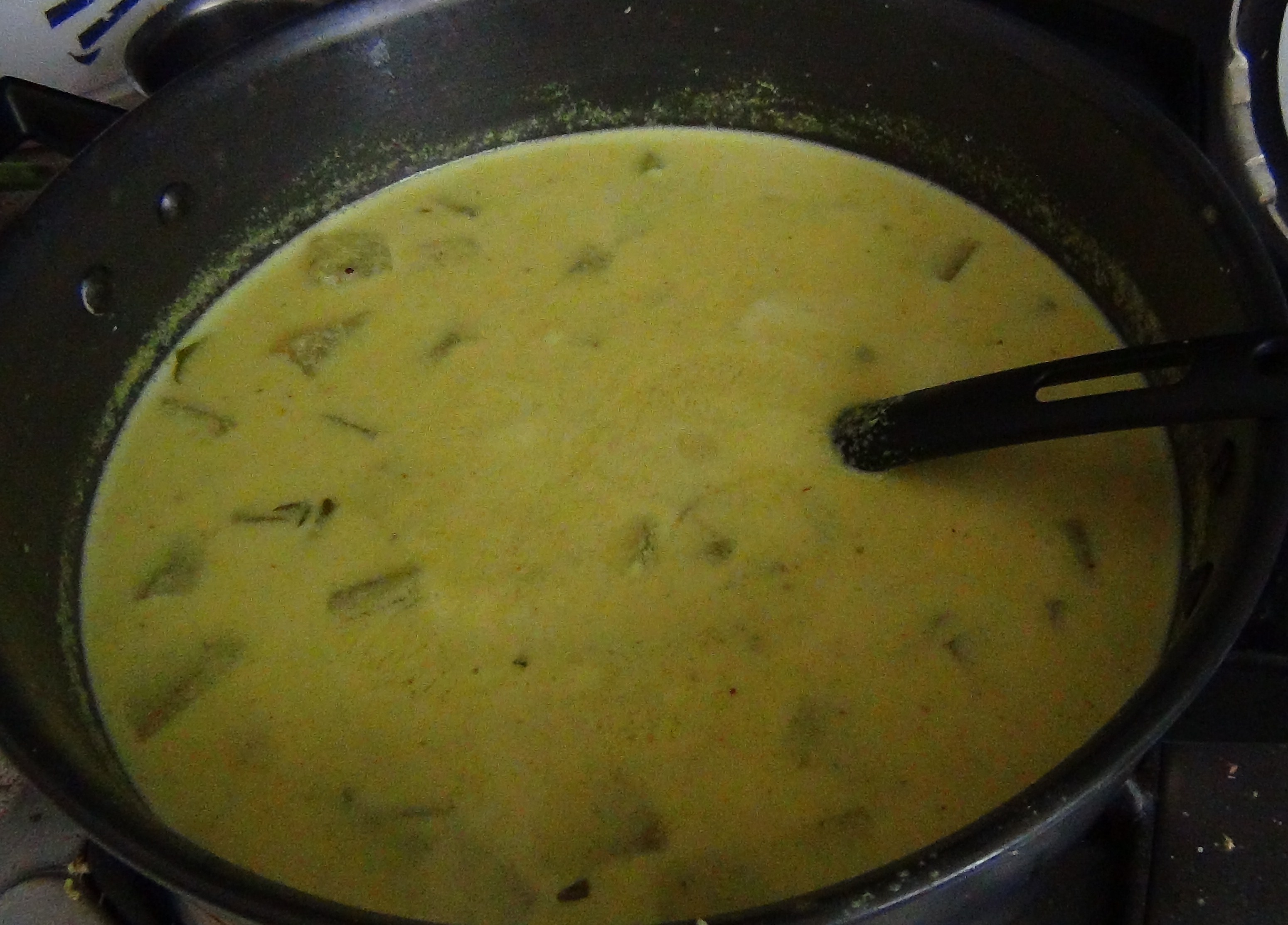
beautiful yellow colour


Method of Preparation

  1. Peel the skin, remove seeds and cube vellai poosani/ash gourd
  2. Heat oil in an iruppu chatti/ kadai and add mustard seeds
  3. When mustard seeds splutter, add red chilly and curry leaves
  4. Then add the cubed vegetable and 1/2 tsp turmeric powder
  5. Pour in 1/4 cup water and a pinch of salt; Cover and cook the vegetable in medium heat till done
  6. Beat the curds and water to make buttermilk
  7. In a wide bowl, add the ground paste, 1/2 tsp turmeric powder, asafoetida and salt to buttermilk and mix well
  8. Pour this buttermilk mixture to the cooked vegetable in the iruppu chatti/kadai
  9. Stir gently in low heat till everything blends well
  10. While getting cooked, the raw yoghurt gravy transforms into a beautiful light yellow colour kuzhambu
  11. Keep stirring till the kuzhambu comes to boil
  12. Kuzhambu is done
  13. Do not increase heat or boil the gravy too much as the buttermilk will lose its consistency or curdle
  14. Add very little water if kuzhambu is too thick
  15. Garnish with chopped coriander leaves
  16. Serve hot with rice.


mor kuzhambu done


Note

  1. Never add desiccated or frozen coconut – freshly grated coconut tastes best
  2. Yoghurt should be beaten well – this avoids quick curdling while cooked
  3. Always cook in sim or medium heat to avoid curdling
  4. Kuzhambu should be stirred gently
  5. Other vegetables like vendaikkai/okra, suraikkai/bottle gourd, vellarikkai/cucumber or poosanikkai/pumpkin taste good in mor kuzhambu.

Beans Poriyal/Beans Dry Vegetable Curry

Sorry for the long break … After the adorable snow attack on us, the next attack came on my computer, making it lifeless for a couple of weeks. Then… for now it is the glowing sun attack! Born in Thoothukudi – the coastal town of Tamilnadu where the sun is brighter than the coastal metropolitan Chennai, where I grew – I love the sun and the mildly cold breeze. Here in Holland, winter or summer – both seem to be in its extreme splash – literally unbearable sometimes. Slowly getting used to the confusion of summer looking spring kind of climate… Originally, it should have been a summer drink to help tackle the heavy and bright sun! But, now it is a simple light poriyal/thuvaran or the dry vegetable curry, to start after this break. As usual, not to mention that this can be made with one teaspoon of oil, just for the seasoning.


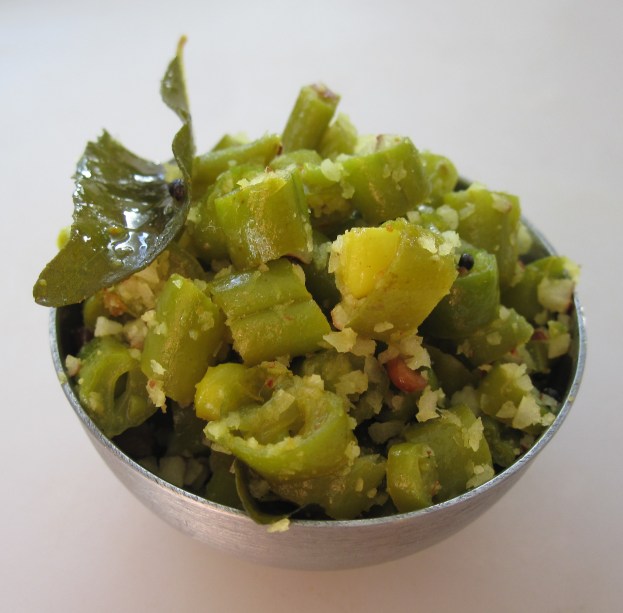
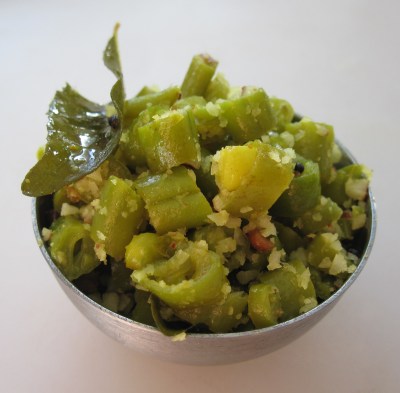
Beans Poriyal/Thuvaran/Beans Dry Vegetable Curry

 Ingredients (serves 2)

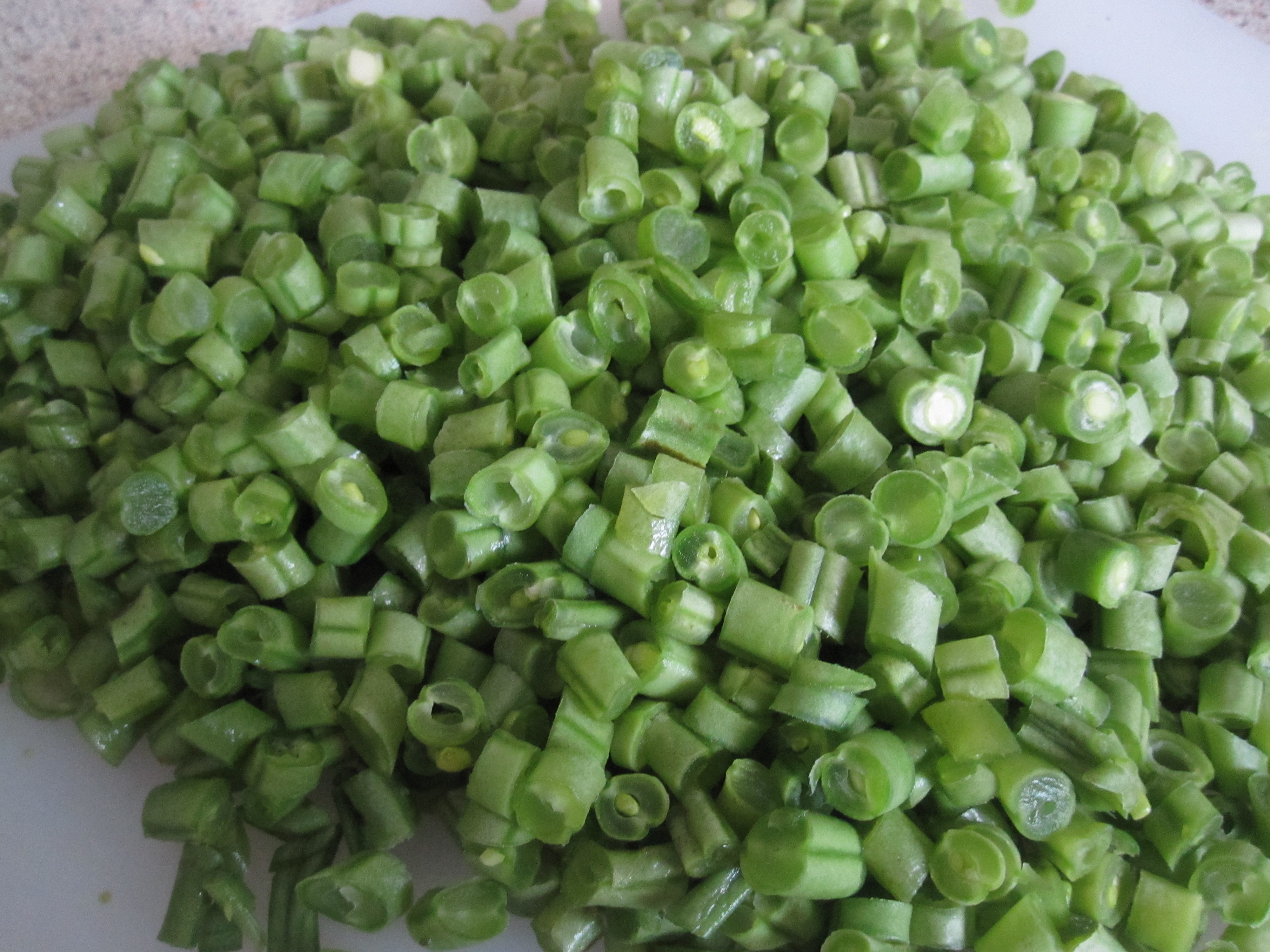
  • finely chopped beans – 250 gms
  • finely chopped onion – 1 no. (optional)
  • split green chillies – 2 no.s
  • turmeric powder – 1/2 tsp
  • salt – as per taste
  • asafoetida powder – 1/4 tsp
  • grated coconut – 3 tbsp
  • oil – 1 tsp
  • mustard seeds – 1/2 tsp
  • urad dal – 1/2 tsp
  • curry leaves – a few


finely chopped beans


 Method of Preparation

  1. Steam the finely chopped beans until tender; I steam it in the micro-wave for about 6-7 minutes
  2. Heat oil in an iruppu chatti/Pan
  3. Add mustard seeds and when they splutter,  add urad dal
  4. When urad dal turns brown, add curry leaves and the split green chillies
  5. Add chopped onion and fry a bit
  6. Now add the steamed beans,  turmeric powder and salt
  7. Saute till raw smell of turmeric powder goes away and all the ingredients are blended well
  8. Sprinkle asafoetida powder and switch off the stove
  9. Sprinkle grated coconut and transfer into a serving bowl
  10. Beans Thuvaran is ready.


Note:

  1. Onions give a distinctive flavour to all thuvarans. But after the exhausting work of chopping beans so fine, chopping onions sometimes become a burden… then I omit onions.
  2. Grated coconut compensates for every adjustment.
  3. Generally, I add asafoetida in most of my dishes to aid digestion. Those who do not prefer the flavour can omit that too.
  4. This is a quick dish as no time is wasted in frying or sauteing too much.

Dutch Apple Pie – The Snow Show!

whole wheat (no butter, no eggs)

appeltaart/appelgebak


After enjoying snowfall in the past two years – 2010 and 2011, it was natural to expect some beautiful snow filled moments this year too! December went away, January too was sliding away with very cold nights – without any trace of snow… my family was missing snow… my daughter missing the white snowman with his carrot nose… also missing those snow angels she used to make in front of our house….  my husband waiting to see those milky white flakes falling from the sky and to watch the trees turn silvery – snow sticking so perfectly to the branches… especially waking up in the morning to see everything bright white,  from the balcony or the kitchen windows or the garden!

Me… I love nature…but not so comfortable with cold weather… be it chilly winds, cold winters or snowy roads. I love to watch the snowfall from indoors – with a hot cup of coffee or hot chocolate… but packing oneself and moving out for the daily routine is something that bothers me every winter. So, I wasn’t really waiting for the snow … For someone who can appreciate the 35 degrees heat of Chennai and more than that in my native place down south… I just wait for winter to make his journey faster in any place I am!  This time I was waiting for snow for one reason – just to wear my new snow boots I bought after the snow descended last year.  Though I did not approve of my husband’s prayers for some snow this year, I supported his wish only for those snow boots – that I might not have a chance to wear it in the near future… (quite cruel though).

Then came the snow… delayed by nearly a couple of months… at the fag-end of winter. When the trees were ready to adorn themselves with  leafy clothes, there was snow to give them some designer fairy clothing! I relished it from indoors…thanks to the Daring Duo of my family, I was pulled out of my burrow for some beautiful, appealing, splendid, exquisite (add many more equivalent words for beautiful) moments!
This news was published on february 4, 2012-


Today’s temperatures in the Netherlands reached their lowest point in 27 years on Saturday. The lowest temperature was recorded in Lelystad in the Flevopolder, a region of reclaimed land, at -21.8 degrees Celsius.

A spokesperson for meteorological agency weeronline.nl says temperatures reached -20 degrees in many parts of the country. The spokesperson called them “bizarre temperatures.”

The coldest temperature ever recorded in the Netherlands was -27.4 degrees in the town of Winterswijk in the east of the country near the German border on 27 January 1942. http://www.rnw.nl/english/bulletin/netherlands-records-lowest-temperatures-27-years


The snow show…

the designer snow clothing


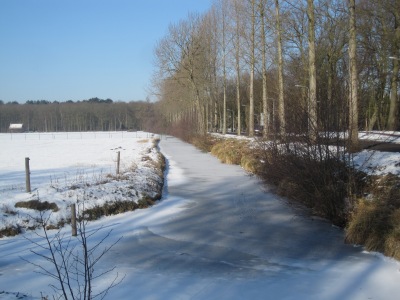
the frozen canal


making a mark


snow in the woods


the lonely bird


frozen canal converted into an ice skating rink

and the migratory birds


up above the snowy landscape…


frozen sea in Almere


These are some special pictures of the historic city of Leiden in the Netherlands. Pictures were clicked and sent by our friend Y and his betterhalf. A very special thanks to them for these exclusive pictures of the first feel of snow!
 

Some details of the city Leiden –


The city is famous for its almshouses, university, museums and glorious history. The spirit of the Golden Age lives on here, a place where Rembrandt was born and inspired so many other influential painters. By the end of the 15th century Leiden was the largest city in the county of Holland.

In 1575, Leiden had the distinction of becoming the first city in the northern Netherlands to have a university. Legend has it that the university was a reward for the heroic resistance to the Spanish occupation.

Nowadays, the restored historic city centre is an especially pleasant place to live. With all of its monuments, museums, ancient alleyways, canals and moats, Leiden also continues to attract an increasing number of tourists and day visitors who appreciate the city’s charms. – taken from http://portal.leiden.nl/en/tourism_leisure/discover/about_the_city


Leiden is a quite Dutch renaissance town situated on a tributary of the river Rhine. The river represented the Northern frontier of the Roman Empire and some old Roman fortifications have been excavated nearby. Leiden was one of the first places where one could actually bridge the Rhine.  http://hum.leiden.edu/history/eu-studies/about/about-leiden.html


nature’s own beauty


apple trees in disguise


pictures of frozen river rhine…


rhine in its normal flow


Appeltaart/Appelgebak – Apple Pie
  
Now, having started relishing the dutch snow…and the supplementary cold weather… why not try something special and dutchy.. I took out this book – ‘Dutch cooking today’ -that one of our friends had gifted us. This book combines traditional recipes with modern dutch food consisting of sauces, cakes, snacks, soups, one-pan dishes, main courses and many more. After a quick search, I decided to try the Dutch Apple Pie which is called appeltaatrt or appelgebak in dutch.


English apple pie recipes go back to the 14th century. The first printed apple pie recipe was by Geoffrey Chaucer in 1381.

Dutch apple pie recipes also go back centuries. Dutch apple pie recipes usually call for cinnamon and lemon juice to be added to the pie. The first recipes probably appeared in the late 15th century or early 16th century. http://wanttoknowit.com/who-invented-apple-pie/


The subtle flavour of cinnamon and soaked raisins with apples makes this pie a simple yet superb dessert.  It is usually served with vanilla saus in restaurants or had cold with ice-cream or cream (slagroom in dutch) topping.


My version of Dutch Apple Pie – Whole Wheat (no butter, no eggs) Apple Pie


I have made some minor changes in the pie crust. As usual, all-purpose flour is substituted with wheat flour; butter is substituted with cooking oil; egg has been avoided and yoghurt is added in its place. So, this can also be regarded as a low-fat pie..(hopefully)! Though, I have not researched on the fat value of this pie, reduction of all-purpose flour and butter might lead to fewer calories in terms of fat.


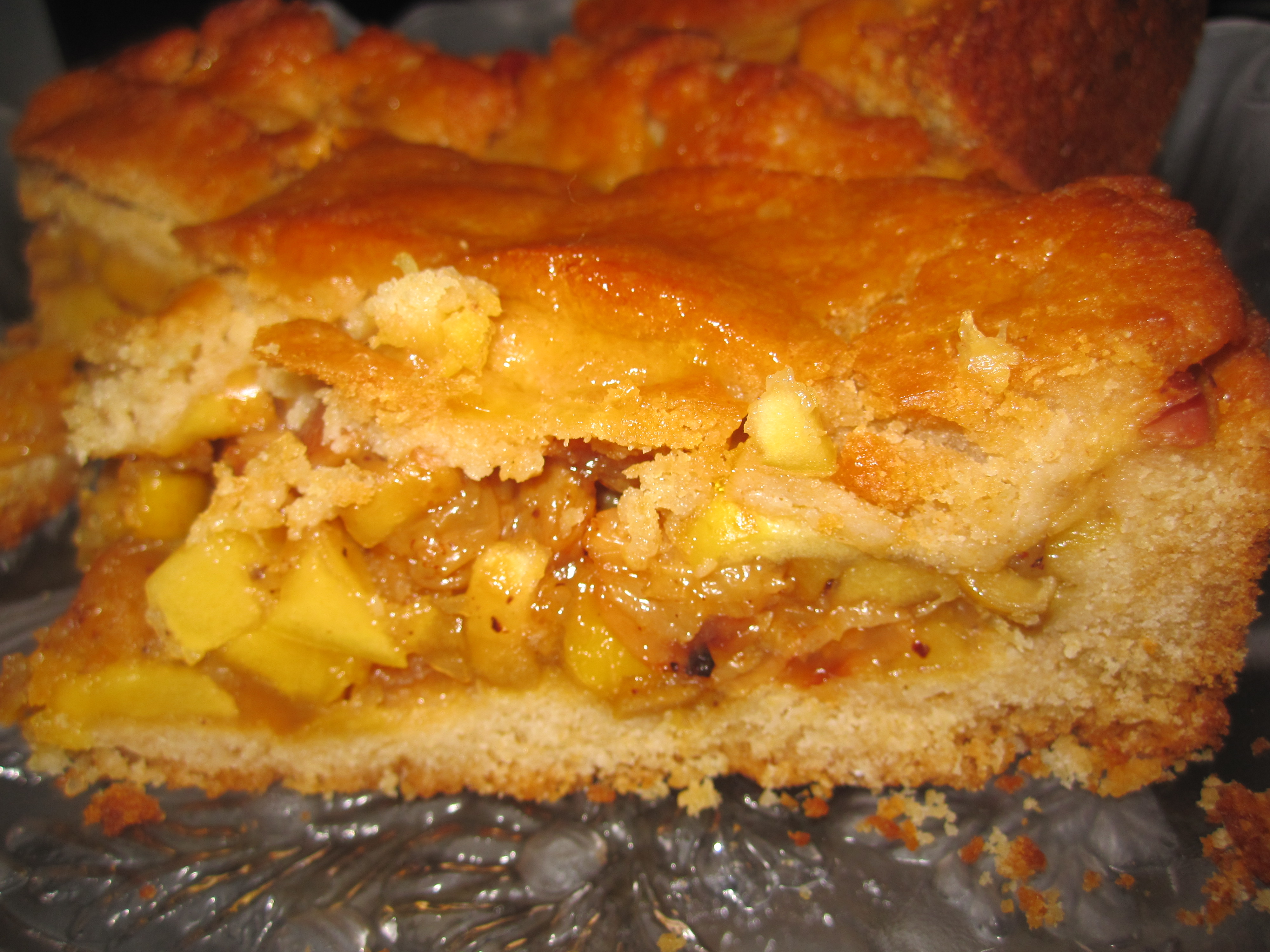
baked right


Pie Crust
  
Ingredients

  • wheat flour – 175 gms
  • sugar – 75 gms
  • cooking oil – 100 ml
  • yoghurt – 2 tbsp
  • salt – a pinch
  • baking soda – a pinch


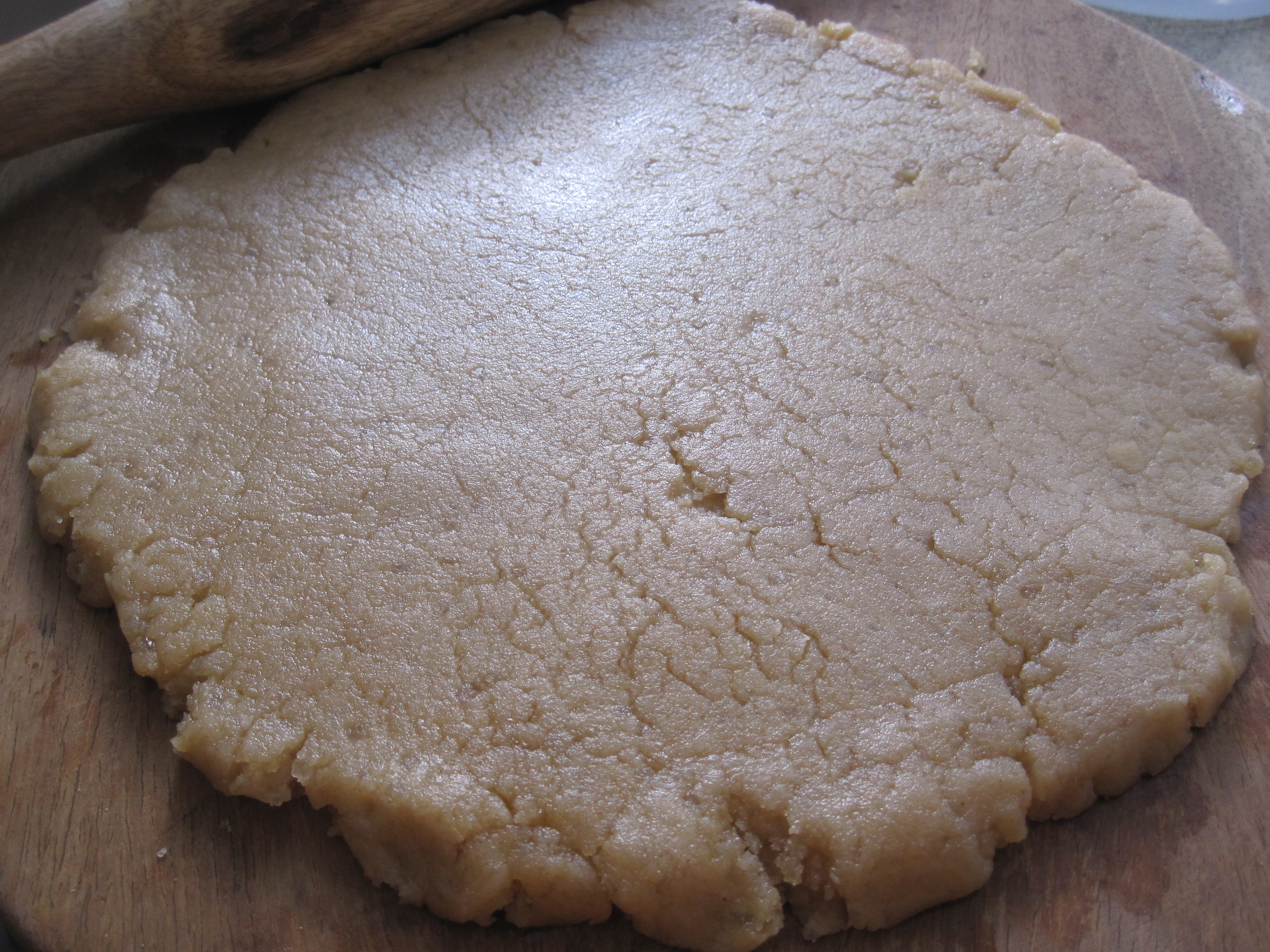
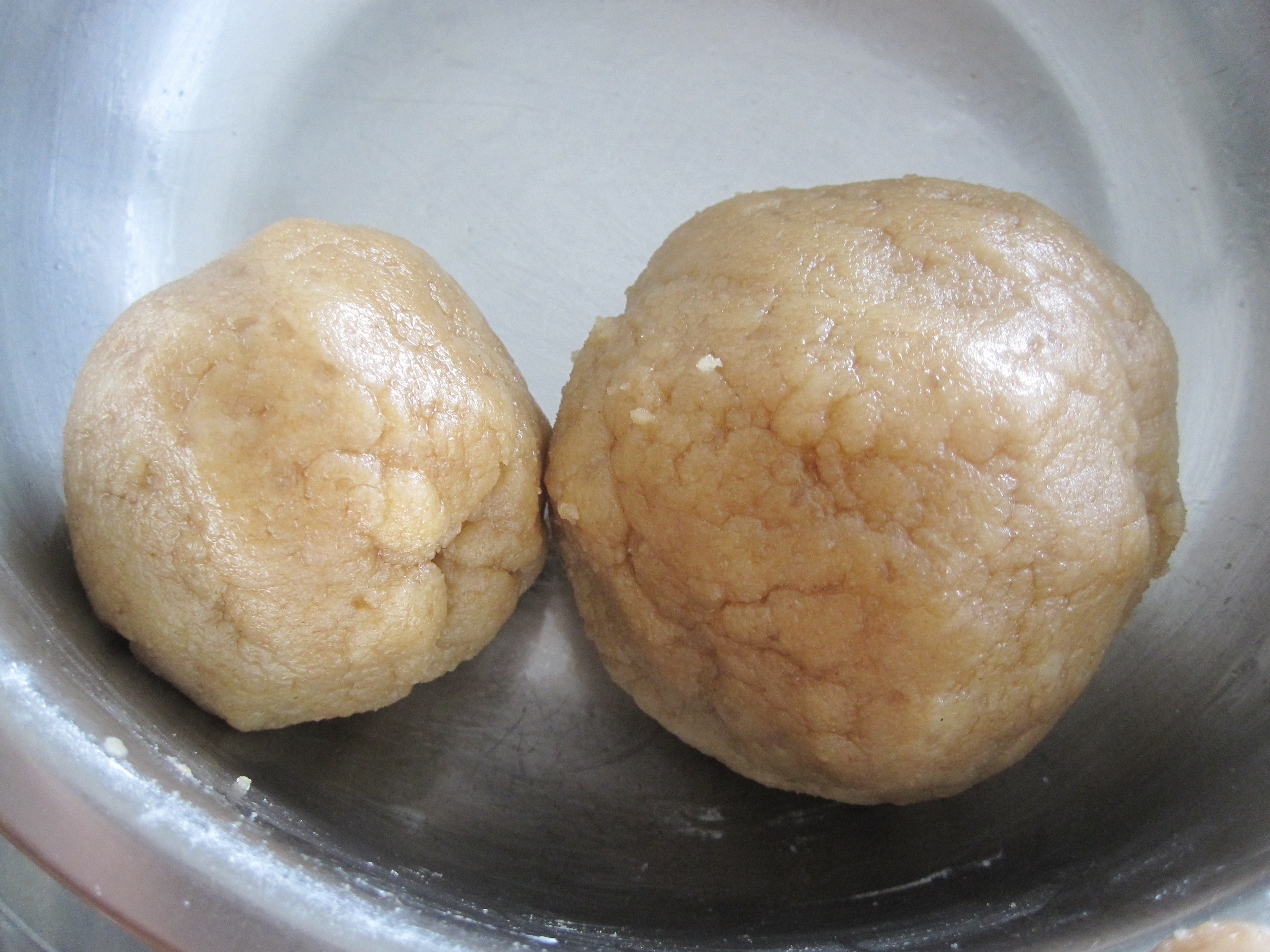
make two balls


for the pie crust


Filling
  
Ingredients

  • apple – 2 or 3 medium
  • raisins – 50 gms
  • orange juice – 50 ml
  • custard powder – 1 tbsp
  • sugar – 1 tbsp
  • cinnamon powder – 1 tsp
  • apricot jam – 2 tsp


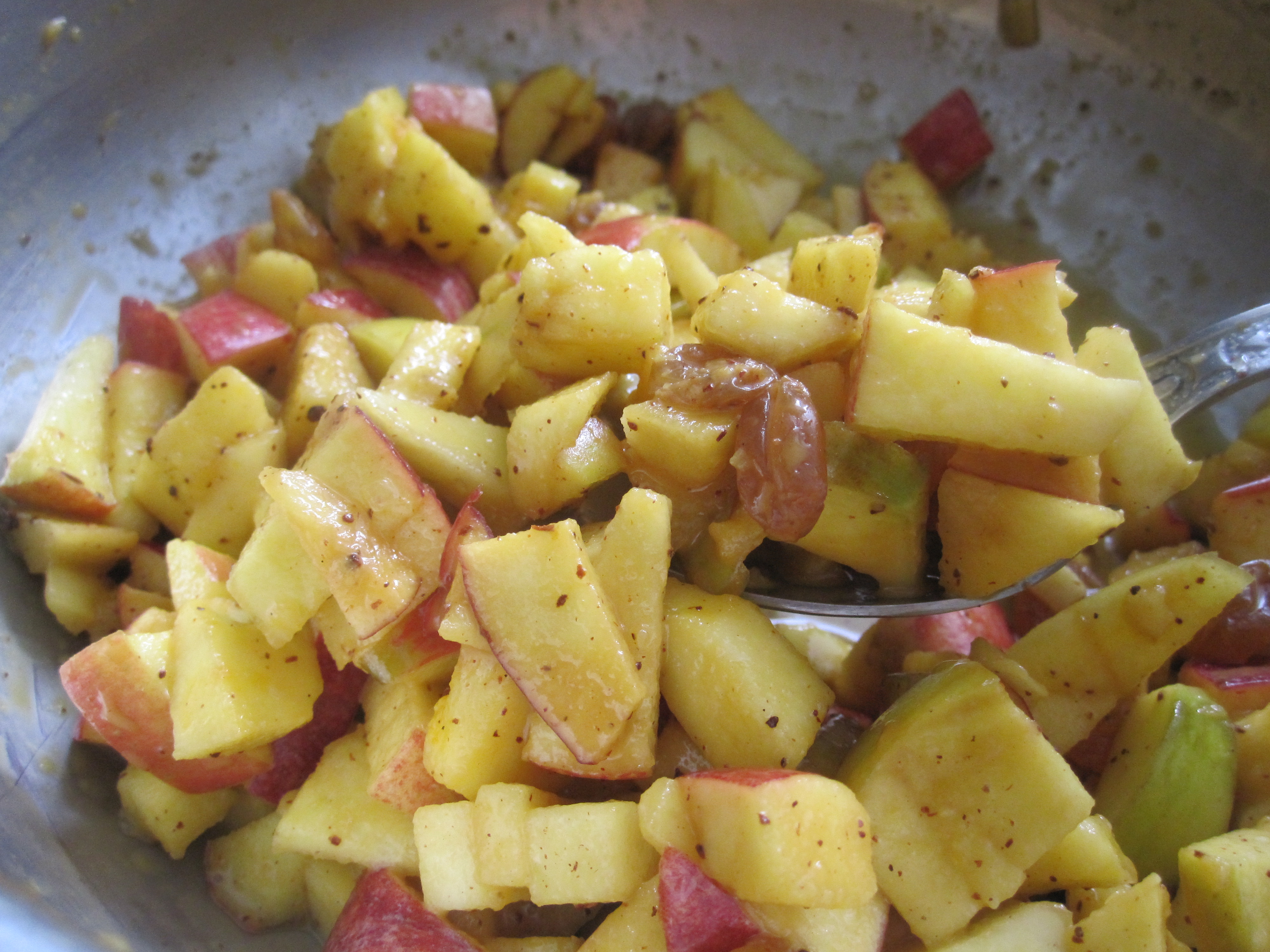
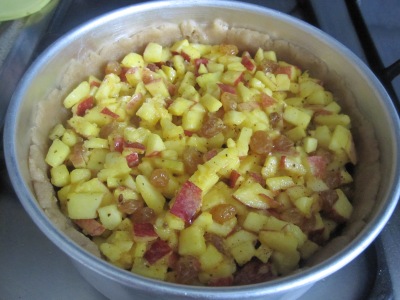
apple-raisin-cinnamon filling


Method of Preparation

  1. Sieve wheat flour and baking soda and keep aside
  2. Mix wheat flour, sugar, salt, oil and yoghurt in a bowl
  3. Make a dough. Normally all-purpose flour and butter would make a firm dough – but wheat flour, oil and yoghurt combines into a soft dough
  4. In a cake tin with removable bottom, press 2/3 of the dough over the bottom and the sides
  5. Refrigerate the tin and remaining dough  for about 10-15 minutes till set
  6. In a pan, bring raisins and orange juice to a boil and simmer until the liquid is evaporated
  7. Combine cut apples, raisins, custard powder, cinnamon powder and sugar and spread over the pastry base
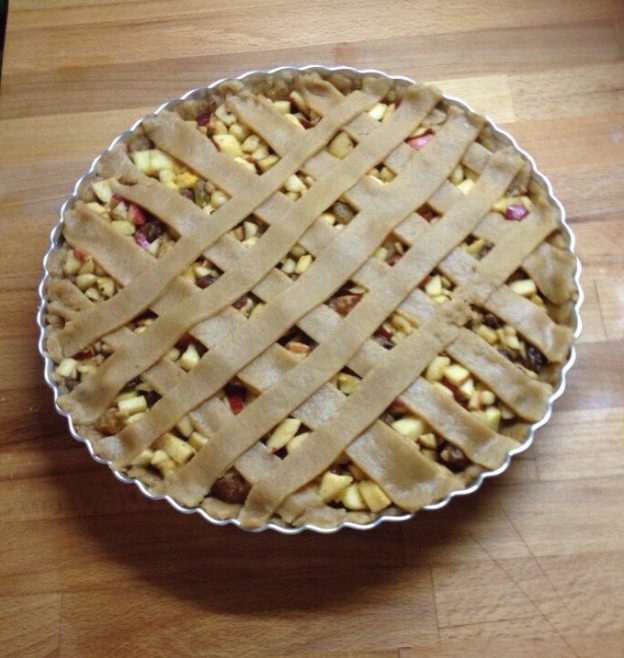
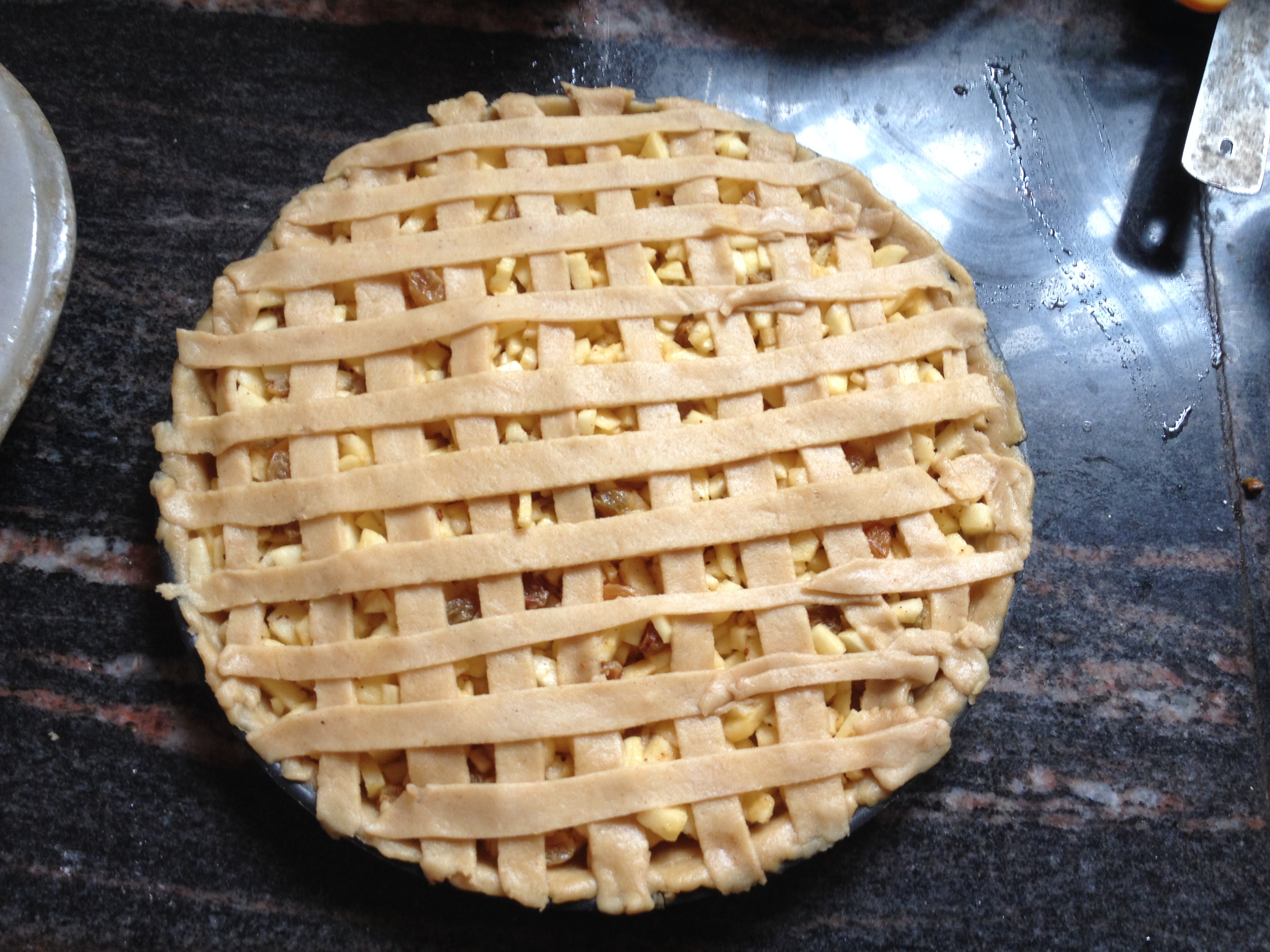
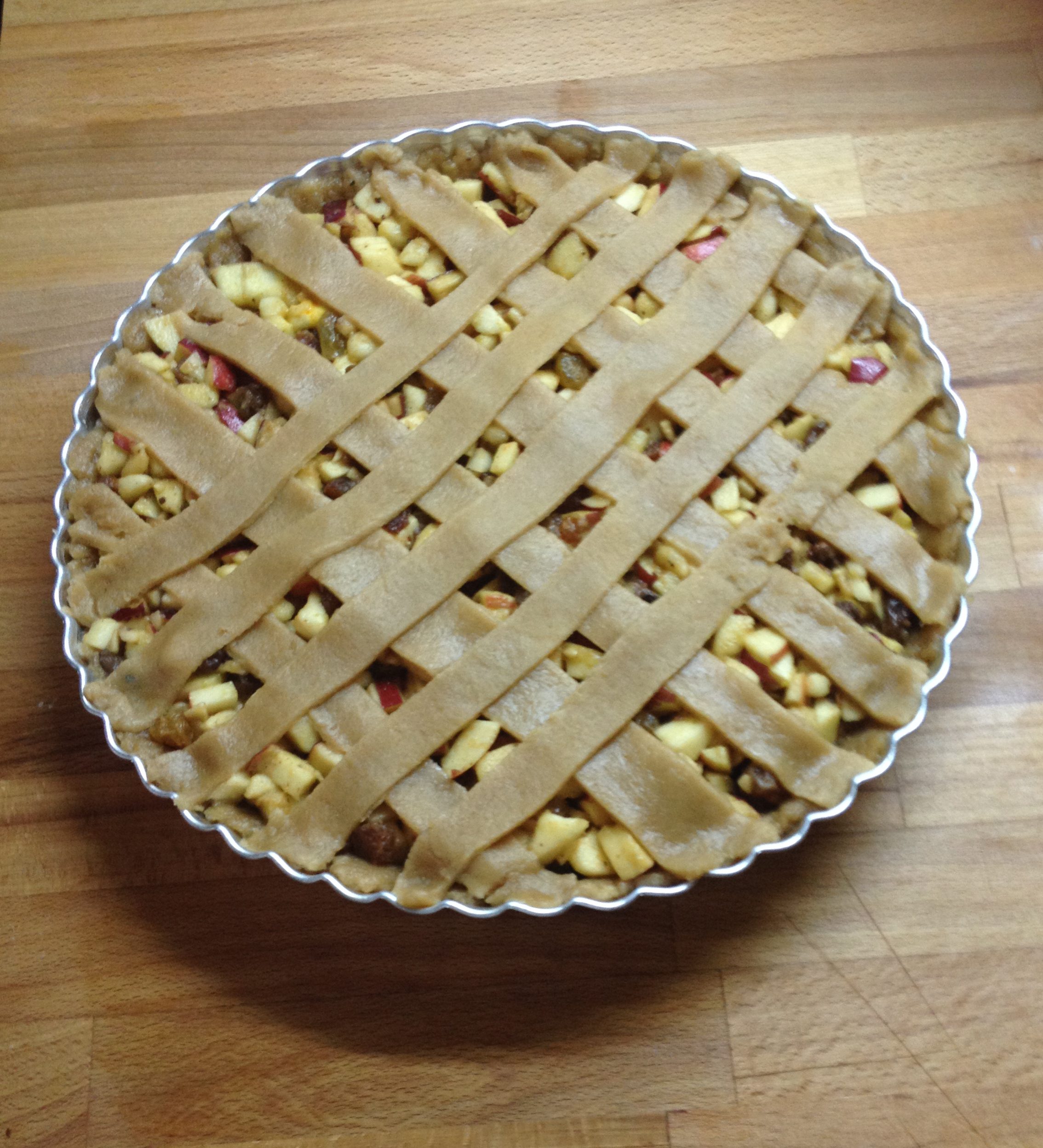
  8. Roll out of the rest of the pastry and cut into 1 cm strips. Arrange in a criss-cross pattern on top of the apple mixture, pressing the pastry  edges together
  9. Preheat oven at 175 degrees centigrade.
  10. Bake the apple pie at 175 degrees centigrade for about 45 minutes in the oven till golden brown. Check after nearly 40 minutes for the golden brown colour – too much browning might turn the crust hard
  11. Remove from the oven and glaze with apricot jam
  12. Allow to cool in the cake tin for 10 minutes
  13. Remove from the tin and serve.


filling inside the crust


ready to be baked (updated picture)


done!


Note:

  1. Caster sugar is preferred as it would dissolve easily. If sugar is not too fine, powder it in a blender
  2. Baking soda is a doubtful ingredient. It is just that i felt the lack of egg might result in a harder base especially with wheat flour. Hence, baking soda is added. One can try without baking soda and let me know the result too
  3. Instead of pressing the dough in the cake tin, dough has been rolled into a chapati and pressed in the tin
  4. The apricot jam spread on the baked pie gives a fine glow to the pie
  5. The original recipe mentions apples without skin – the pain of removing skin has been avoided – and doesn’t make much difference in taste too.

goodness of apple